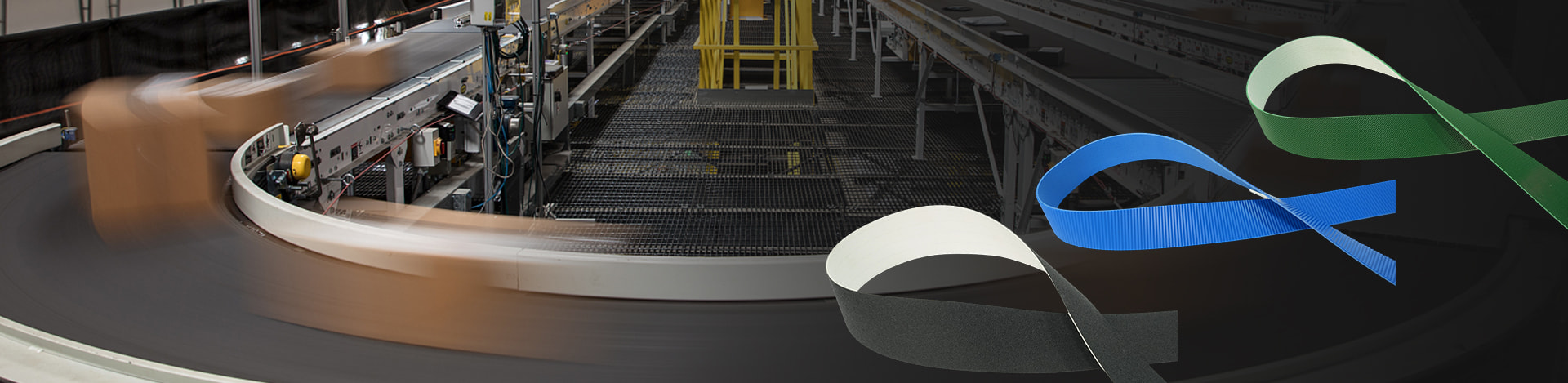
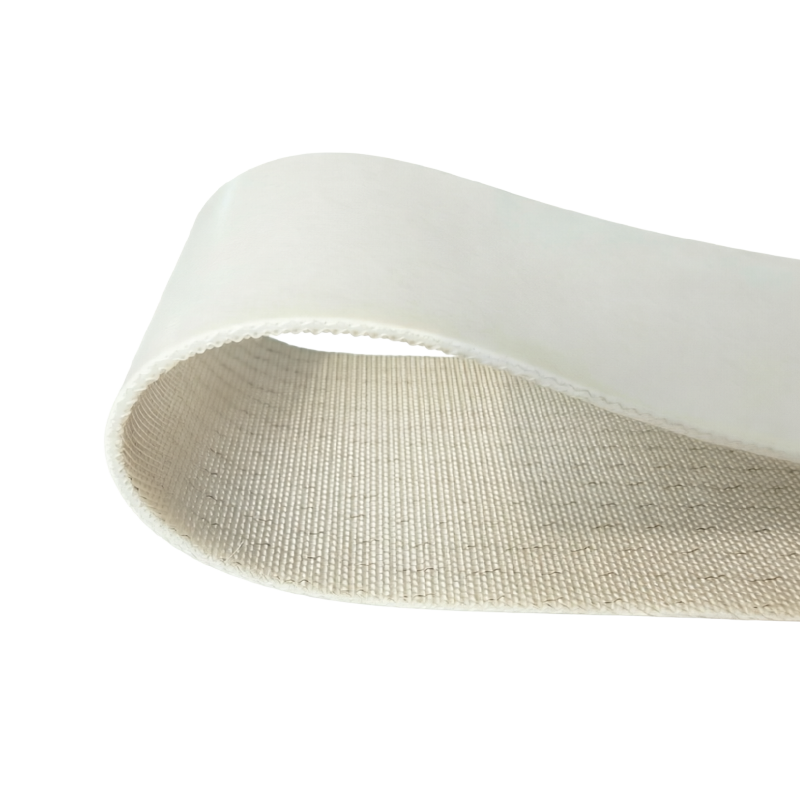
The silicone conveyor belt is a specialized industrial belt designed for extreme operating environments or conditions requiring high levels of hygiene. Constructed by bonding modified silicone rubber with a high-strength fabric reinforcement layer, it perfectly combines the unique chemical stability of silicone with the tensile strength of the fabric. These belts play a vital role in food processing, pharmaceutical manufacturing, the transport of highly adhesive materials, and automated production lines subject to fluctuating high and low temperatures.
Key Features and Advantages
Exceptional Temperature Resistance: With outstanding thermal stability, these belts operate continuously over temperature ranges far exceeding those of standard PVC or PU belts. Whether exposed to the high heat of baking lines or the extreme cold of freezing tunnels, the belt retains its elasticity and mechanical strength, resisting aging and cracking.
Superior Non-Stick and Release Properties: Silicone naturally possesses very low surface energy. It offers excellent release performance for highly adhesive materials—such as syrup, dough, hot-melt adhesives, and semi-finished rubber products—ensuring smooth transport and clean detachment, thereby significantly boosting the efficiency of automated, continuous production lines.
Strict Material Safety and Hygiene: Silicone rubber is non-toxic, odorless, and chemically inert, and it does not easily harbor bacteria; consequently, these products typically meet major international safety standards for food and pharmaceutical grades. They do not contaminate materials with odors or chemical residues during transport and allow for highly efficient cleaning and disinfection.
Excellent Chemical and Weather Resistance: The belts offer outstanding resistance to common oils, acidic or alkaline cleaning agents, and industrial chemicals. They also exhibit excellent resistance to ozone and UV radiation, ensuring no significant surface degradation occurs even during prolonged exposure in complex industrial environments or areas with high light exposure.
Application Areas
Food and Baking Industry: Chocolate cooling lines, confectionery manufacturing, pastry forming, and the transport of products during high-temperature baking.
Pharmaceuticals and Fine Chemicals: Pharmaceutical packaging, powder transport, and the transfer of materials requiring stringent hygiene standards.
High-Adhesion Material Processing: Automated transport of semi-finished tire rubber, adhesive products, and chemical raw materials.


 EN
EN
 English