

 EN
EN
 English
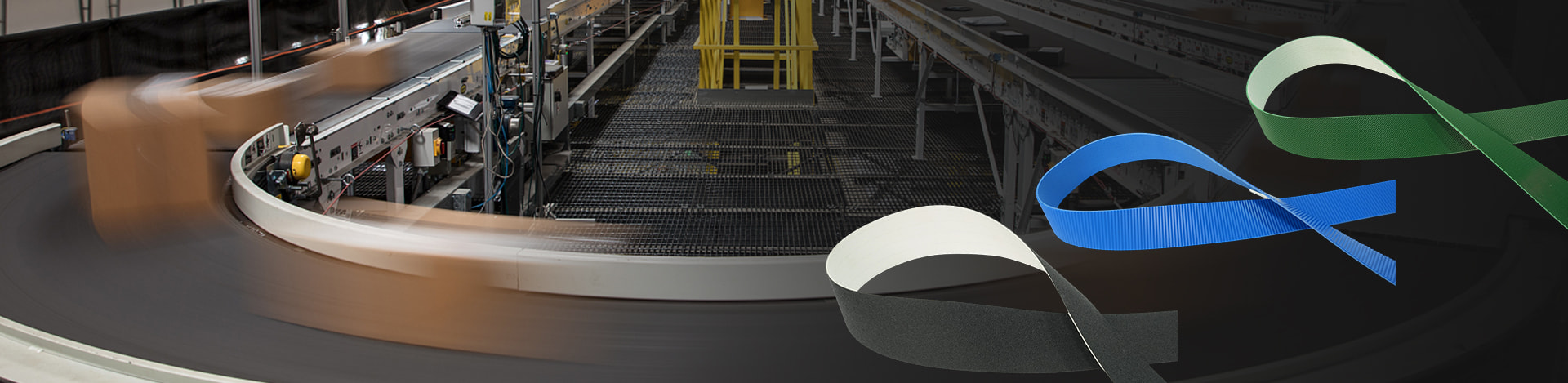
Flat homogeneous conveyor belt
Home / Products / Homogeneous conveyor belt / Flat homogeneous conveyor belt

Home / Products / Homogeneous conveyor belt / Flat homogeneous conveyor belt
information to be updated
With the mature application of material technologies such as polymer modification, aramid reinforcement and nano-reinforcement, the product structure of China's industrial belt industry continues to a...
READ MOREThe refined upgrading of e-commerce fulfillment systems and third-party logistics networks has expanded investment in automated sorting and warehouse conveying systems. High-speed, low-noise, wear-res...
READ MORERising automation in the food, beverage and packaging industry, combined with stricter global food safety compliance requirements, is driving industrial conveyor belts to upgrade toward higher perform...
READ MOREAs manufacturing capacity in new energy sectors such as photovoltaics and lithium batteries continues to expand, demand for high-precision, high-stability industrial power transmission and conveying p...
READ MORE

+86-513-8633-0688
xinbex-js@xinbex.com
No. 152 Nanhai Road, Sanyu Town, Tongzhou District, Nantong City, Jiangsu Province, P.R.China
Copyright © XINBEX Belting (Jiangsu) Co., Ltd. Rights Reserved.
