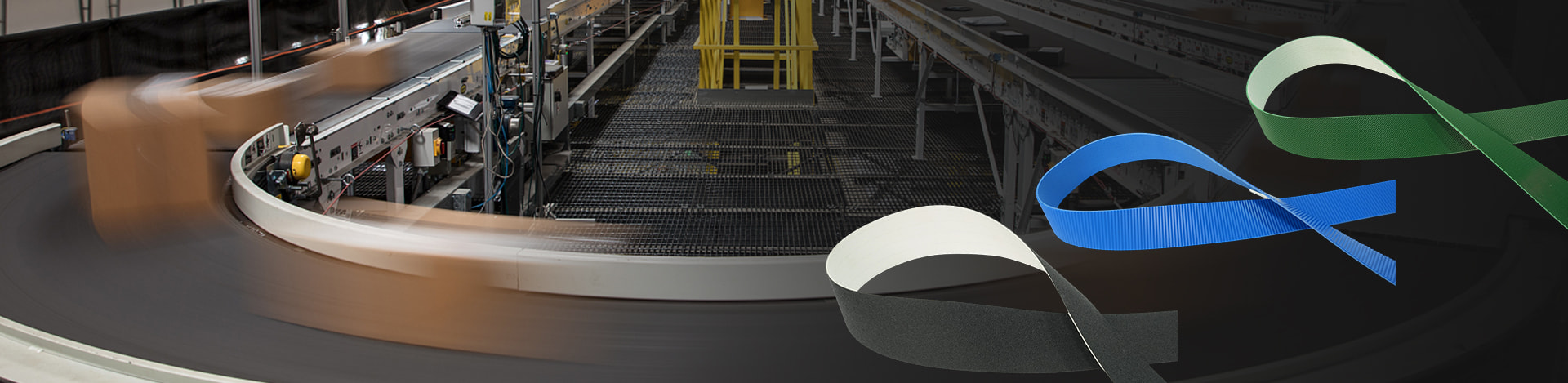
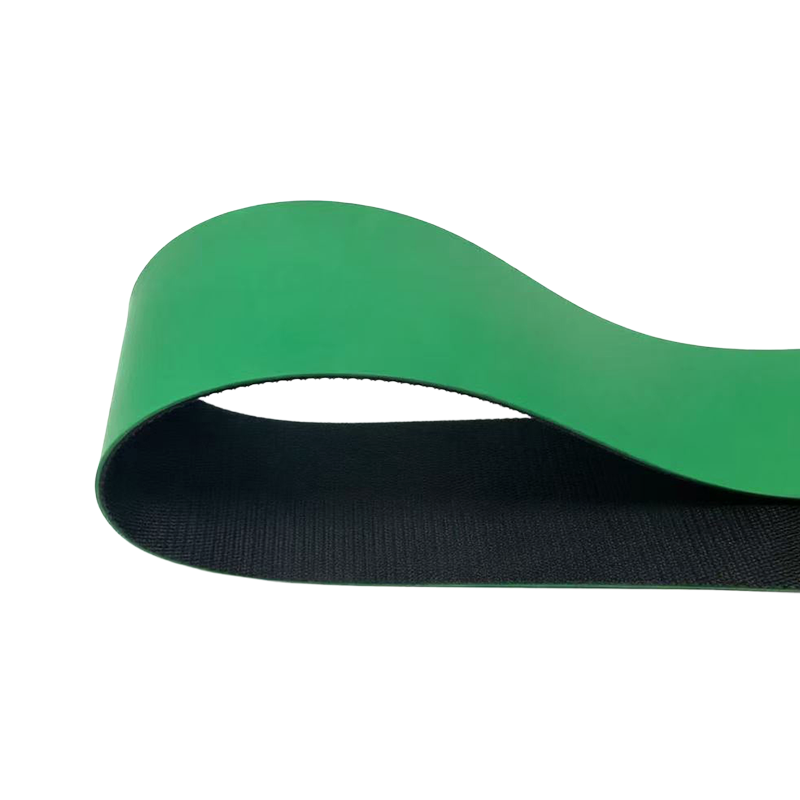
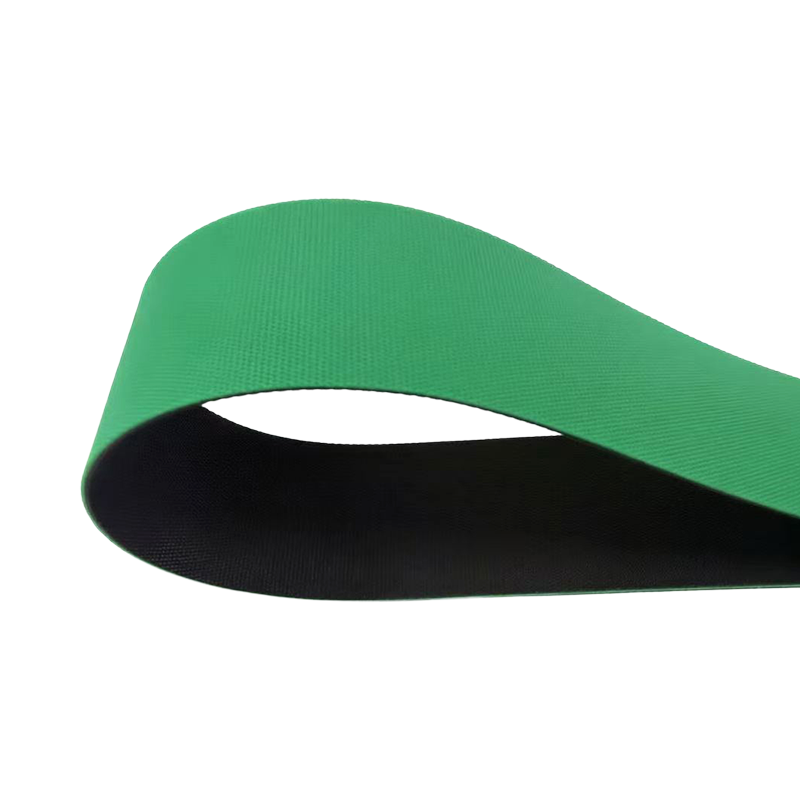
In the field of modern industrial power transmission and conveying, elastic belts are increasingly becoming core components in automation equipment, serving as efficient transmission elements that require no external tensioning devices. Manufactured using specialized processes and polymer materials—such as thermoplastic polyurethane (TPU) or synthetic rubber—these belts offer excellent elastic recovery, wear resistance, and fatigue strength. By maintaining constant tension through the deformation of the material itself, they eliminate the need for traditional tensioning pulleys or adjustment bolts; this simplifies mechanical structures and reduces daily maintenance costs, making them widely applicable in automated production lines across sectors such as logistics conveying, electronics manufacturing, food processing, and light industrial machinery.
Core Characteristics and Technical Advantages
Self-Tensioning and Structural Simplification
Leveraging the material's high elastic modulus, the belt is pre-stretched to a specific ratio during installation, allowing it to maintain stable tension over long periods of operation. This eliminates the tensioning pulleys, sliders, and adjustment mechanisms found in traditional systems, resulting in a more compact mechanical design while reducing the risk of slackness caused by vibration or wear.
Material Versatility and Adaptability
Two primary material options are typically available to meet diverse operating requirements:
TPU (Thermoplastic Polyurethane) Elastic Belts: These offer exceptional tear and wear resistance, as well as resistance to oils and chemicals. With adjustable surface smoothness and hardness, they are easy to clean and maintain, making them ideal for environments requiring high cleanliness standards, such as electronics, medical applications, and food conveying (FDA compliant).
Rubber Elastic Belts: Leveraging the properties of synthetic rubber, these belts provide a wider operating temperature range, superior grip/friction, and excellent shock absorption. They demonstrate greater stability under heavy loads, high-speed operation, or in traditional heavy-duty industrial environments.
Efficient Shock Absorption and Low-Noise Operation
The viscoelastic nature of the polymer materials provides the belt with excellent damping characteristics. During equipment startup, braking, or sudden load changes, the belt effectively absorbs system shocks and reduces mechanical vibration. This significantly lowers operating noise and extends the service life of drive components such as motors and bearings.
Maintenance-Free and Highly Reliable
Eliminating issues such as tensioner failure or improper manual adjustment, the system does away with the tedious tasks of periodic tensioning and lubrication. Advanced material composition ensures excellent resistance to flex fatigue, maintaining consistent and reliable power transmission even under demanding operating conditions—such as small pulley diameters or reverse bending.


 EN
EN
 English