

 en
 English
 русский
 Español
 عربى
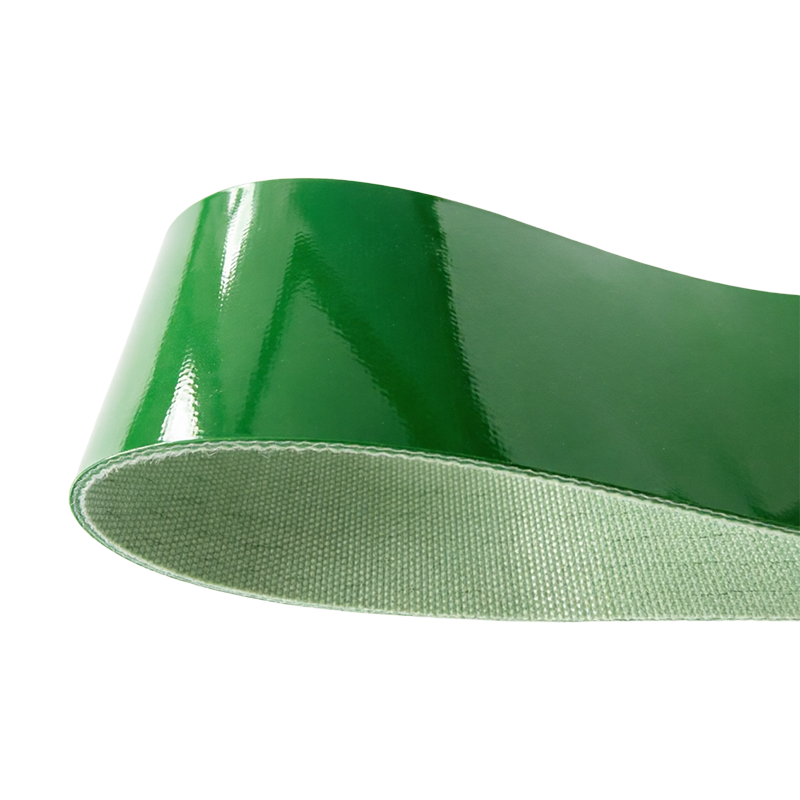
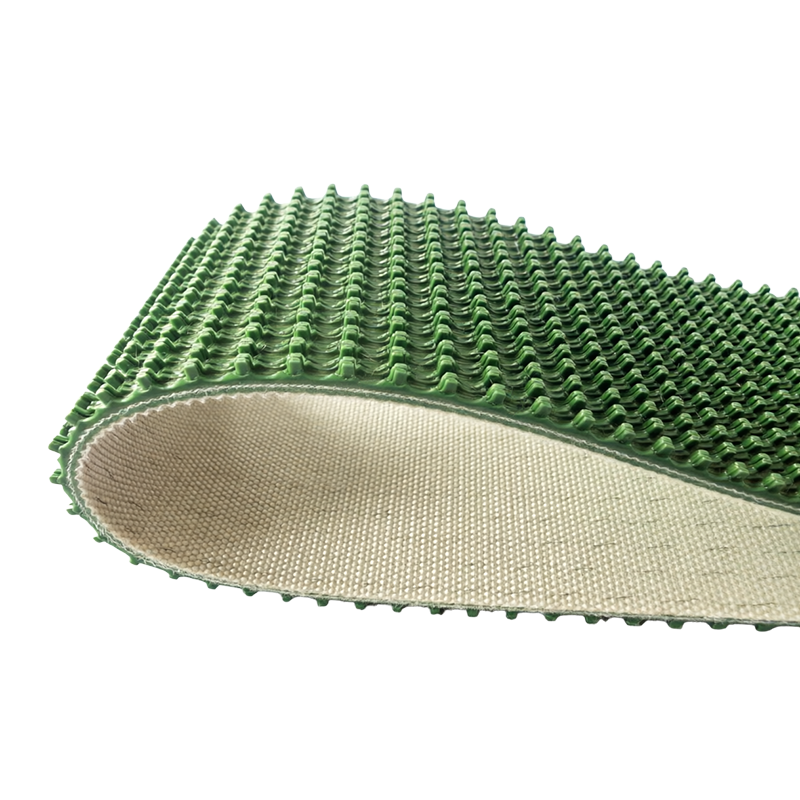
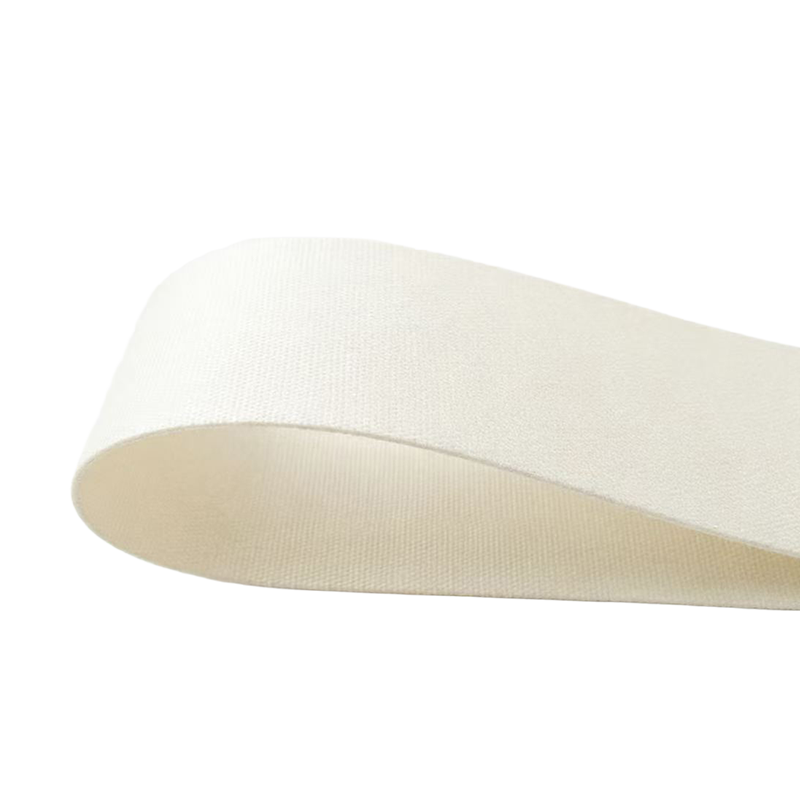
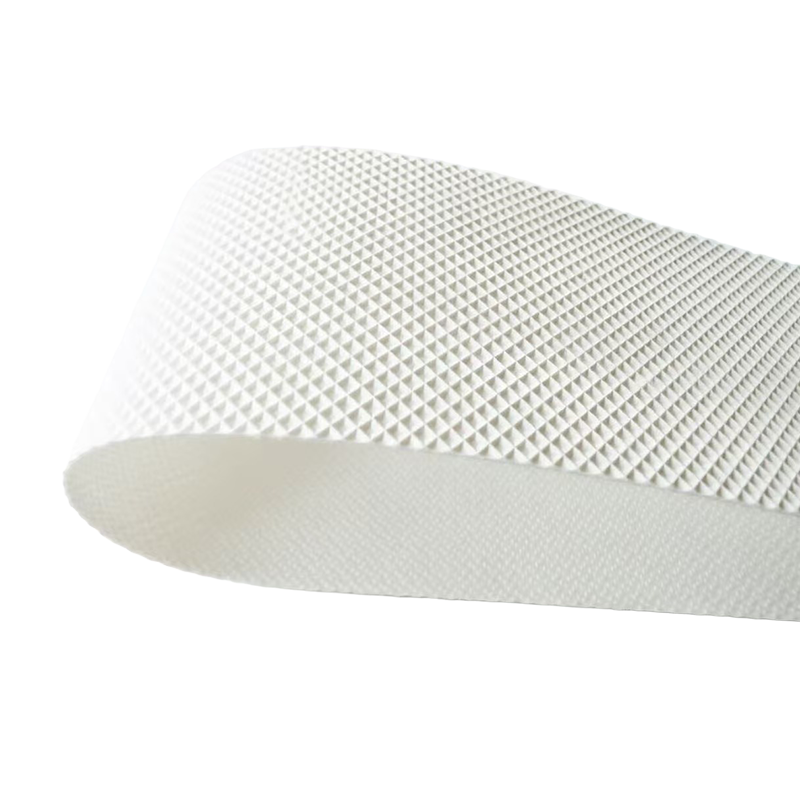
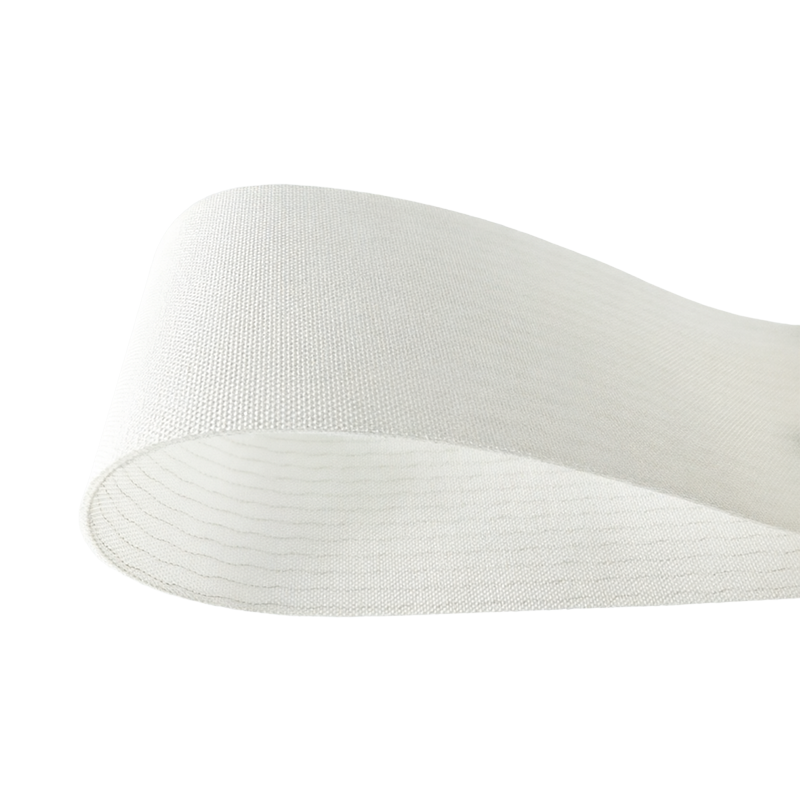
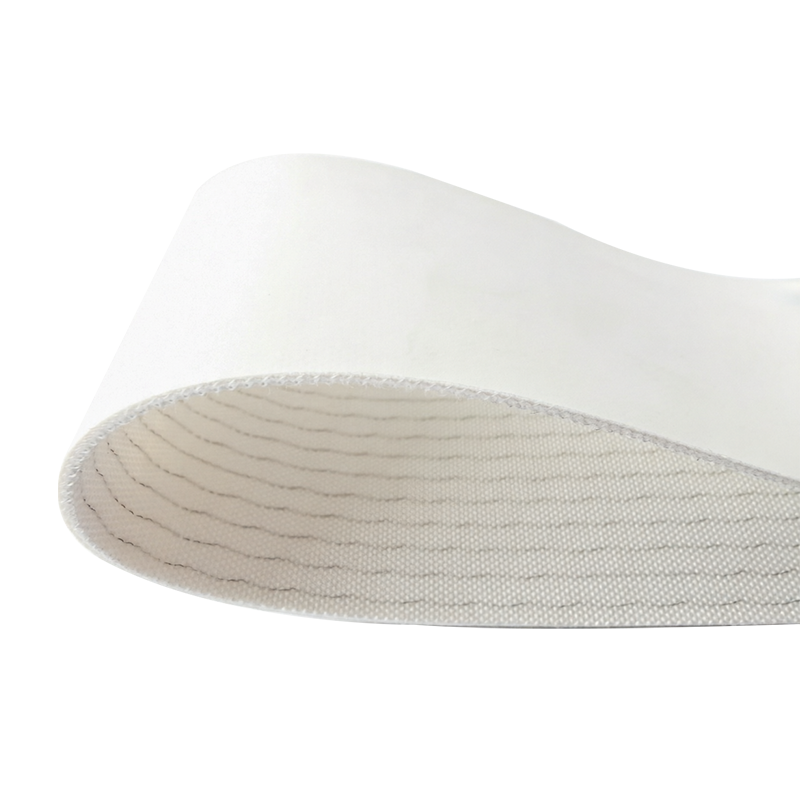
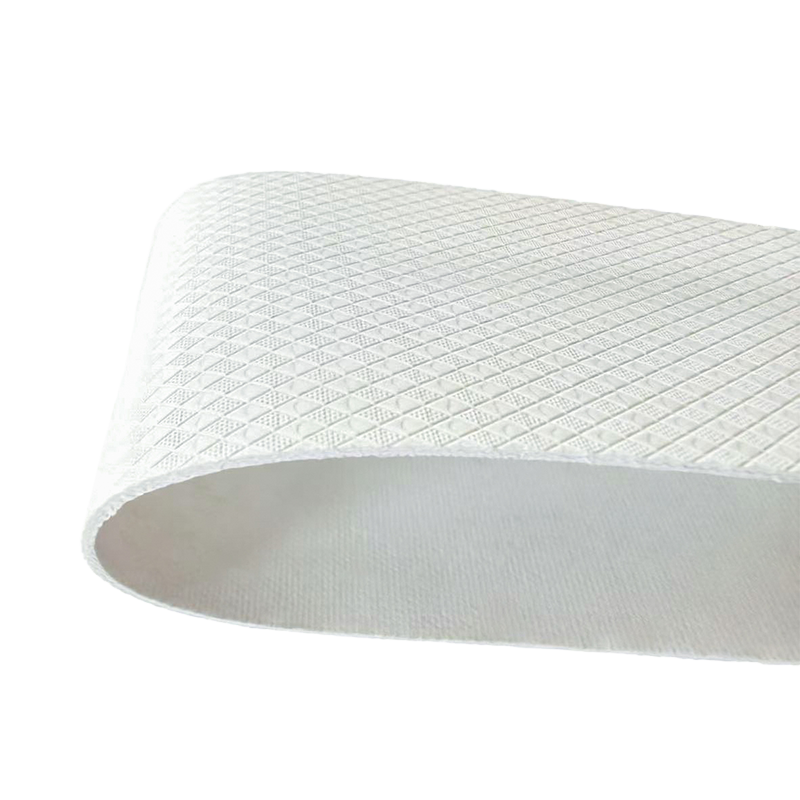
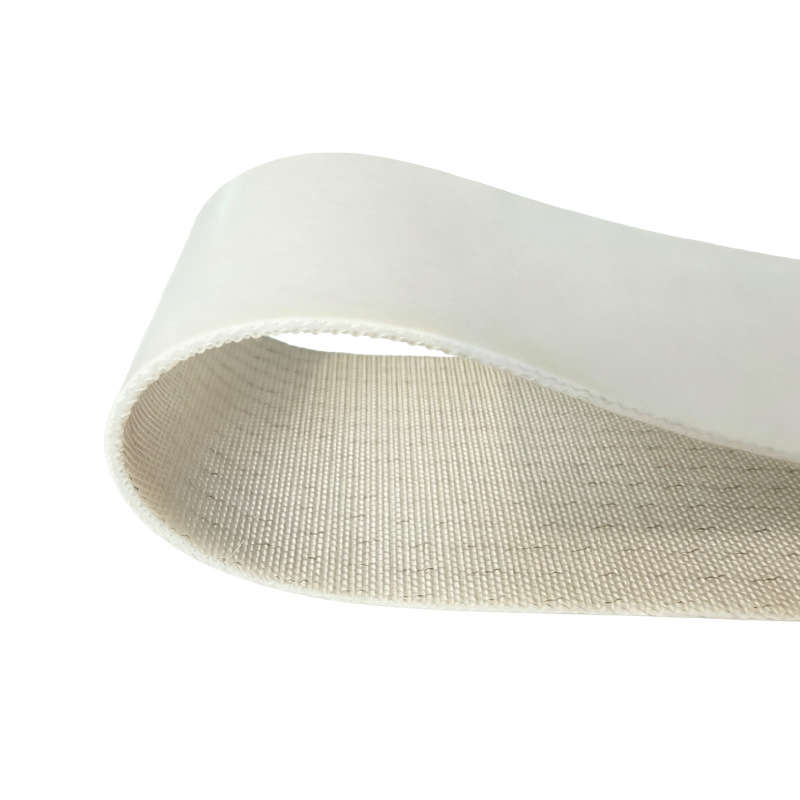
What a Flat Transmission Belt Does and When It Is the Right Choice A flat transmission belt is the best choice when you need smooth, quiet, high-speed power transfer between two shafts that are far apart, using plain pulleys without groove...
READ MORE
Product Category
Flat Conveyor Belt Manufacturer
About XINBEX
XINBEX Belting (Jiangsu) Co., Ltd.
As China Flat Conveyor Belt Manufacturer and Flat Conveyor Belt Supplier, XINBEX Founded in 1998, is a professional provider of industrial belt solutions integrating R&D, manufacturing and service. With production bases in Xiamen and Nantong, the company operates multiple advanced production lines and a nationwide sales and service network, ensuring stable supply and responsive support.
Our product range includes PVC, PU, rubber and silicone conveyor belts as well as transmission belts, widely used in food processing, logistics, automotive, building materials, textile and new energy industries. With years of technical expertise and manufacturing experience, we deliver reliable solutions tailored to diverse applications.
News
-
-
What a Flat Conveyor Belt Is and Where It Works Best A flat conveyor belt is a continuous loop of fabric-reinforced or solid material that carries products on a smooth, uninterrupted surface between two or more pulleys. It is the most comm...
READ MORE -
Quick Answer: How to Choose Industrial Conveyor Belts The right industrial conveyor belts come from matching five factors: the material being carried, the load and belt speed, the operating temperature, the layout of the conveyor, and the...
READ MORE -
With the mature application of material technologies such as polymer modification, aramid reinforcement and nano-reinforcement, the product structure of China's industrial belt industry continues to advance toward the high-end. Conveyor bel...
READ MORE
Certificate of Honor
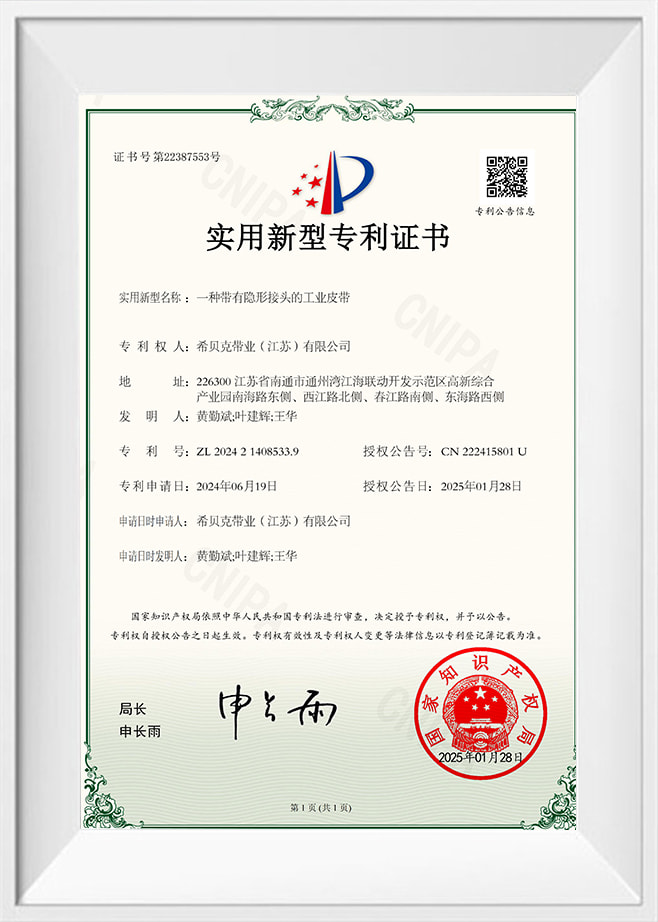
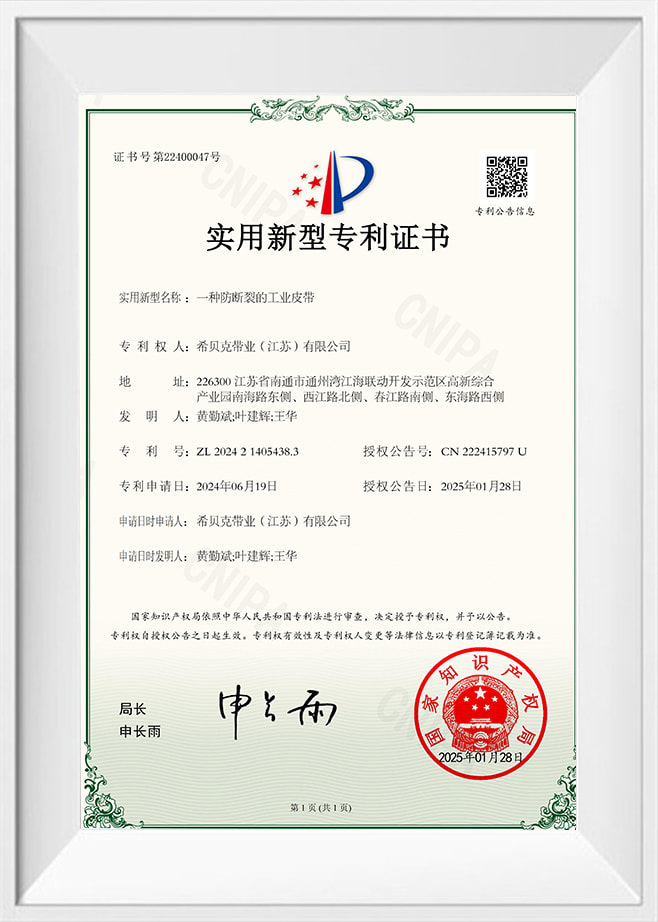
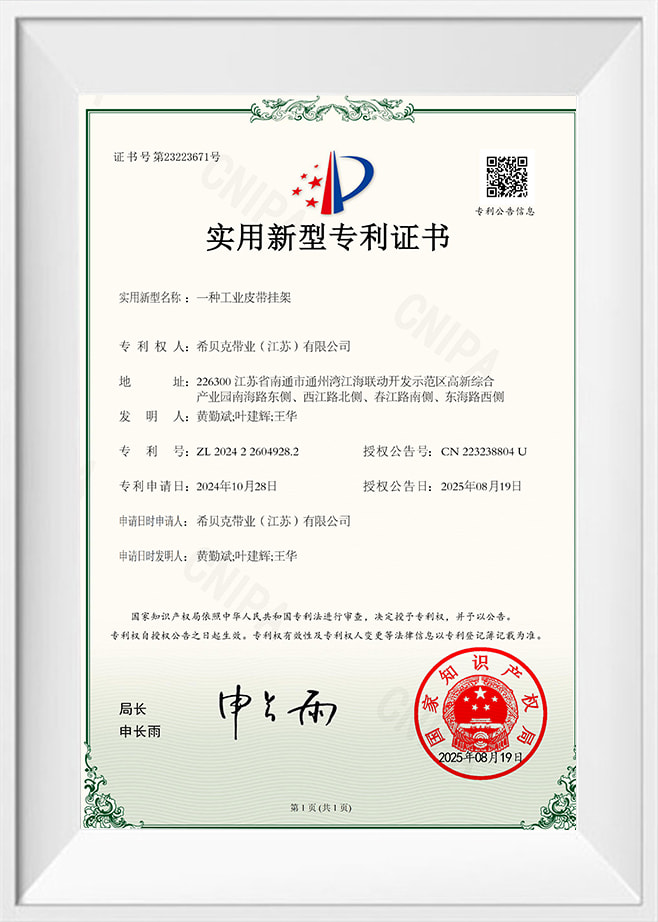
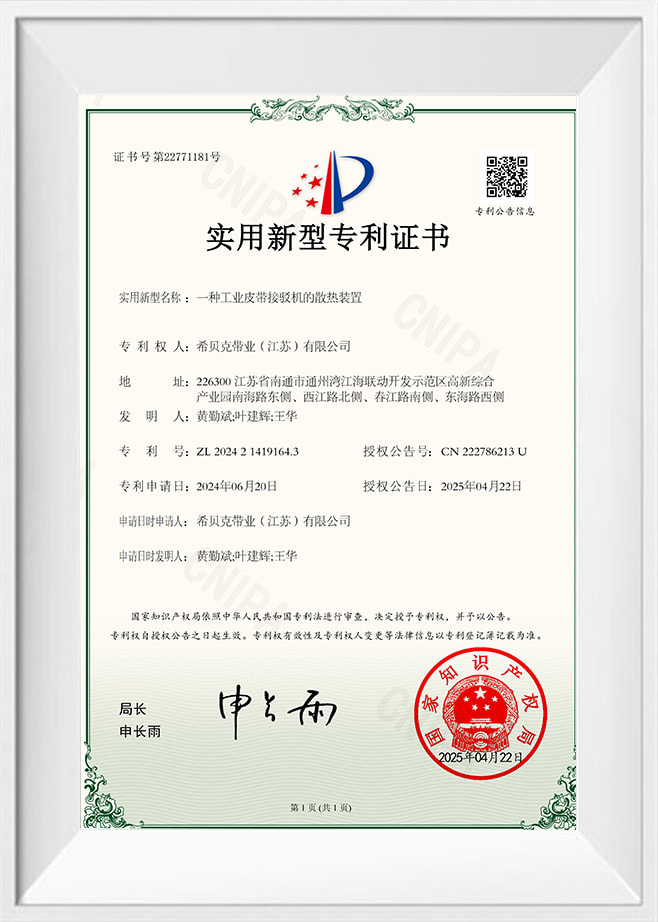
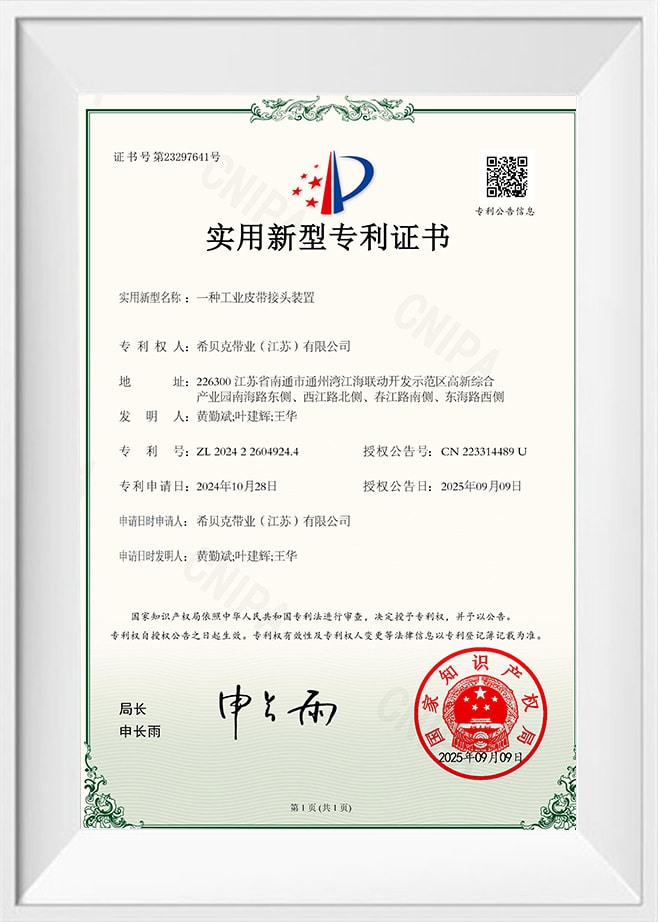
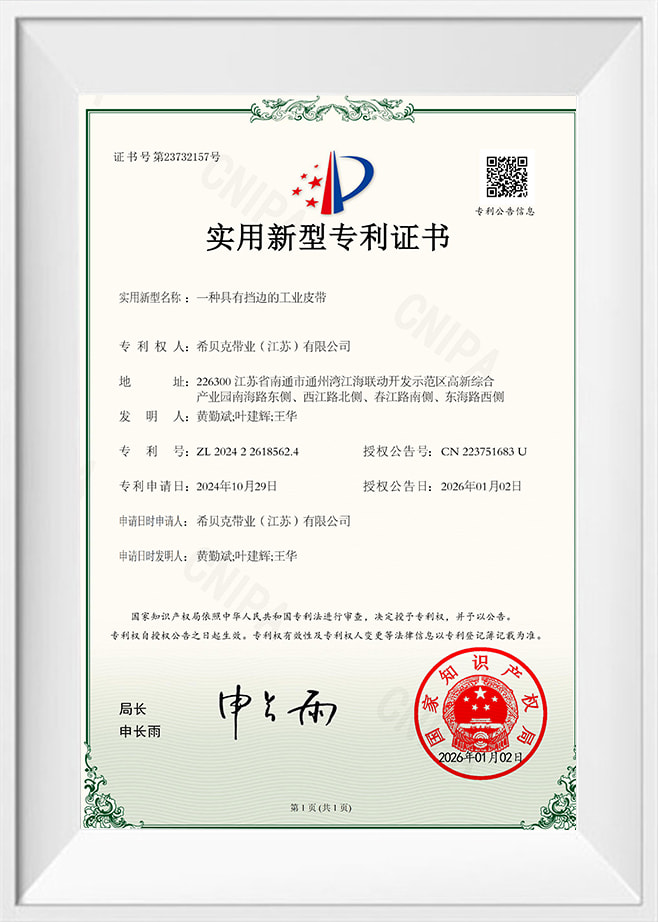
Industry Knowledge
XINBEX Belting (Jiangsu) Co., Ltd. manufactures flat conveyor belts for continuous material transport in food, logistics, automotive, textile, woodworking, packaging and new energy lines. Founded in 1998, we operate production bases in Xiamen and Nantong with multiple automated and semi-automated lines, from raw material processing to finished belt fabrication.
Our range covers PVC, PU, PE, silicone, rubber, high-performance and special flat belts, supplied as endless belts or open lengths with spliced joints. As a Flat Conveyor Belt Manufacturer, we configure each belt around the working point: conveyed material, pulley diameter, load, speed, operating temperature and cleaning regime.
Material Range and Where Each Belt Fits
Each flat conveyor belt is a composite of a high-strength fabric carcass and a functional polymer surface. The surface determines friction, release, chemical resistance and temperature limits; the carcass carries tensile load and controls stretch. We select both layers together so the belt matches the conveyor, not just the product.
PVC Conveyor Belt Manufacturer
General-purpose light-to-medium conveying: logistics sorting, packaging, woodworking and standard assembly. Glossy, matte and patterned surfaces, including diamond and grass embossing for grip.
PU Conveyor Belt Manufacturer
Food contact, oily or abrasive goods, and lines needing cut and wear resistance. Polyurethane surfaces suit bakery, meat, confectionery and precision component handling.
PE Conveyor Belt Manufacturer
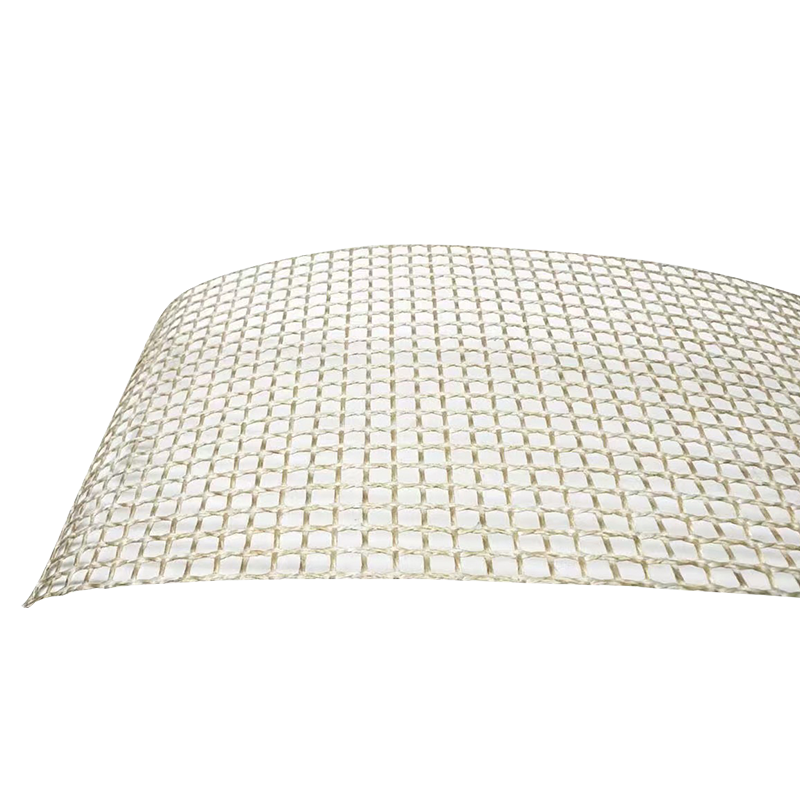
Chemical resistance, low friction and clean release in cold-chain and temperature-variable plants. Non-toxic polyolefin surface with interwoven fabric reinforcement.
Silicone Conveyor Belt Manufacturer
High-temperature baking, sticky material release and non-marking surfaces. White silicone grades suit food and heat-intensive processes.
Rubber Conveyor Belt Manufacturer
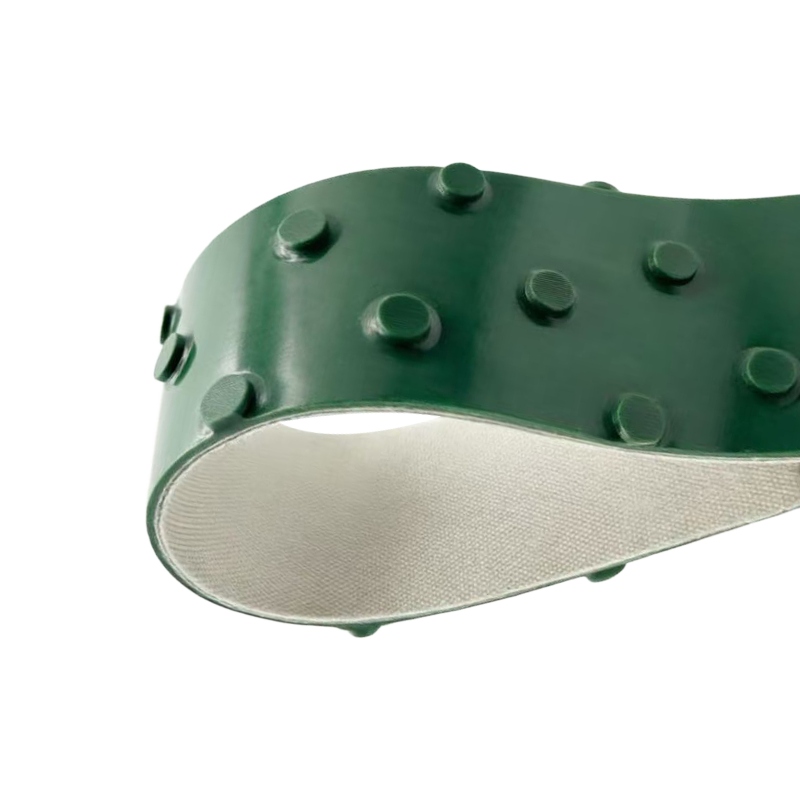
Heavy-duty impact, anti-slip and weather-resistant conveying. Raised-dot and patterned rubber surfaces for steep or wet conditions.
High-Performance Conveyor Belt Manufacturer
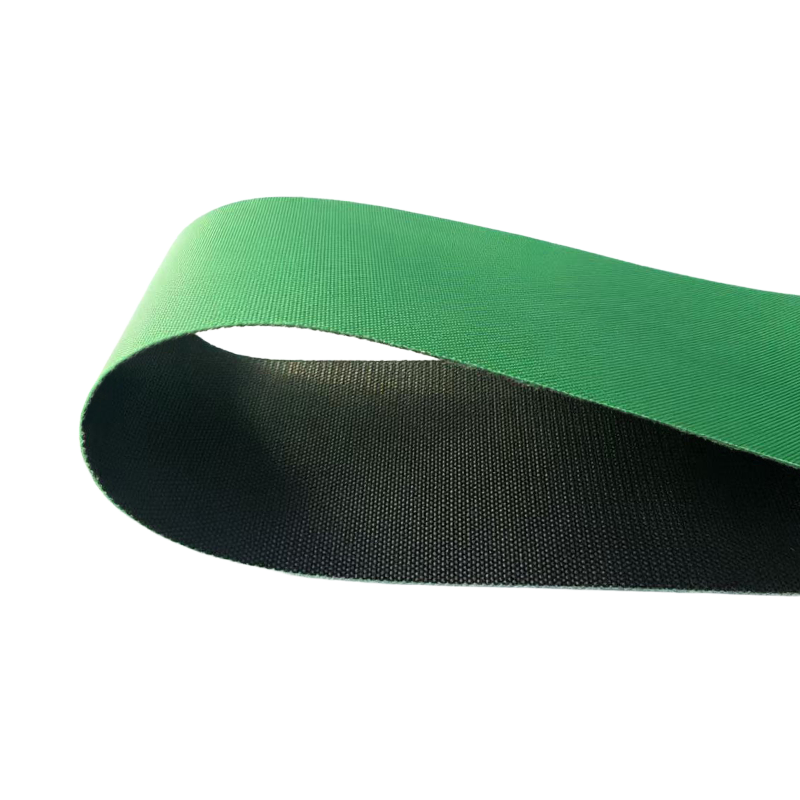
For high-speed, wear-intensive or specialty conditions where standard PVC or rubber belts reach their limit. Green-black wear-resistant compounds and engineered constructions.
Flat Conveyor and Transmission Belts from One Source
Alongside flat conveyor belts, we manufacture flat transmission belts and timing belts for power transmission. The same material knowledge and splicing discipline apply, so a line project can source conveying and drive belts together. See the full Industrial Belt Solutions Suppliers range for the complete portfolio, including Flat Transmission Belt Manufacturer products for high-speed drive applications.
Typical flat conveyor belt applications: food processing and baking lines, parcel and baggage handling, woodworking and board lines, textile and nonwoven transfer, automotive component assembly, stone and building-material handling, packaging and printing, photovoltaic and lithium-battery lines, tobacco processing, and fitness equipment.
Specifications That Define the Belt
A flat conveyor belt is specified by width, length, thickness, surface pattern and joint type. We confirm the pulley diameter, load per meter, line speed and ambient or process temperature before recommending a construction. The table below shows the configuration scope we quote most often.
| Parameter | Options / Scope | Application Note |
|---|---|---|
| Surface material | PVC, PU, PE, silicone, rubber, high-performance compounds | Food contact, oil, abrasion, temperature, release |
| Carcass / reinforcement | Polyester fabric, interwoven fabric, high-strength layers | Tensile load, transverse rigidity, low elongation |
| Surface pattern | Smooth, matte, glossy, diamond, grass, chocolate, raised-dot | Grip, release, incline, product marking |
| Fabrication | Cleats, guides, sidewalls, perforation, edge sealing | Incline, positioning, containment, tracking |
| Joint | Hot vulcanized, mechanical, concealed joint | Endless belts, open lengths, easy replacement |
| Width and length | Cut to drawing; belts supplied endless or open | Conveyor frame, pulley center distance, take-up |
How We Build and Control Quality
Production follows a defined sequence: material preparation and mixing, belt forming by calendering or lamination, vulcanization and curing, surface patterning, fabrication such as cleats and sidewalls, splicing, then final inspection. In-house testing covers tensile strength, abrasion resistance, hardness and high/low temperature performance, with special property tests for chemical resistance and food-contact compliance where required.
1998 Founded; R&D and manufacturing since
2.5M m² Annual belt output
2 Production bases: Xiamen and Nantong
100 acres Facility area with in-house laboratory
Quality management, food-contact safety and environmental performance are supported by system certifications and industry qualifications, including ISO 9001. All product lines are manufactured to domestic and international industry standards, and we issue test data with the belt documentation so plant engineers can verify acceptance against the specification.
Installation, Splicing and Line Integration
We supply belts endless for fast installation or open for on-site splicing. Joint selection depends on belt type, pulley size and whether the conveyor can be opened. Hot vulcanized joints give a smooth, strong splice for demanding lines; mechanical joints allow quicker field replacement. For tracked conveyors, we match the guide profile to the pulley groove and frame.
- Pulley and bed data: minimum pulley diameter, support type (slider bed or rollers), take-up travel and belt tensioning method.
- Material data: product type, weight per item, temperature at the belt surface, oil or chemical exposure, and cleaning chemicals used.
- Line data: belt speed, throughput, incline angle, accumulation or indexing, and any static-dissipation requirement.
- Fabrication: cleat height and pitch, sidewall height, guide position, perforation pattern and edge sealing.
Maintenance, Spare Supply and Technical Support
Flat conveyor belts wear at the surface, at the joint and at the tracking edge. We support planned replacement with belt identification records, recommended spare lengths and splicing consumables. Our service scope includes on-site belt installation, splicing, maintenance and optimization support to reduce downtime during changeovers.
What We Need to Prepare Your Belt Proposal
Send the conveyor drawing or belt dimensions, the conveyed material and its temperature, the load per meter or item weight, line speed, pulley diameters, cleaning method and any food-contact or certification requirement. For replacement belts, include the existing belt marking, thickness and joint type. With these inputs we return a proposed construction, joint method, fabrication drawing and delivery scope for confirmation before production.
Frequently Asked Questions
What is the difference between PVC and PU flat conveyor belts?
PVC offers good elasticity and chemical stability at a cost-effective price for general conveying. PU provides higher abrasion and cut resistance and is preferred for food contact, oily products and demanding surfaces. We recommend based on the material being conveyed and the cleaning regime.
Can you supply belts with cleats, sidewalls or guides?
Yes. Our fabrication step covers cleats, guides, sidewalls, perforation and edge sealing. We need the cleat height and pitch, sidewall height and guide position, along with the conveyor drawing, so the profile clears the frame and pulleys.
How are the belts joined, and can they be installed on site?
We supply endless belts with hot vulcanized or concealed joints, or open belts for mechanical joining in the field. Our service team can attend site for installation and splicing where the project calls for it.
What belt data should be included in a replacement order?
Provide the belt width, overall length or center distance, thickness, surface pattern, joint type and any existing belt marking. A photo of the belt and conveyor, plus the pulley diameters, helps us match the original working point.
Do you support food-contact and high-temperature applications?
We manufacture PU, silicone and PE grades for food contact and temperature-sensitive processes, with certification documentation covering food-contact safety and quality management. The proposal states the selected grade and the temperature range confirmed for the application.
Can XINBEX supply large-volume and custom orders together?
Our Xiamen and Nantong production bases run multiple automated and semi-automated lines, allowing us to schedule bulk belt orders alongside smaller custom widths and fabrications. Distributors and conveyor system builders can combine standard stock sizes with project-specific belts in one supply plan.

APPLICATIONS
QUICK LINKS
PHONE
+86-513-8633-0688
EMAIL
xinbex-js@xinbex.com
ADDRESS
No. 152 Nanhai Road, Sanyu Town, Tongzhou District, Nantong City, Jiangsu Province, P.R.China
We have been good brand choice for numerous partners, look forward to
your join.
Copyright © XINBEX Belting (Jiangsu) Co., Ltd. Rights Reserved. OEM flat conveyor manufacturer Custom Flat Conveyor Belt Supplier
