en
 English
 русский
 Español
 عربى
Other Flat transmission belt Provider
Home / Products / Flat Transmission Belt / Other Flat transmission belt

Home / Products / Flat Transmission Belt / Other Flat transmission belt
What a Flat Transmission Belt Does and When It Is the Right Choice A flat transmission belt is the best choice when you need smooth, quiet, high-speed power transfer between two shafts that are far apart, using plain pulleys without grooves. It works by friction between the belt surface and the pul...
READ MOREWhat a Flat Conveyor Belt Is and Where It Works Best A flat conveyor belt is a continuous loop of fabric-reinforced or solid material that carries products on a smooth, uninterrupted surface between two or more pulleys. It is the most common belt format for light and medium loads on packaging lines...
READ MOREQuick Answer: How to Choose Industrial Conveyor Belts The right industrial conveyor belts come from matching five factors: the material being carried, the load and belt speed, the operating temperature, the layout of the conveyor, and the cleaning or hygiene rules of the site. Rubber fabric belts ...
READ MORE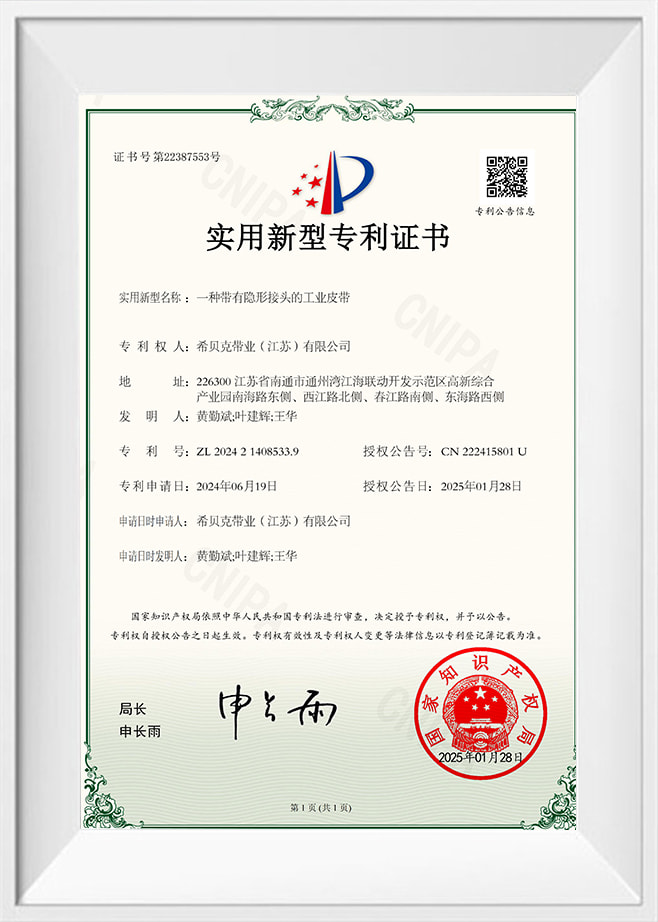
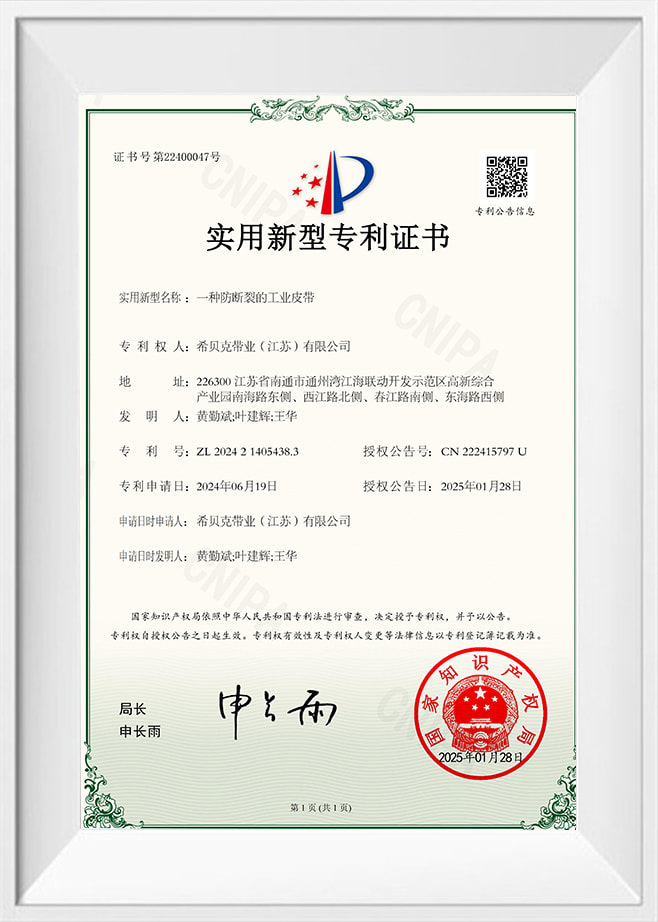
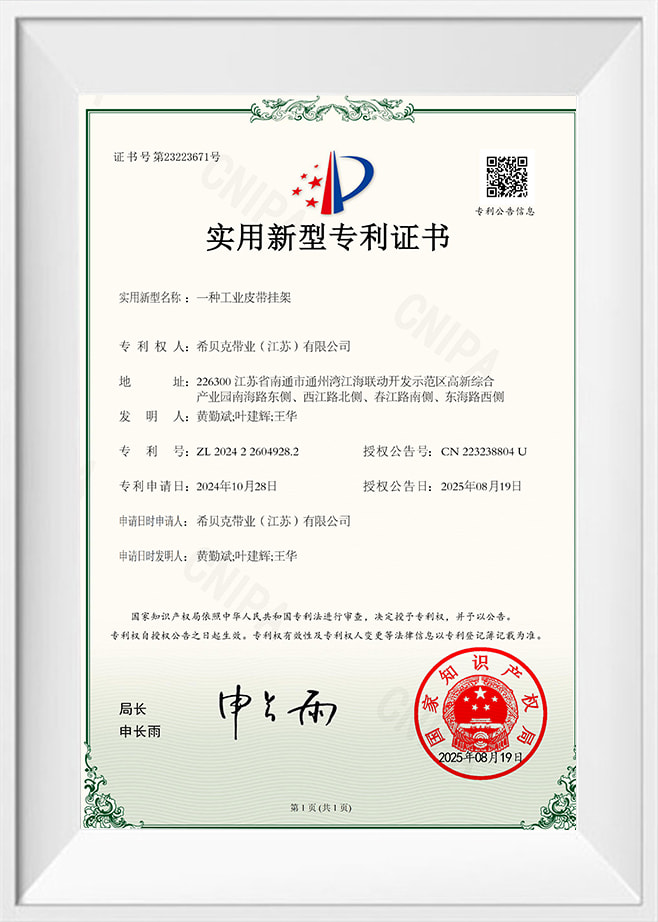
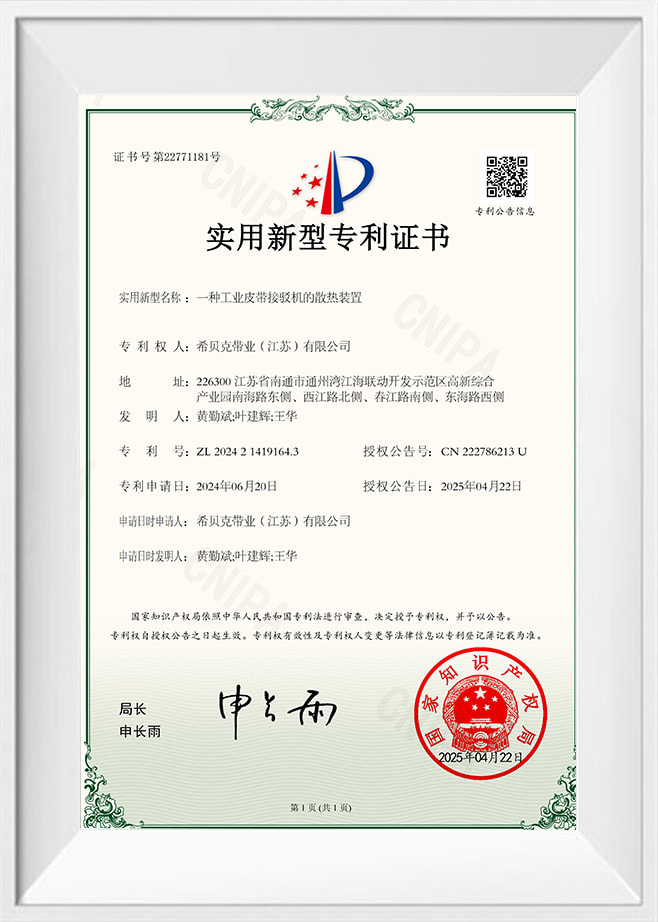
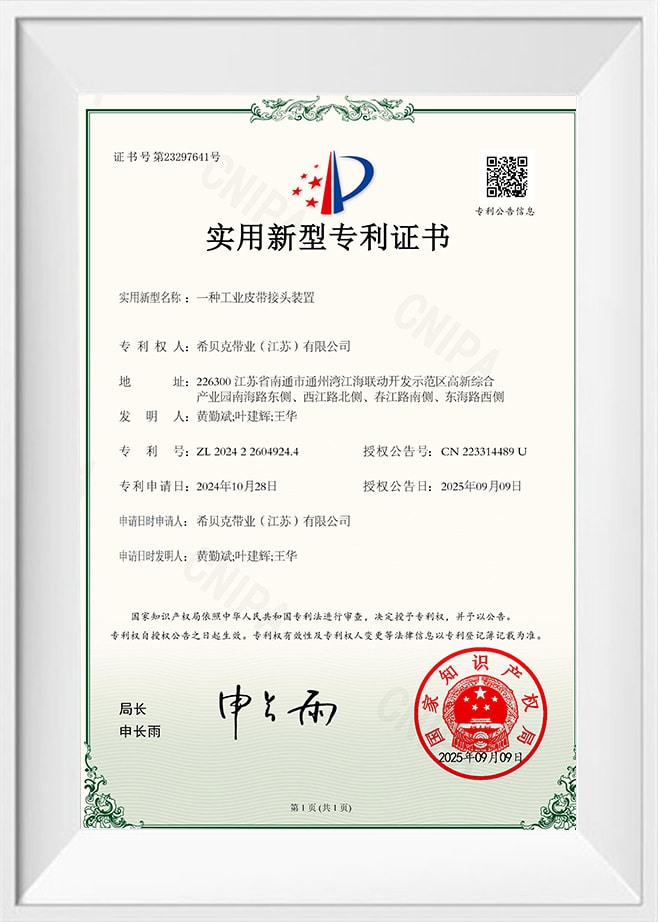
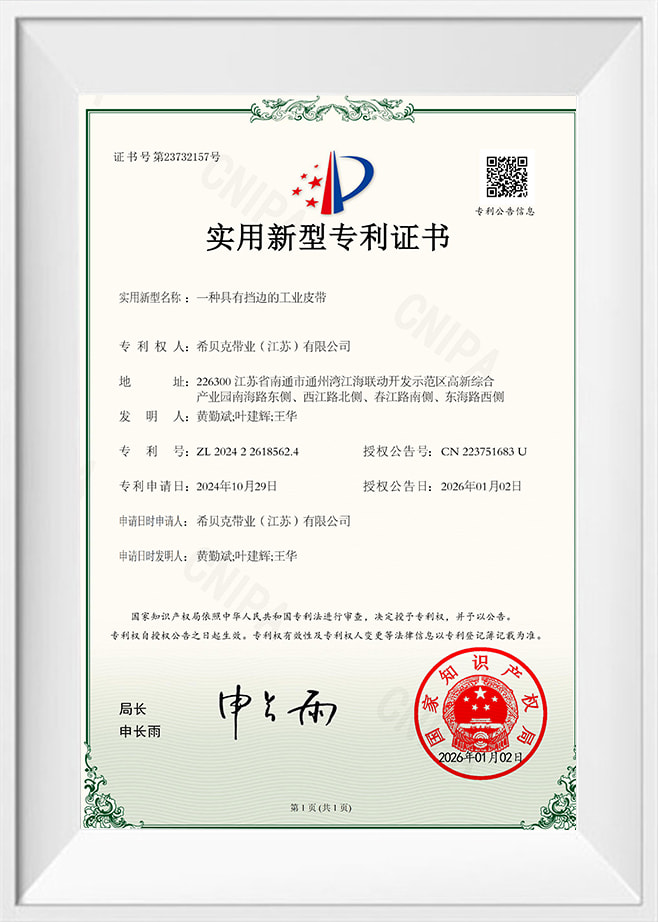
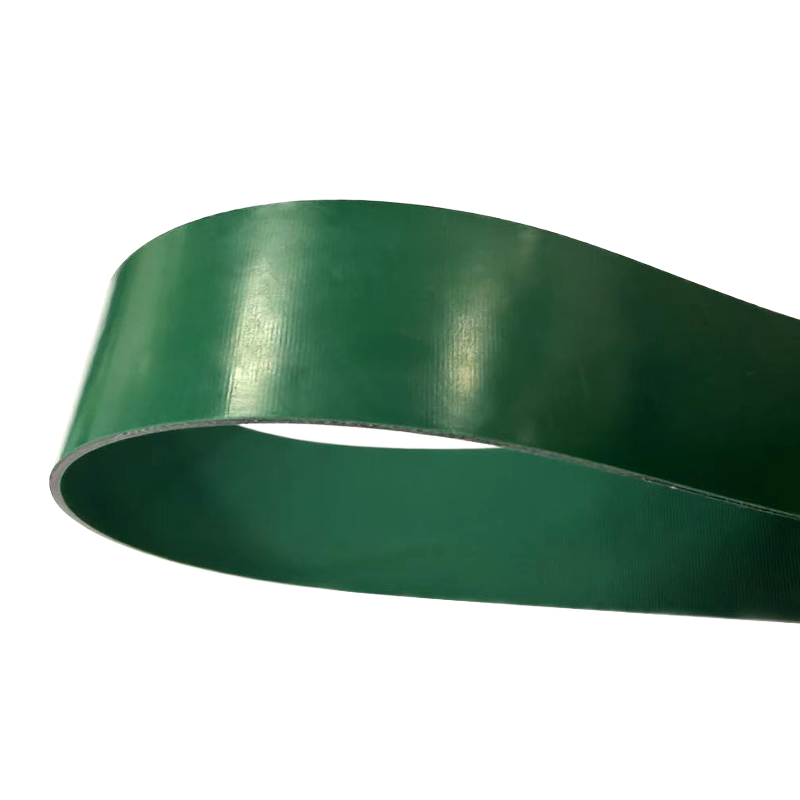
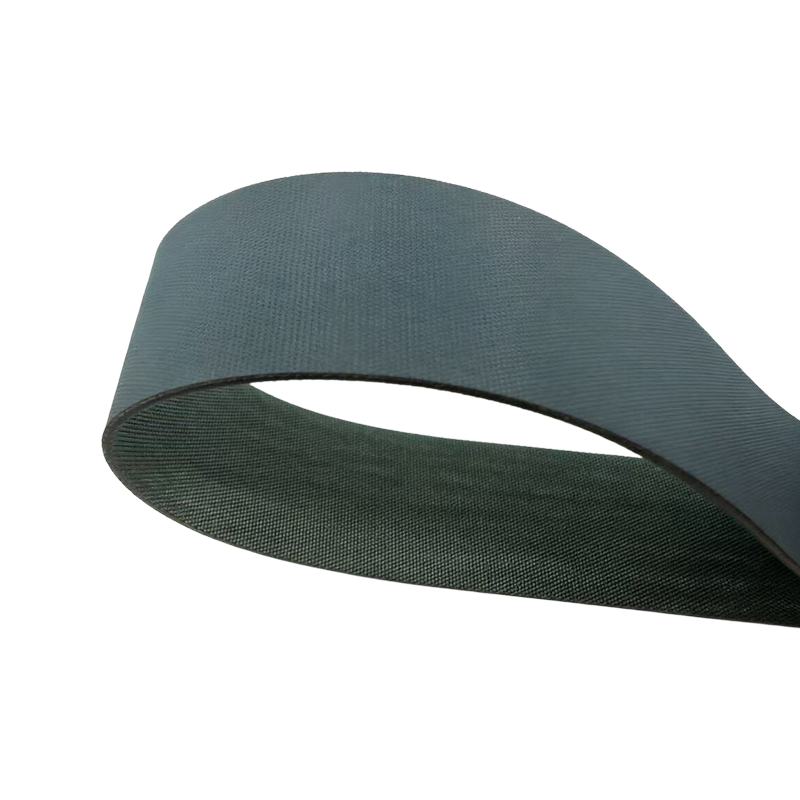
XINBEX Belting (Jiangsu) Co., Ltd. manufactures Other Flat transmission belt Manufacturer products for drives that require a specific balance of friction, wear resistance and flexibility. Our range under this category covers two distinct constructions: the P-1 matte-finish, highly wear-resistant power transmission belt and the RF-18 NBR rubber/polyester fabric power transmission belt. Both are produced in our ISO 9001-certified facilities in Xiamen and Nantong, where we control material preparation, belt forming, vulcanization and finishing.
These belts serve plant engineers and project managers who need a flat transmission belt that does not fit the standard nylon, aramid or spindle tape profiles. Typical applications include light-to-medium duty drives in packaging machinery, textile equipment, woodworking lines and general industrial transmission where surface finish, oil resistance or fabric backing matters. We configure each belt by width, thickness, length, joint type and surface treatment to match the pulley geometry and operating environment.
The P-1 construction uses a matte surface treatment that reduces gloss and improves grip consistency on smooth pulleys. Its high wear resistance suits continuous drives where belt life and minimal slippage are priorities. We recommend it for packaging, printing and light assembly equipment exposed to repeated start-stop cycles.
The RF-18 combines an NBR rubber drive surface with a polyester fabric backing. This structure provides oil resistance on the rubber side and dimensional stability from the fabric, making it suitable for machine tools, textile frames and drives where lubricants or coolants are present. The fabric face also runs quietly on idler pulleys.
The two constructions address different failure modes. The P-1 belt is chosen when abrasive wear on the pulley contact face shortens belt life. The matte finish also prevents glazing that can develop on standard flat belts after extended running. The RF-18 belt is selected when oil mist, hydraulic fluid or coolant contaminates the drive area, because NBR resists swelling that would otherwise change belt length and tension.
We build each belt to the width, thickness and length required by the drive. Standard thicknesses for these two constructions range from 1.5 mm to 4.0 mm, and we confirm the exact value against the pulley diameter and the required tension. Width is cut to order; there is no fixed stock width that limits the design.
The table below summarizes the configuration choices available for both product types. These are the parameters we use to prepare a quotation and to set up production.
| Parameter | P-1 Matte-Finish Belt | RF-18 NBR/Polyester Belt |
|---|---|---|
| Thickness range | 1.5 – 3.0 mm | 2.0 – 4.0 mm |
| Width | Cut to order | Cut to order |
| Surface | Matte, wear-resistant | NBR rubber drive face / polyester fabric back |
| Joint type | Hot vulcanized or mechanical | Hot vulcanized or mechanical |
| Oil resistance | Limited | Good (NBR) |
| Typical drive | Packaging, printing, light assembly | Machine tools, textile frames |
Every production lot passes through the inspection step shown in our manufacturing flow. For these flat transmission belts, the tests that matter most are tensile strength (to confirm the rated working load), hardness (for consistent friction) and thickness tolerance. We also perform visual inspection for joint quality and surface defects before packing.
XINBEX operates under an ISO 9001 quality management system. For food-contact or special applications, we can discuss additional documentation during the quotation stage.
Flat transmission belts require correct alignment and tension to achieve their expected life. We provide installation guidance with each order covering pulley alignment tolerance, initial tension setting and running-in procedure. For drives that use mechanical fasteners, we specify the fastener type and the minimum pulley diameter that the joint can safely pass over.
Alignment: Parallel misalignment should be kept within 0.5 mm per 100 mm of pulley width. Angular misalignment accelerates edge wear on both belt types.
Tension: Re-tension after the first 24–48 hours of running. The P-1 belt may require slightly higher initial tension than a standard flat belt because of its surface texture.
Inspection interval: Check belt edges and joint condition every 500 operating hours. Replace the belt if edge fraying or joint separation is visible.
Replacement belts are manufactured to the same drawing as the original order. We keep order records so that a repeat belt matches the previous width, thickness, length and joint type without re-measurement.
A transmission belt proposal depends on the drive data, not just the belt dimensions. The following inputs let us select the construction, confirm the joint method and set the production specification.
Drive geometry: Pulley diameters, center distance and belt wrap angle.
Power and speed: Motor power, driven speed and duty cycle (continuous or intermittent).
Environment: Ambient temperature, oil or chemical exposure, dust level and humidity.
Belt dimensions: Required width, thickness and either inside length or center distance for endless belts.
Joint preference: Whether the drive can be opened for an endless belt or requires a mechanical fastener.
Quantity and delivery: Order volume and required delivery window so we can schedule the production line.
We also review the existing belt if a sample is available. A worn belt shows the failure mode—edge wear, glazing, joint failure or elongation—and helps confirm whether the P-1 or RF-18 construction is the better fit, or whether a different belt from our Flat Transmission Belt Manufacturer range is more appropriate.
Each shipment includes the packing list, belt identification labels and the test certificate for the production lot. Belts are coiled and wrapped in moisture-resistant film, then packed in cartons or wooden cases depending on length and quantity. Endless belts are coiled with a minimum bend radius to protect the joint.
We ship from our Jiangsu base and can coordinate delivery terms with your freight forwarder. For project orders, we provide a dimensional drawing for approval before production begins, so the belt matches the pulley drawing on site.
What is the difference between the P-1 and RF-18 belts?
The P-1 has a matte, wear-resistant rubber surface for dry drives where slip and abrasion are concerns. The RF-18 uses an NBR rubber face with a polyester fabric backing, giving it better oil resistance and dimensional stability in wet or oily environments. We select between them based on the drive environment and the failure mode of the existing belt.
Can you supply these belts with a mechanical joint?
Yes. Both constructions are available with hot-vulcanized endless joints or mechanical fasteners. The choice depends on whether the drive can be disassembled for belt installation and on the minimum pulley diameter, which limits the fastener size.
What is the maximum operating temperature?
The RF-18 NBR compound is rated for continuous service up to approximately 80°C. The P-1 belt’s temperature range is stated in its product data; we confirm the limit for your specific application during quotation because sustained heat above the rated range accelerates hardening.
How do I specify a replacement belt?
Provide the belt width, thickness, inside length and joint type from the existing belt or the machine drawing. If the belt is worn, note whether it has elongated or shows edge wear, because that indicates whether the original construction was correct or should be upgraded.
Do you provide installation support?
We supply written installation instructions with each order covering alignment, tension and running-in. For project orders, our technical team can review the pulley drawing and confirm the belt specification before production.
What is the typical lead time?
Lead time depends on belt width, length, joint type and order quantity. Standard widths cut from stock move quickly; custom endless belts with hot-vulcanized joints require additional curing time. We confirm the schedule when the order specification is approved.

+86-513-8633-0688
xinbex-js@xinbex.com
No. 152 Nanhai Road, Sanyu Town, Tongzhou District, Nantong City, Jiangsu Province, P.R.China