en
 English
 русский
 Español
 عربى
P-1 Matte-Finish, Highly Wear-Resistant Power Transmission Belt Exporter
Home / Products / Flat Transmission Belt / Other Flat transmission belt / P-1 Matte-Finish, Highly Wear-Resistant Power Transmission Belt

Home / Products / Flat Transmission Belt / Other Flat transmission belt / P-1 Matte-Finish, Highly Wear-Resistant Power Transmission Belt
What a Flat Transmission Belt Does and When It Is the Right Choice A flat transmission belt is the best choice when you need smooth, quiet, high-speed power transfer between two s...
READ MOREWhat a Flat Conveyor Belt Is and Where It Works Best A flat conveyor belt is a continuous loop of fabric-reinforced or solid material that carries products on a smooth, uninterrup...
READ MOREQuick Answer: How to Choose Industrial Conveyor Belts The right industrial conveyor belts come from matching five factors: the material being carried, the load and belt speed, th...
READ MOREWith the mature application of material technologies such as polymer modification, aramid reinforcement and nano-reinforcement, the product structure of China's industrial belt ind...
READ MOREThe refined upgrading of e-commerce fulfillment systems and third-party logistics networks has expanded investment in automated sorting and warehouse conveying systems. High-speed,...
READ MORE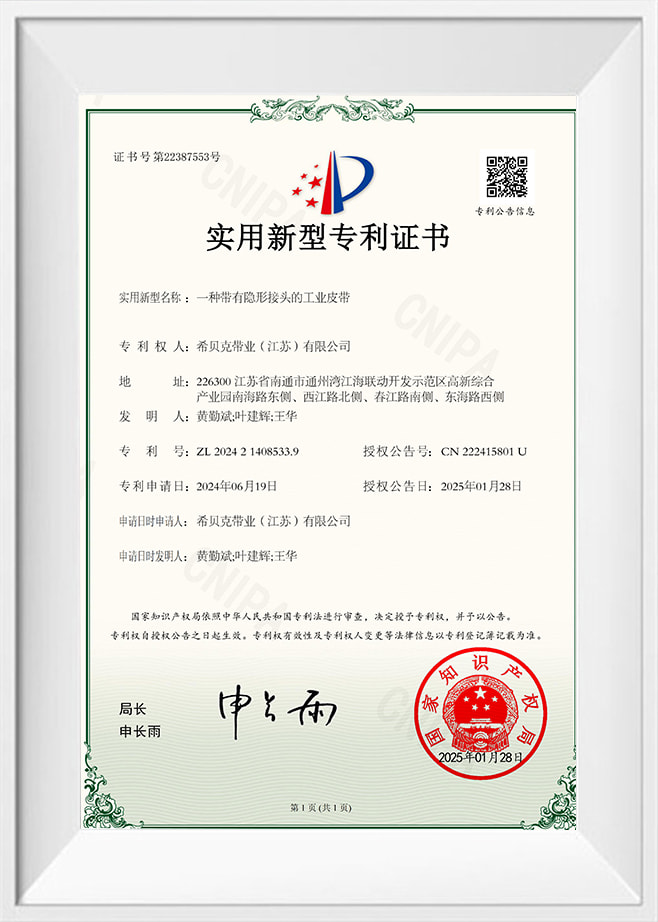
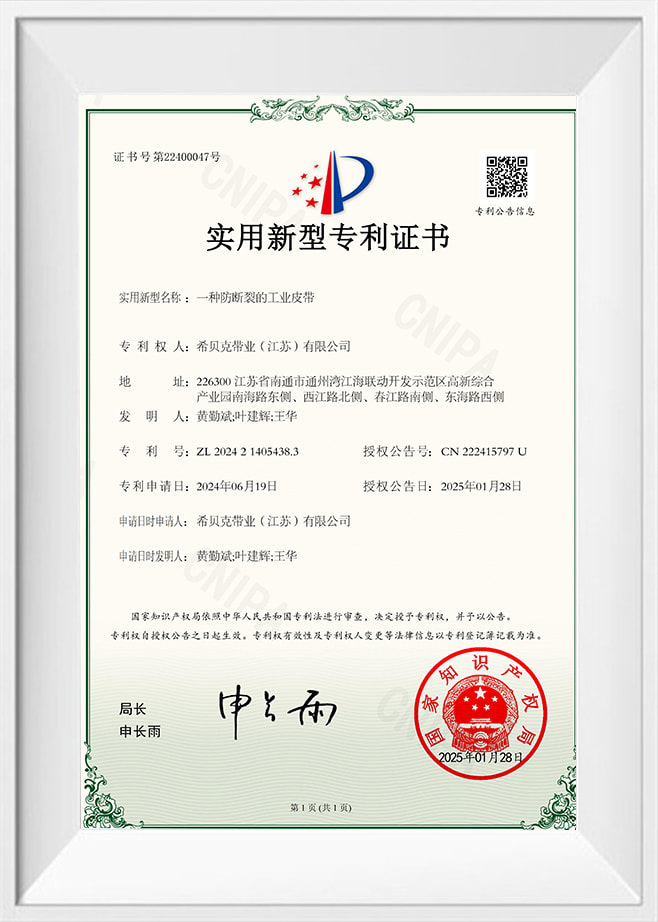
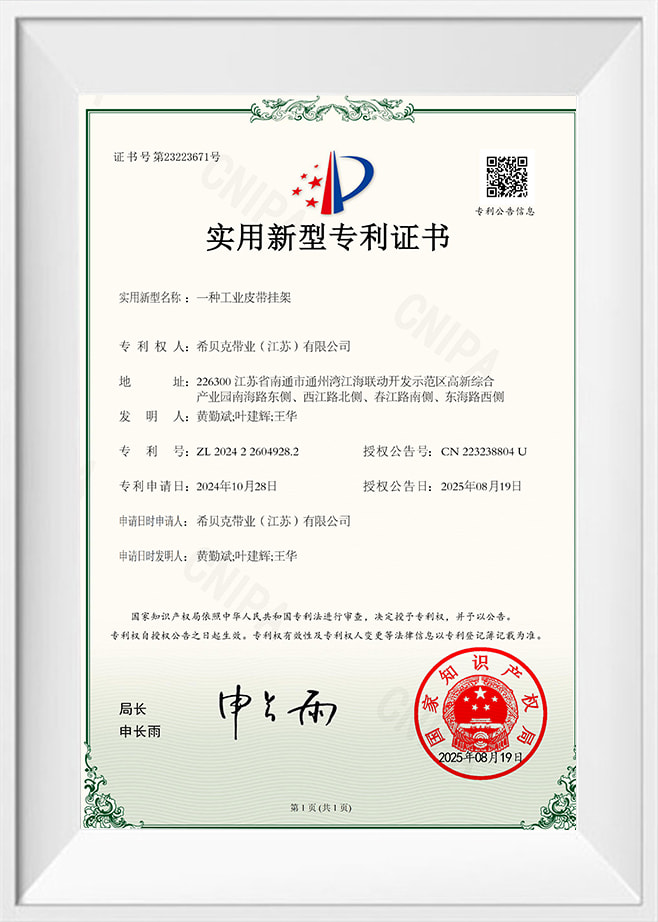
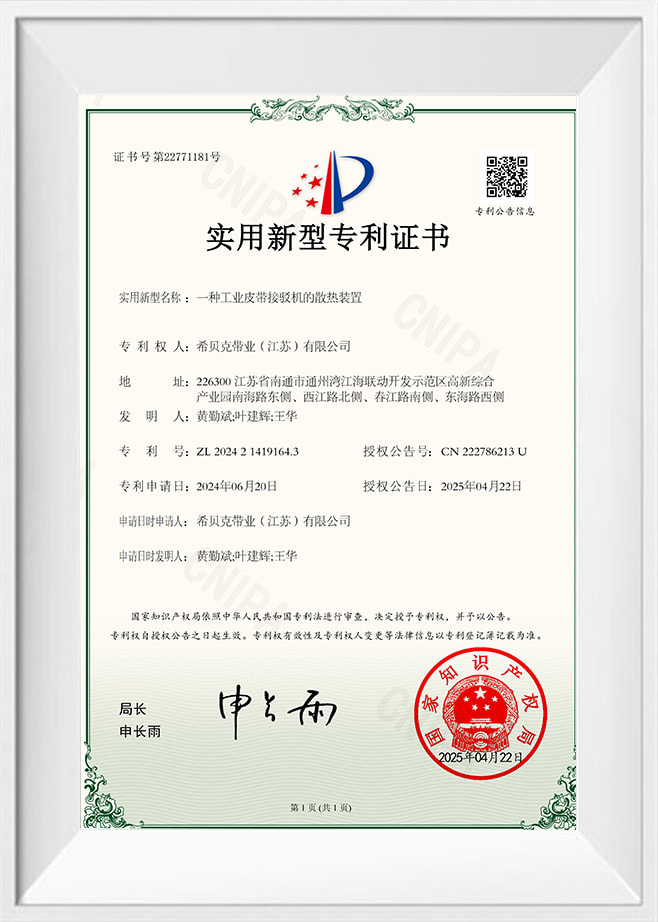
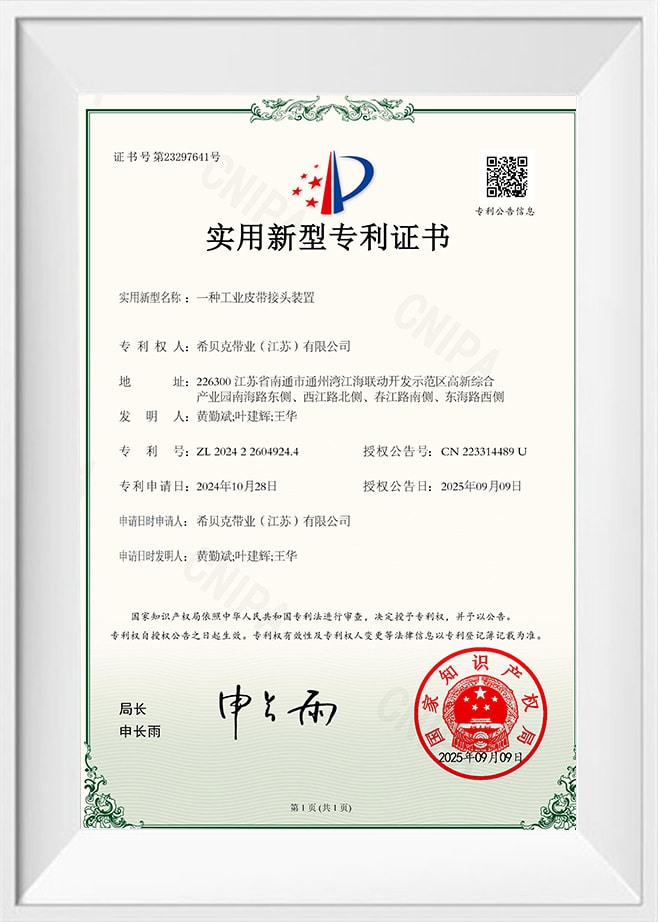
P-1 POWER TRANSMISSION BELT
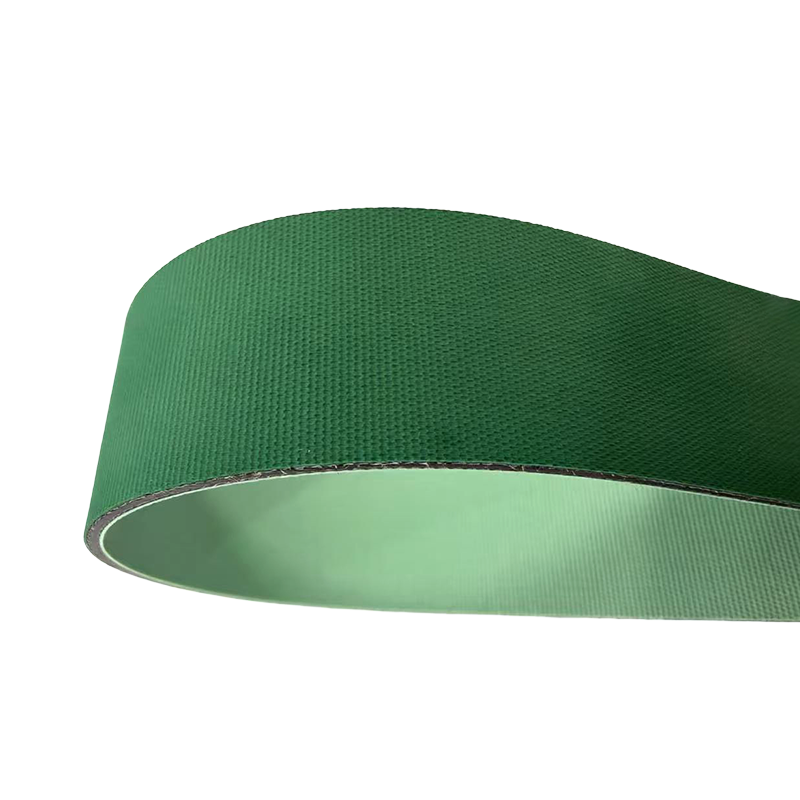
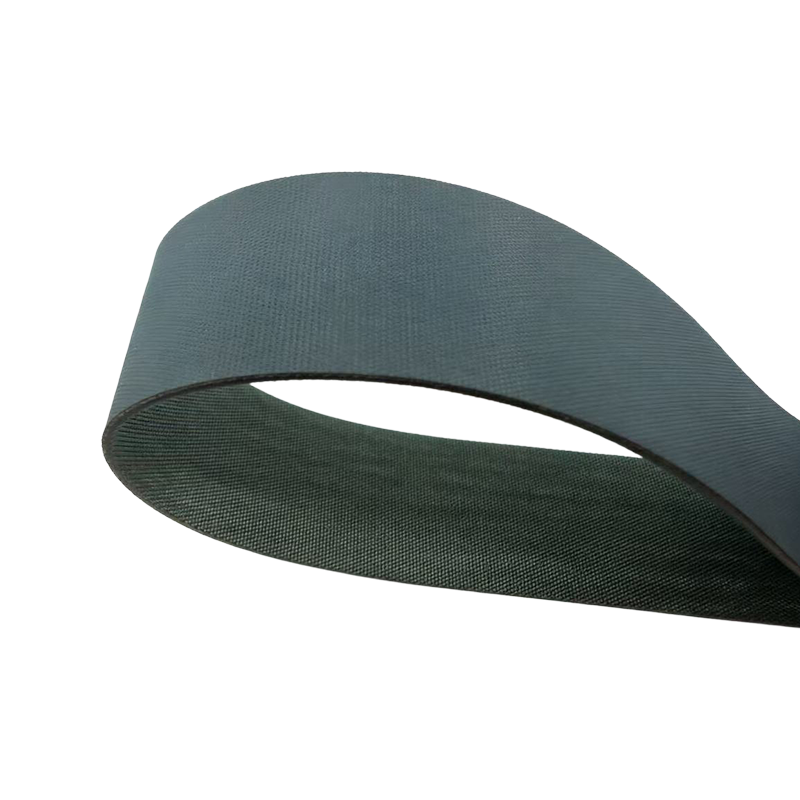
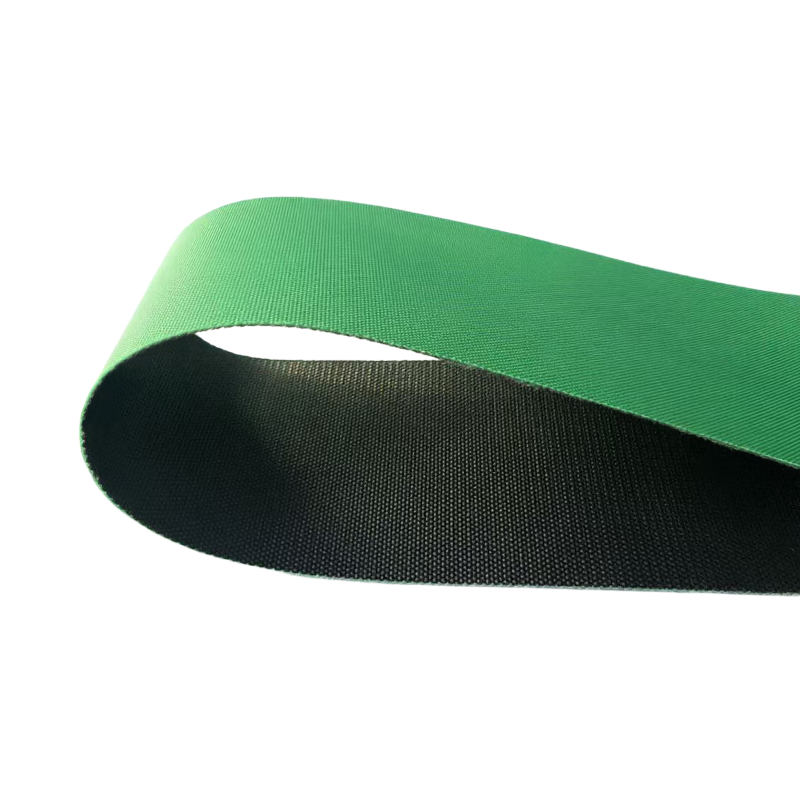
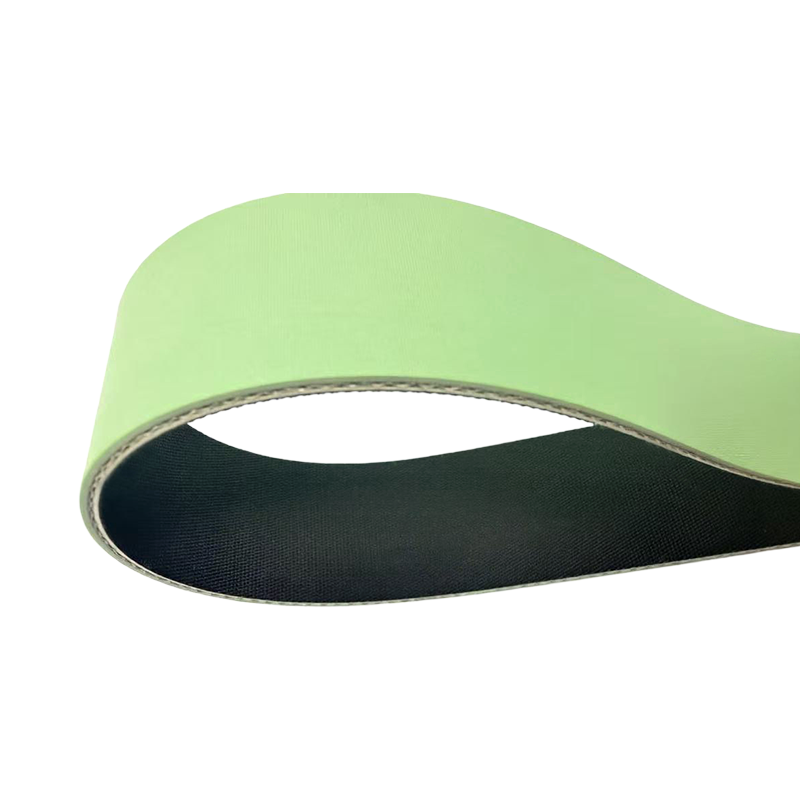
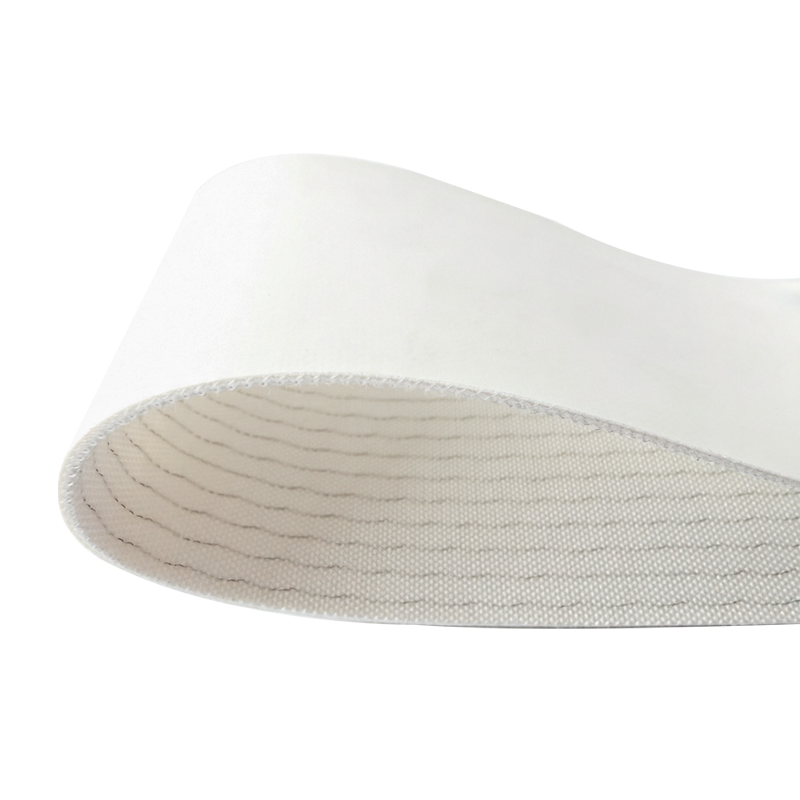
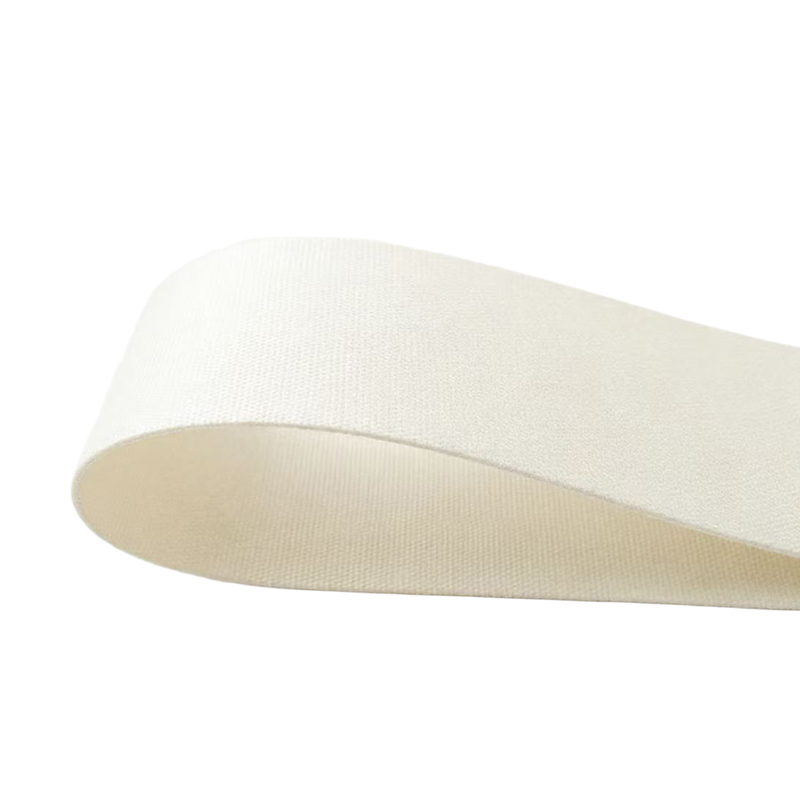
The P-1 matte-finish, highly wear-resistant power transmission belt is a composite belt built for continuous industrial conveying and precision drive systems. XINBEX supplies it as a China manufacturer with production bases in Xiamen and Nantong, so the same specification is delivered to plant engineers, OEM system builders and distributors under one controlled process. We combine a polymer composite base with specialized synthetic rubber and wear-resistant fibers, then apply a fine matte surface treatment that keeps friction high while preventing glossy marks on sensitive paper and printed surfaces.
Typical mounting points are high-speed paper transport sections, paper cutter infeeds and other lines where start-stop impact and abrasive dust are present. The belt is fabricated in our own facilities and can be supplied to drawing or reversed-sample for replacement and OEM builds.
At a glance
As a P1 Mattefinish Highly Wearresistant Power Transmission Belt manufacturer, we match product configuration to the application, operating limits, interfaces and acceptance criteria defined for each project.
The P-1 belongs to our flat transmission belt range, a family that also includes RF-18 NBR rubber/polyester fabric power transmission belt and the static-dissipative SF20 antistatic rubber-based transmission belt. P-1 is specified for working points where the belt must both drive the load and touch the product without marking it.
High-speed paper conveying
Dynamic balance and low elongation keep tracking stable at high linear speed, reducing slip and sheet wrinkling.
Paper cutter infeeds
The reinforcement layer absorbs repeated start-stop tension and impact loads generated by cutting cycles.
Dusty drive sections
Paper dust and trim particles are common abrasives here; the compound resists peeling, hardening and cracking under friction.
Fine matte microstructure changes how the belt contacts printed sheets at speed. Instead of polishing a glossy surface across the sheet, the belt reduces secondary damage during micro-slip. The same compound holds dimensional stability through prolonged high-frequency friction, so acceptance is usually a combination of friction, tracking and surface condition after running-in. The three profile bars below show the relative demands for which the P-1 was engineered.
Relative focus of P-1 belt properties
The integrated high-strength reinforcement layer is the working element behind the belt's low elongation and stable straight running. For a flat transmission drive this matters more than nominal tensile figures: the belt has to hold tension across the pulley span without wander, and it has to survive the torque spike that occurs when a cutter or feeder engages.
We fabricate each P-1 belt to the driven machine rather than to a stock size. Width, thickness, length and edge finish are set from the drawing; the matte face is oriented to the product side, and the fabric or friction face to the pulley side where the drive requires it. Joints are made by hot vulcanization for a continuous running surface, or mechanically where field replacement is preferred.
| Configuration item | Options / scope | What it controls |
|---|---|---|
| Belt width and thickness | Made to your drawing or OEM sample | Drive face contact and pulley fit |
| Surface orientation | Matte face to product, friction face to pulley | Anti-scratch performance and grip balance |
| Joint type | Hot vulcanized or mechanical splice | Running smoothness versus field serviceability |
| Edge finish | Cut, sealed or profiled | Fray resistance and guide clearance |
| Endless length | Specified to machine center distance and take-up | Correct pretension when installed |
| Packing format | Roll, coil or palletized per project | Installation handling and storage |
Material formulation, belt forming, curing and surface processing are carried out in our Xiamen and Nantong facilities under a quality management system certified to ISO 9001. Inspection before despatch covers the properties that govern P-1 performance in service.
ISO 9001
Quality management system certification
7
Stages from raw material to final inspection
2.5M m²
Annual output across the belt range
P-1 is a flat belt, so correct installation is mostly about alignment and pretension. Pulleys and support rollers should be parallel and coplanar before the belt is fitted; a small angular error at high linear speed becomes edge wear and tracking drift. Where the belt runs in a paper cutter, check that the take-up stroke can absorb the belt's low elongation without over-tensioning the bearings.
Commissioning sequence
Drive-side checks
Wear on a transmission belt shows first at the edges, at the splice and on the product face. A simple inspection rhythm keeps unplanned stops out of the production plan, and our service scope covers belt installation, splicing and maintenance support alongside supply.
A P-1 proposal is built from the machine, not from a catalogue list. We need the drive layout, the product being handled and the production target before we fix width, thickness and splice type. Drawings, photos of the existing belt and details of the failure mode all help us match the replacement to the working point.
| Input area | Detail we need |
|---|---|
| Drive layout | Pulley diameters, center distance, take-up range, belt path |
| Duty | Line speed, load, start-stop frequency and cutter impact pattern |
| Product contact | Sheet or web type, finish sensitivity and acceptable marking level |
| Environment | Dust and trim load, temperature range, humidity and cleaning method |
| Dimensions | Width, thickness, endless length or open length, edge profile |
| Joint and packing | Hot vulcanized or mechanical splice, roll or coil, quantity per release |
| Compliance | Any industry standard or food-contact requirement that applies to the line |
What is the P-1 belt used for?
It is a flat power transmission belt for high-speed paper conveying and paper cutter infeeds, and for other precision drive sections that need high friction, low elongation and a non-marking contact face. It also suits dusty environments where abrasive paper scrap is present.
How does the matte finish protect printed sheets?
The fine matte microstructure changes the physical contact between belt and sheet
Can you make P-1 in our own width and length?
Yes. Width
How is the belt tested before delivery?
Our production process runs from material preparation through forming
What support is available after delivery?
Services include belt installation splicing maintenance and optimisation support with a nationwide sales and service network behind the two production bases. We also supply replacement belts to the original specification for scheduled maintenance.
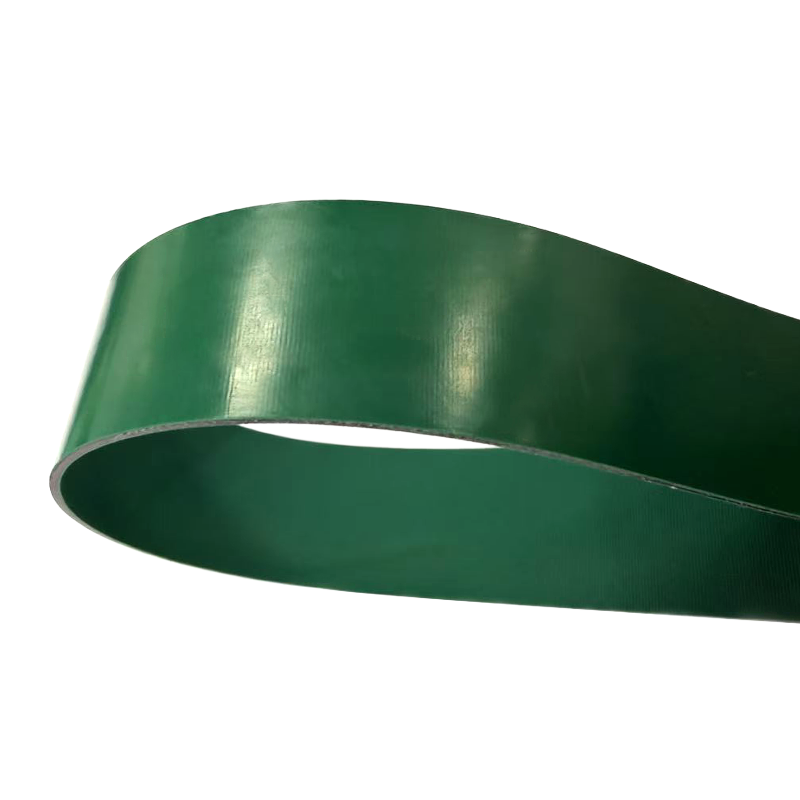
Our portfolio also includes Pbg20 Glossy Green Pvc Conveyor Belt for applications with different operating ranges interfaces or integration requirements.

+86-513-8633-0688
xinbex-js@xinbex.com
No. 152 Nanhai Road, Sanyu Town, Tongzhou District, Nantong City, Jiangsu Province, P.R.China
Copyright © XINBEX Belting (Jiangsu) Co., Ltd. Rights Reserved. Wholesale P-1 Matte-Finish, Highly Wear-Resistant Power Transmission Belt Supplier