en
 English
 русский
 Español
 عربى
Other Flat conveyor belt Provider
Home / Products / Flat Conveyor Belt / Other Flat conveyor belt

Home / Products / Flat Conveyor Belt / Other Flat conveyor belt
What a Flat Transmission Belt Does and When It Is the Right Choice A flat transmission belt is the best choice when you need smooth, quiet, high-speed power transfer between two shafts that are far apart, using plain pulleys without grooves. It works by friction between the belt surface and the pul...
READ MOREWhat a Flat Conveyor Belt Is and Where It Works Best A flat conveyor belt is a continuous loop of fabric-reinforced or solid material that carries products on a smooth, uninterrupted surface between two or more pulleys. It is the most common belt format for light and medium loads on packaging lines...
READ MOREQuick Answer: How to Choose Industrial Conveyor Belts The right industrial conveyor belts come from matching five factors: the material being carried, the load and belt speed, the operating temperature, the layout of the conveyor, and the cleaning or hygiene rules of the site. Rubber fabric belts ...
READ MORE
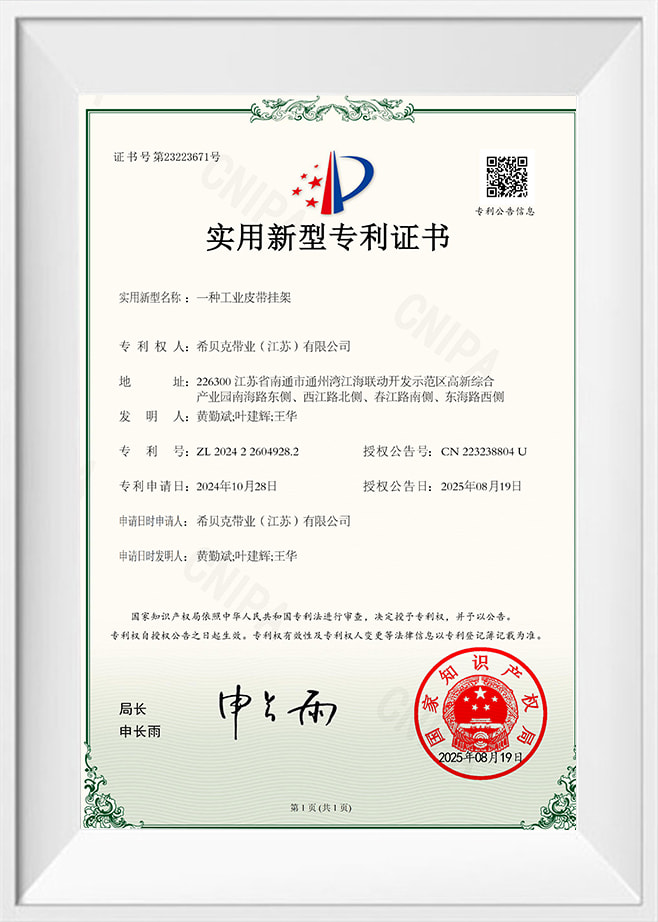
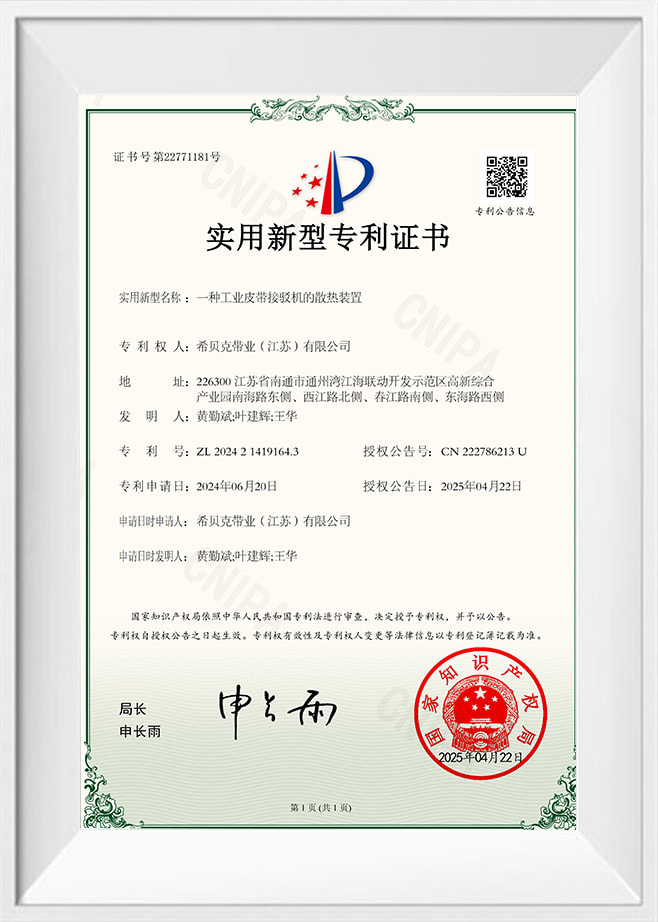
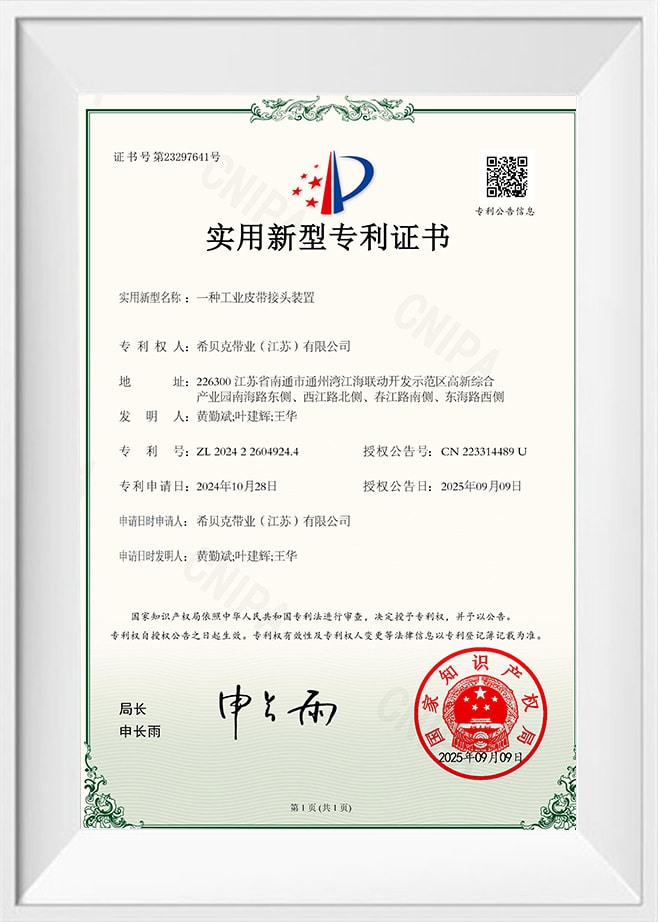
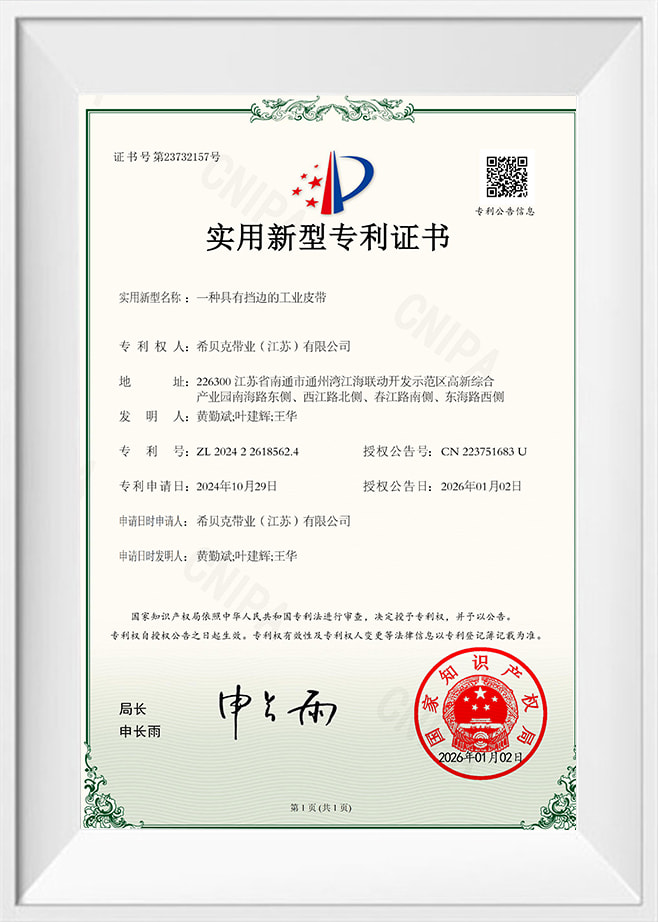
XINBEX Belting (Jiangsu) Co., Ltd. — engineered flat belts beyond the standard range
Since 1998, we have manufactured industrial conveyor and transmission belts at production bases in Xiamen and Nantong. Our Other Flat conveyor belt Manufacturer range covers specialty constructions such as Teflon mesh belts for processes that fall outside standard PVC, PU, rubber or silicone specifications.
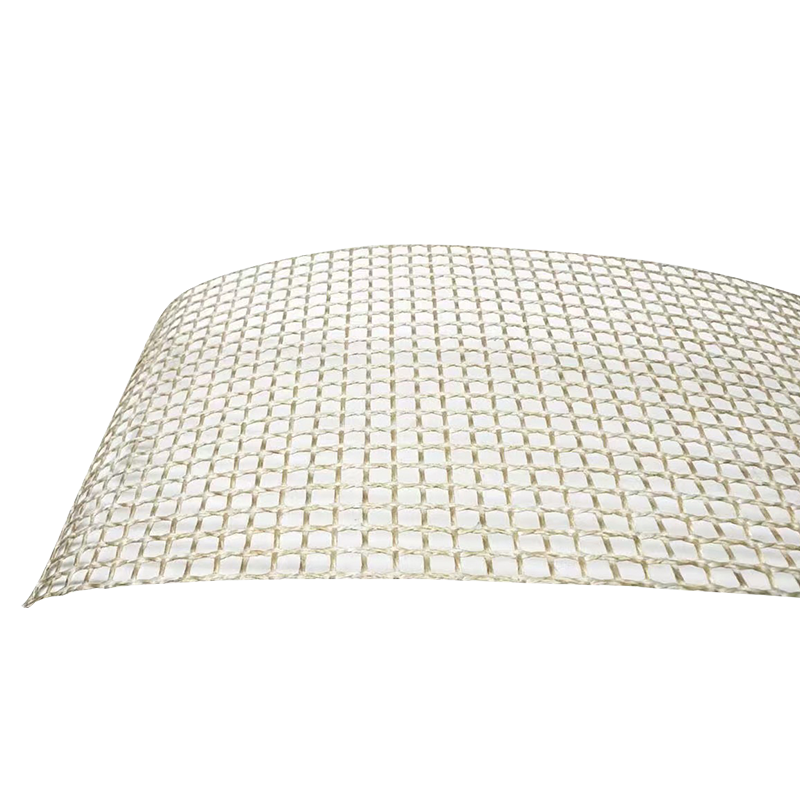
A-1 Yellow Teflon Mesh Belt
An open-mesh PTFE-coated belt for high-temperature drying, baking and cooling lines where airflow through the belt is essential. The mesh structure supports rapid heat transfer and minimal thermal mass.
Specialty Flat Belt Constructions
When a process requires a combination of release properties, chemical resistance or non-marking contact that standard compounds cannot deliver, we fabricate flat belts around the specific working environment.
Other flat conveyor belts serve niche positions in food processing, packaging, textile finishing and industrial automation. The Teflon mesh construction is typically specified for tunnel ovens, UV curing tunnels, shrink-wrap tunnels and textile stenters, where the belt must tolerate elevated temperatures while allowing air or moisture to pass through the mesh.
The working point defines the belt. We confirm the following parameters with the project team before releasing a custom flat belt to production.
Our broader flat conveyor programme includes PVC, PU, PE, silicone, Novo, rubber and high-performance constructions. The specialty range exists for applications where those materials reach their limits. The table below maps the material families to their typical working envelopes.
| Belt Family | Typical Strength | Temperature Envelope | Application Fit |
|---|---|---|---|
| PVC Conveyor Belt | General conveying | Standard ambient to moderate heat | Logistics, packaging, light food handling |
| PU Conveyor Belt | High abrasion resistance | Moderate heat, oil and grease | Food processing, cutting and sealing lines |
| Silicone Conveyor Belt | Release and heat resistance | Elevated temperature | Hot-product handling, non-stick requirements |
| Rubber Conveyor Belt | Heavy duty, cut and tear resistance | Ambient to high heat with correct compound | Building materials, stone, bulk handling |
| Teflon Mesh (Other Flat) | Dimensional stability at heat | High-temperature tunnels | Drying, baking, curing, textile finishing |
Edge and Mesh Preparation
Mesh edges are trimmed and stabilised to prevent fraying, with guided edges optional for long conveyor runs.
Endless Splicing
Belts are joined to the required endless length, or supplied open-ended with a splice kit for installation in constrained frames.
Mechanical Fasteners
Where the process allows, mechanical joining options simplify replacement without removing the conveyor frame.
Profile Attachment
Cleats, sidewalls and tracking profiles are positioned to the drawing and checked against the pulley and support layout.
Our production process runs from raw-material processing through forming, curing, surface finishing, fabrication, splicing and final inspection. Each specialty belt is checked against the agreed drawing and the test plan for the order.
Dimensions, mesh count and splice integrity are verified before packing. Our quality management system is certified to ISO 9001, and material documentation is supplied with the order according to the agreed scope. For food-contact projects, the applicable compliance evidence is confirmed at the quotation stage so the correct compound and documentation package are scheduled together.
A complete configuration starts with the conveyor layout and the process conditions, not with a belt catalogue. We work from the following inputs when preparing a proposal and a production drawing.
For projects spanning multiple belt types, our Industrial Belt Solutions Suppliers programme coordinates the full bill of belts, including Flat Conveyor Belt Manufacturer selections across PVC, PU and rubber lines, so that all belts on a line arrive with consistent documentation and compatible splice methods.
Teflon mesh belts are inspected for mesh distortion, coating wear and splice condition. We supply replacement belts against the original drawing so that the new belt matches the existing frame without re-measurement.
What is the A-1 Yellow Teflon Mesh Belt used for?
It is an open-mesh PTFE-coated belt for high-temperature process tunnels such as drying, baking and curing. The mesh allows air and moisture to pass through, which standard solid flat belts cannot do.
Can the mesh count and belt dimensions be customised?
Yes. We manufacture to the required width, endless length and mesh specification. Edge treatment and guided edges are selected according to the conveyor layout and tracking requirements.
How is the belt joined on site?
Depending on the process and the installation access, belts are supplied endless or open-ended for splicing. Our service team can support installation and splicing where the project requires it.
What temperature can the Teflon mesh belt withstand?
The practical operating temperature depends on the coating, mesh construction and continuous versus peak exposure. We confirm the temperature profile at the belt surface during configuration and match the material grade to it.
Do you supply replacement belts for existing installations?
Yes. If you have the original belt drawing or dimensions, we can manufacture a replacement to match. For repeat orders, we retain the production record so the next belt is built to the same specification.
What documentation is supplied with a specialty flat belt order?
Order documentation includes the dimensional and material confirmation, inspection results against the agreed test plan, and compliance evidence appropriate to the application. The exact document set is agreed during quotation.
Our portfolio also includes PVC Conveyor Belt Manufacturer for applications with different operating ranges, interfaces or integration requirements.

+86-513-8633-0688
xinbex-js@xinbex.com
No. 152 Nanhai Road, Sanyu Town, Tongzhou District, Nantong City, Jiangsu Province, P.R.China
Copyright © XINBEX Belting (Jiangsu) Co., Ltd. Rights Reserved. OEM Other Flat conveyor belt Manufacturer Wholesale Other Flat conveyor belt Factory