en
 English
 русский
 Español
 عربى
A-1 Yellow Teflon Mesh Belt Exporter
Home / Products / Flat Conveyor Belt / Other Flat conveyor belt / A-1 Yellow Teflon Mesh Belt

Home / Products / Flat Conveyor Belt / Other Flat conveyor belt / A-1 Yellow Teflon Mesh Belt
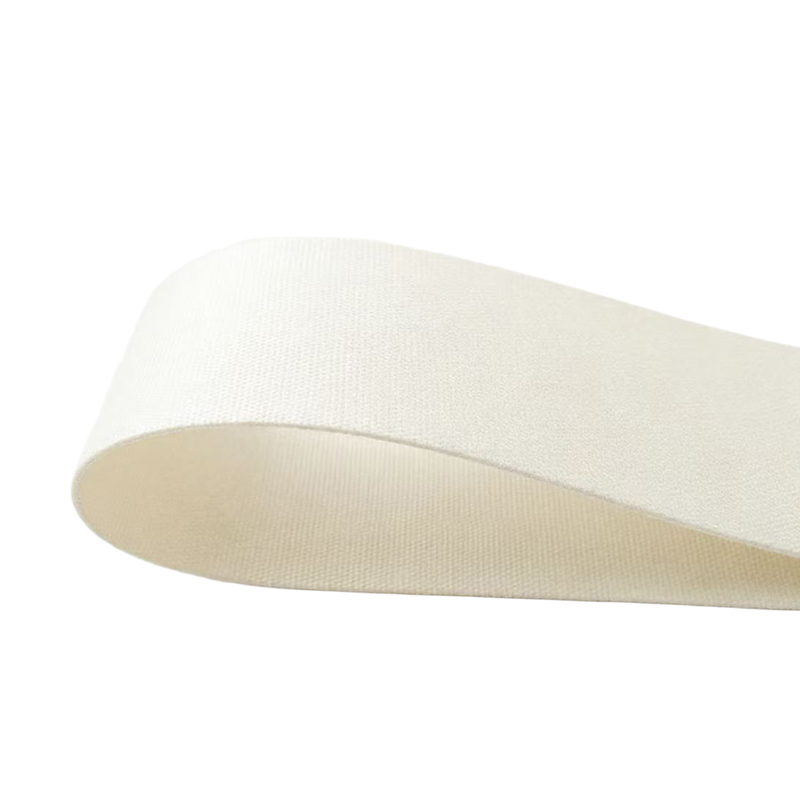
What a Flat Transmission Belt Does and When It Is the Right Choice A flat transmission belt is the best choice when you need smooth, quiet, high-speed power transfer between two s...
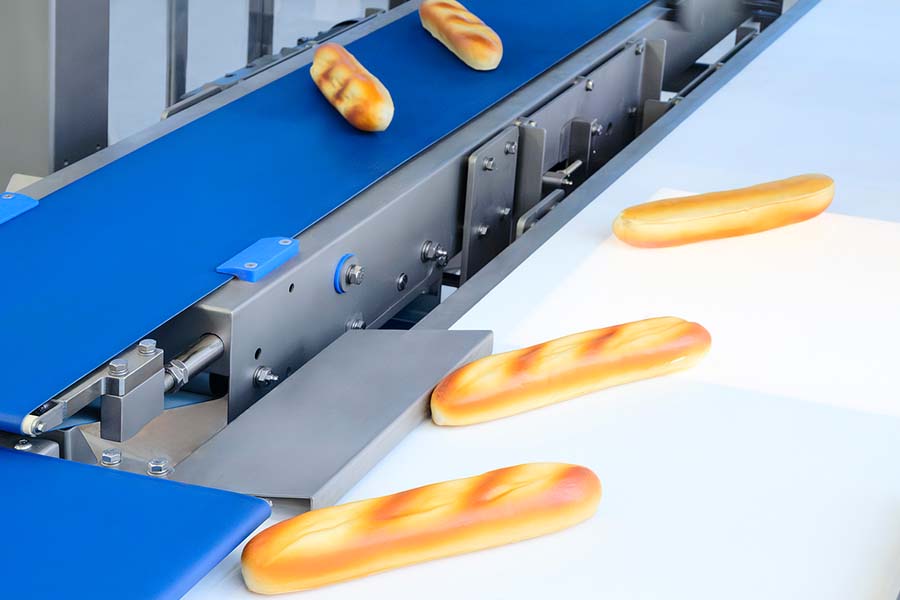
READ MOREWhat a Flat Conveyor Belt Is and Where It Works Best A flat conveyor belt is a continuous loop of fabric-reinforced or solid material that carries products on a smooth, uninterrup...
READ MOREQuick Answer: How to Choose Industrial Conveyor Belts The right industrial conveyor belts come from matching five factors: the material being carried, the load and belt speed, th...
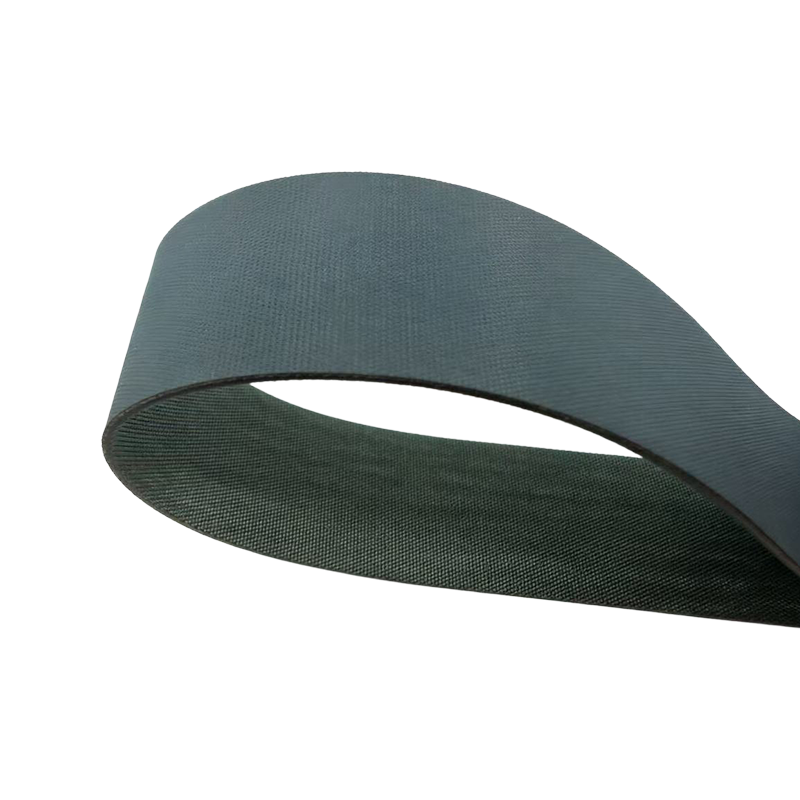
READ MOREWith the mature application of material technologies such as polymer modification, aramid reinforcement and nano-reinforcement, the product structure of China's industrial belt ind...
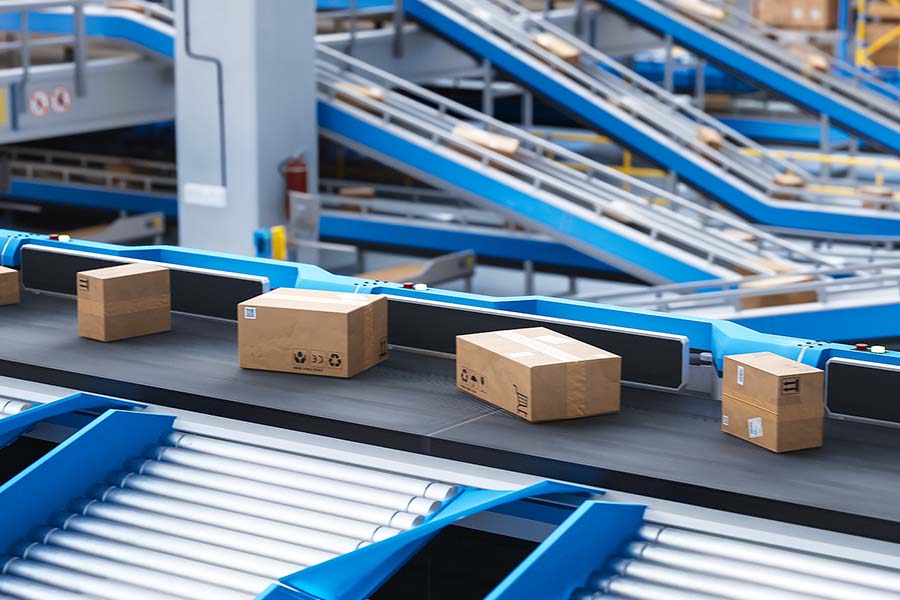
READ MOREThe refined upgrading of e-commerce fulfillment systems and third-party logistics networks has expanded investment in automated sorting and warehouse conveying systems. High-speed,...
READ MORE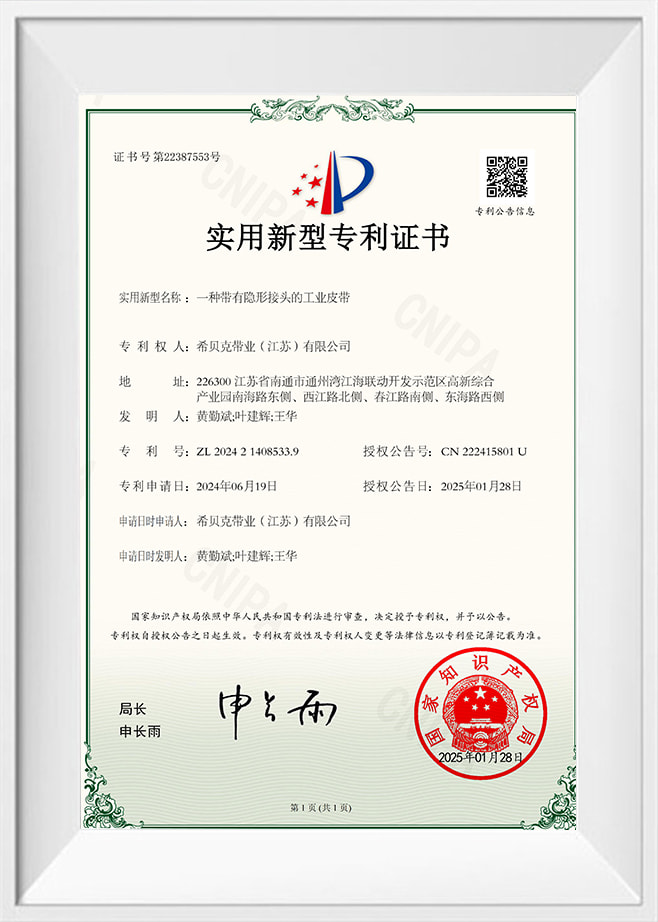
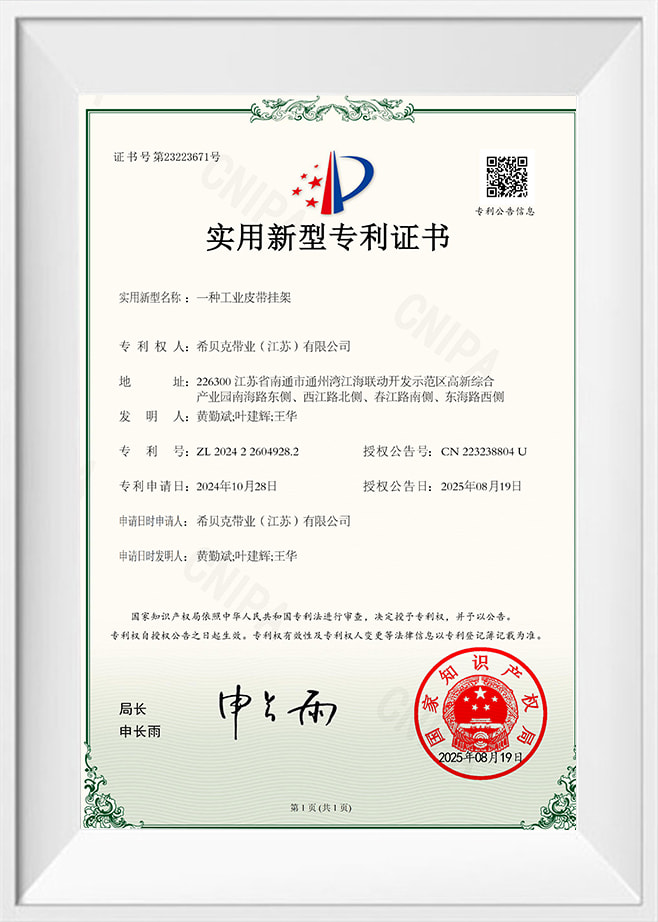
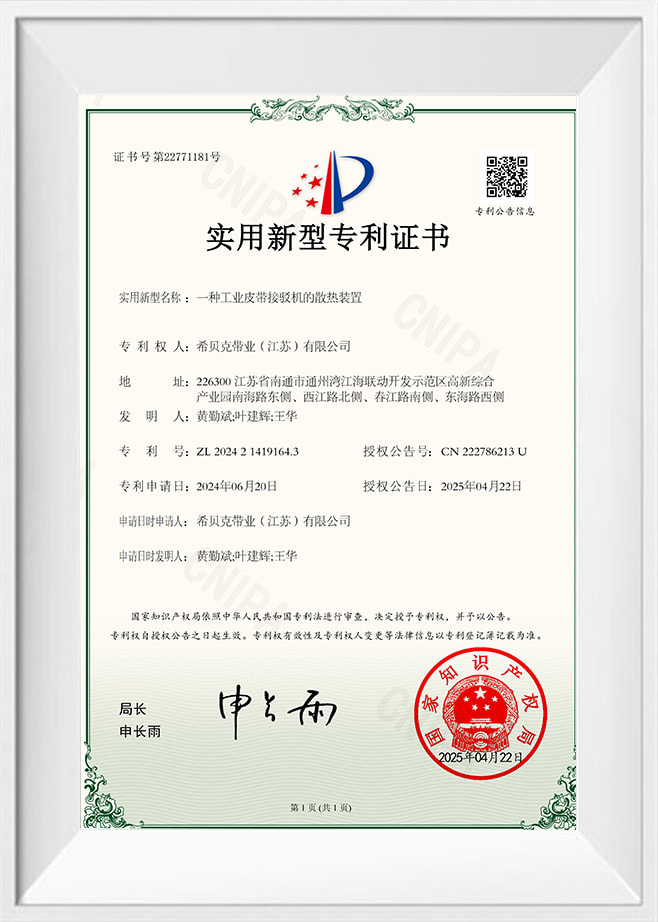
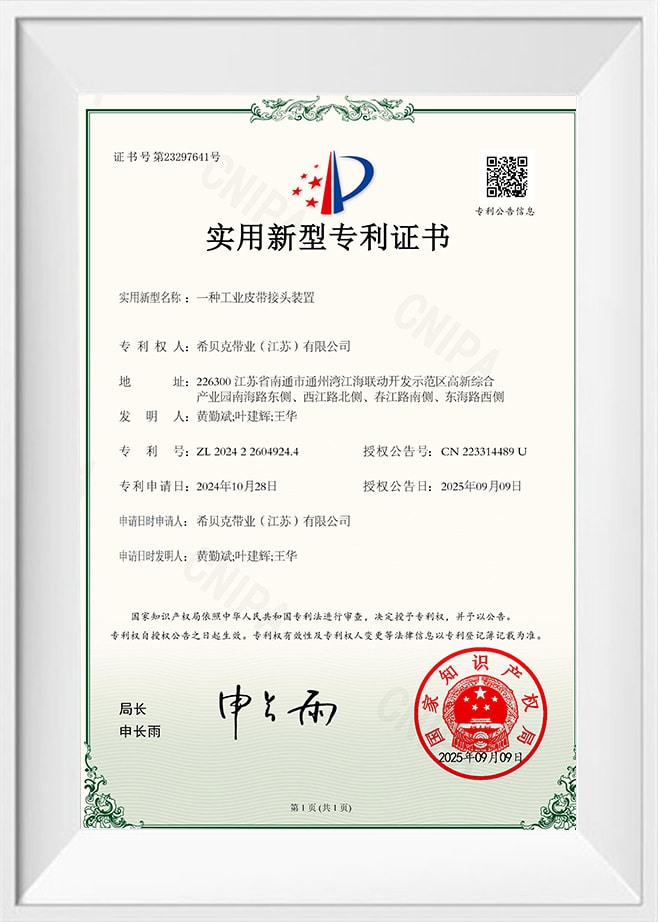
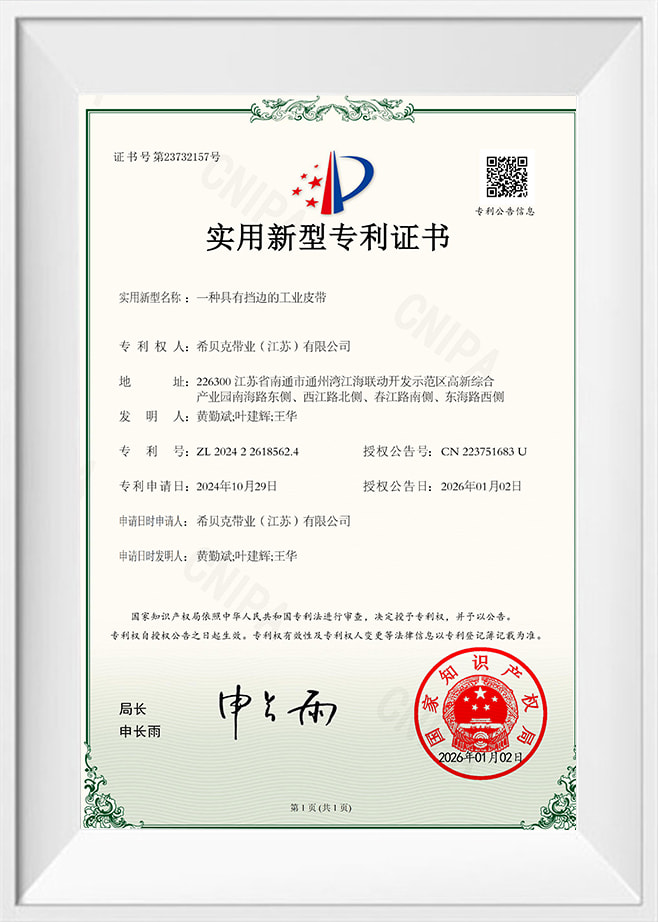
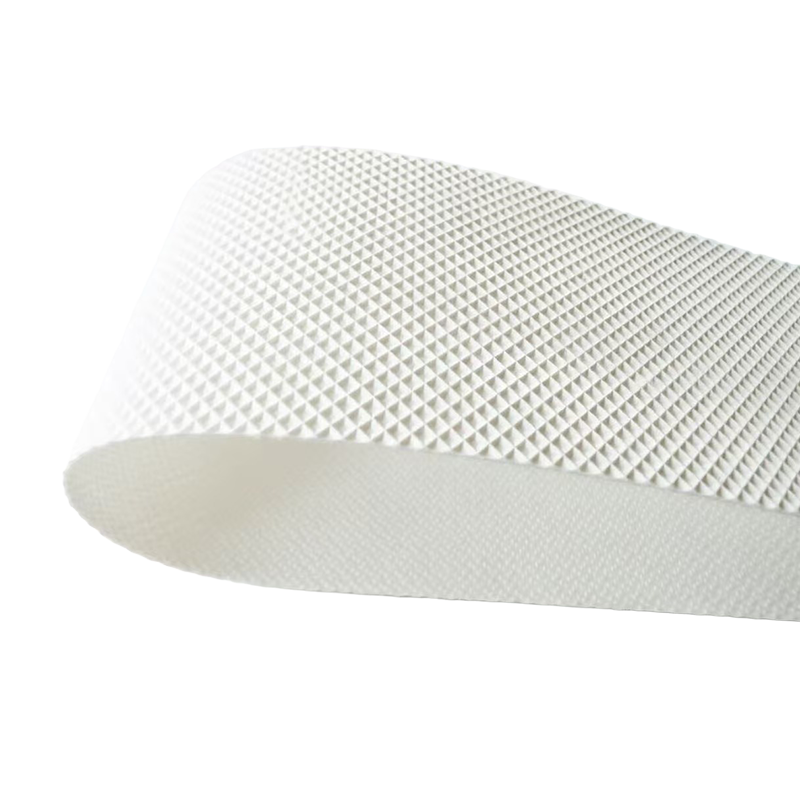
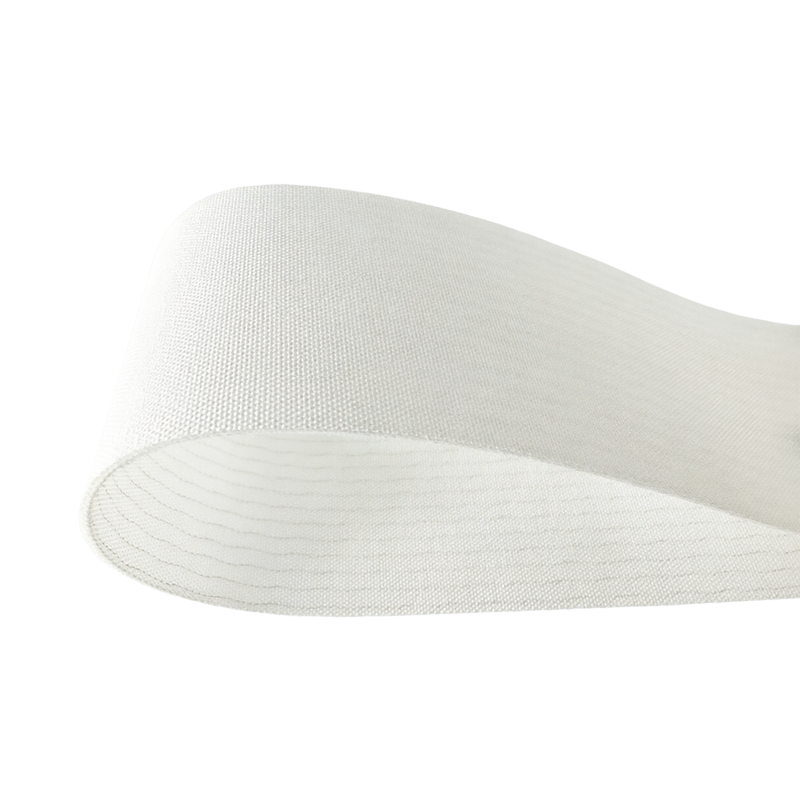
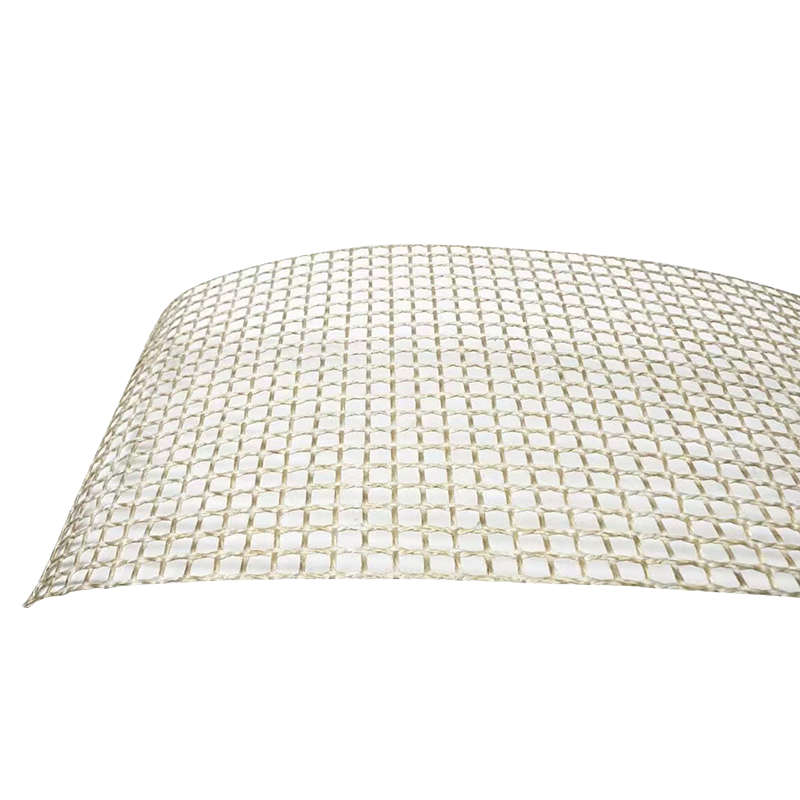
XINBEX Belting (Jiangsu) Co., Ltd. manufactures the A-1 Yellow Teflon Mesh Belt for continuous industrial drying and conveying lines. The belt combines a high-strength fiber fabric base with a PTFE (Teflon) coating in an open mesh construction, so hot air passes through the web and the product releases cleanly from the surface.
Since 1998 we have built conveyor and transmission belts at production bases in Xiamen and Nantong, with fabrication, splicing and technical support for distributors, conveyor system builders and plant operators worldwide. As a China A1 Yellow Teflon Mesh Belt manufacturer, we configure this open-mesh belt to the dryer width, temperature profile and product release requirement of each line.
The A-1 belt is built for automated continuous dryers, tunnel ovens and cooling conveyors where the web carries the product through a heated chamber. Typical duties include drying slurries and coatings, curing adhesives, drying food pieces and dewatering chemical or mineral granules. The open mesh lets heated air circulate through the belt rather than only over the top surface, which shortens drying cycles and reduces temperature variation across the product bed.
Because the PTFE surface releases sticky or tacky materials, lines handling sugar-coated goods, resin-soaked webs, battery slurries or printed sheets keep running with less scraping and cleaning between shifts. The belt is also used as a release sheet in press and laminating operations where a flat, non-stick carrier is needed.
The belt's value on a production line comes from four properties working together: thermal stability, release, air flow and dimensional control. The chart below compares the relative influence of these properties on line uptime for a typical continuous dryer. Higher bars indicate where the A-1 construction contributes most to reliable operation.
Relative contribution to line uptime — A-1 Yellow Teflon Mesh Belt
A-1 performance on a specific oven depends on the interaction of mesh geometry, coating weight, fabric strength and joint method. We confirm each of these against the dryer drawing and process data before production, because a belt that is correct in width but wrong in mesh openness can underperform an entire drying stage.
| Parameter | What It Controls | Configuration Options |
|---|---|---|
| Mesh pitch / openness | Air flow, product support, release | Selected to match product size and airflow |
| Belt width | Line coverage and edge clearance | Cut to the conveyor frame or drum face |
| Overall length | Take-up range and tracking | Endless or open-ended with splice kit |
| Coating weight | Release life and surface durability | Standard or heavier PTFE build |
| Joint type | Strength and installation method | Hot-vulcanized splice or mechanical fastening |
| Edge finish | Fray resistance and tracking | Sealed or reinforced edges on request |
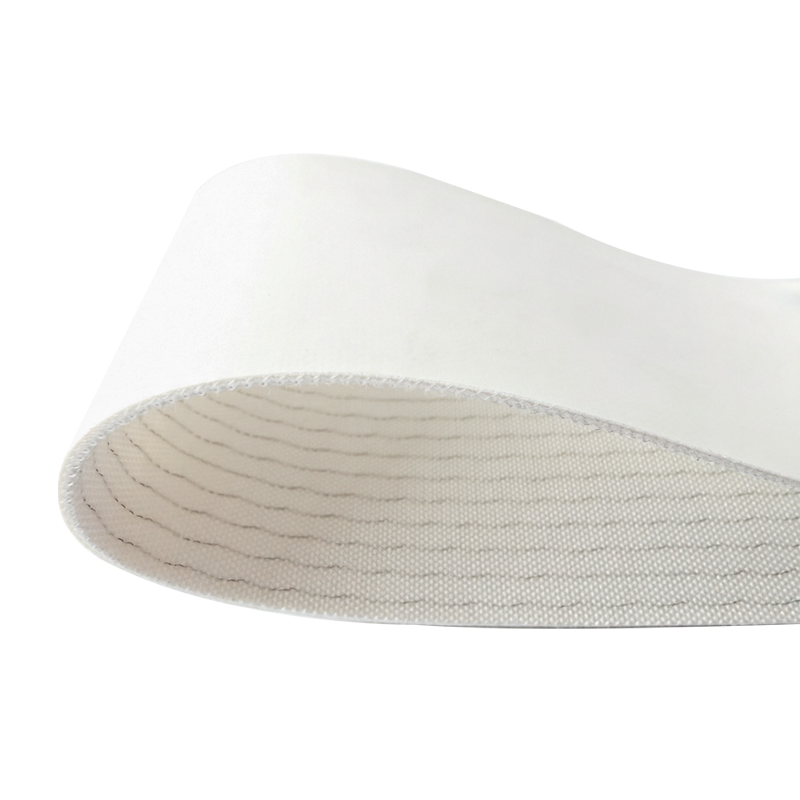
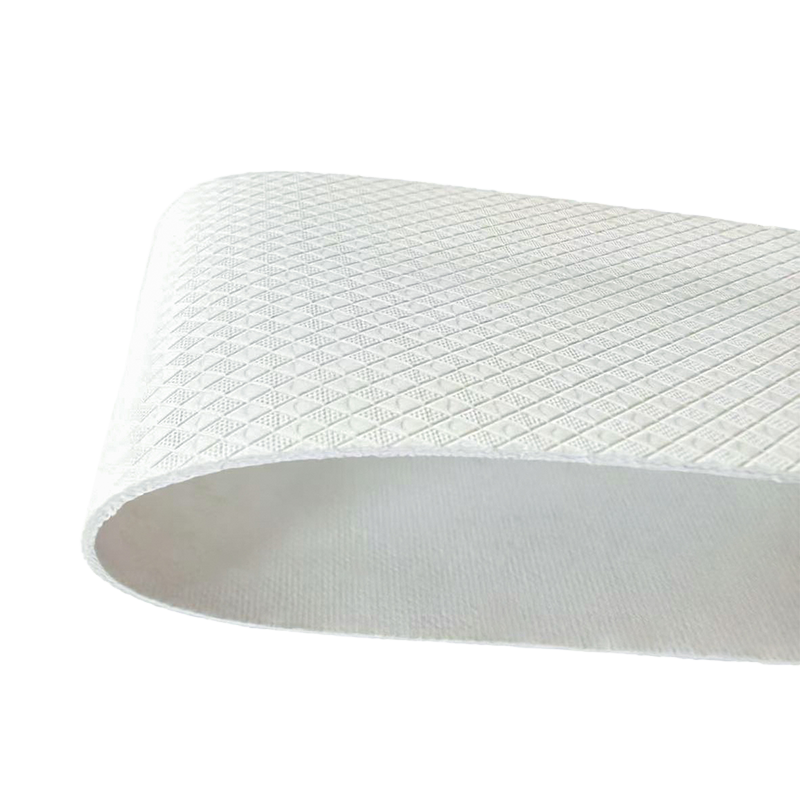
We produce the A-1 mesh belt alongside a wider range of flat conveyor and transmission belts, which lets us supply a full line — the dryer belt, the infeed conveyor and the outfeed transfer — from one manufacturing source. This matters on projects where several materials must work together, such as a bakery line that needs a non-stick mesh through the oven and a hygienic PVC belt on the cooling run.
The A-1 open-mesh belt plus other flat conveyor options for heat, release and process-specific duties.
General conveying, food handling and packaging lines where a smooth or patterned surface is required.
Hygienic conveying in food, pharmaceutical and light assembly, with options for oil resistance and cleats.
Higher-temperature smooth conveying where release is needed without an open mesh.
The A-1 belt can be supplied endless, with a hot-vulcanized splice, or open-ended for joining on site. Endless belts are preferred on new dryers because they avoid a joint through the heated zone; open-ended supply is common for retrofit where the frame cannot be split. For on-site work, we provide splice tape, PTFE film and instruction sheets, and our service team can attend installation and splicing on request.
For lines already running a PVC or PU belt, our team can review whether the open mesh is the right upgrade or whether a smooth PU conveyor belt with a release coating is a better match for the temperature and product. That comparison is part of the configuration review, not an assumption that one belt type suits every dryer.
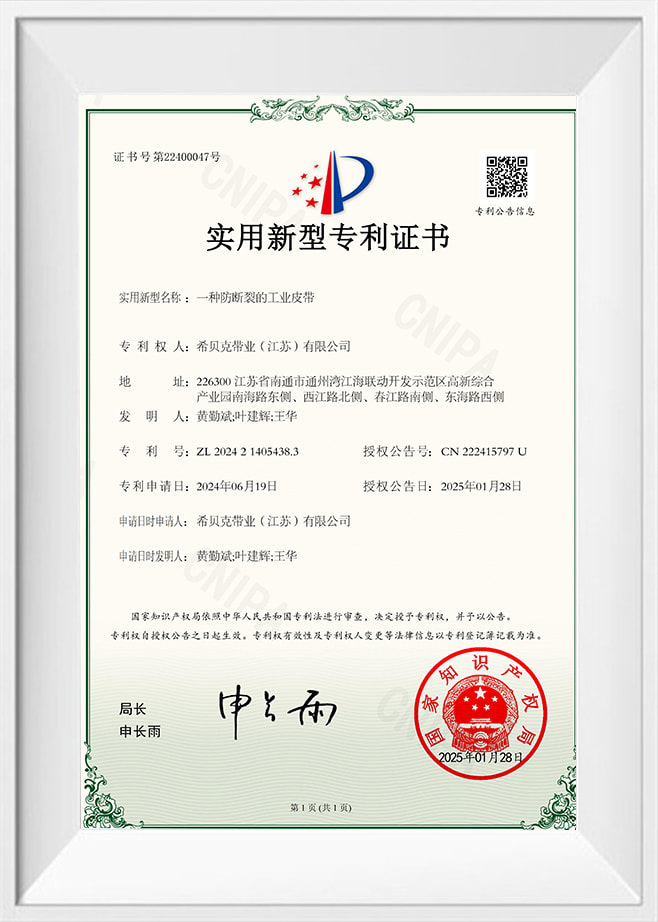
Every A-1 batch passes through incoming material checks, in-process inspection and final testing in our laboratory. Tests cover tensile strength, abrasion resistance, hardness and high/low temperature performance, with additional checks for chemical resistance where the application requires it. Our quality management system is certified to ISO 9001, and food-contact and environmental qualifications are held for the product lines that serve those markets.
Acceptance on site follows the agreed drawing: belt width, length, joint position and edge condition are checked against the approved specification before the belt is mounted. For projects that require pre-shipment witness or third-party inspection, we prepare the belt for review at our Nantong facility and coordinate the inspection visit with the customer's nominated body.
A quotation for the A-1 belt is built from the dryer data, not from a catalogue size. The checklist below shows the inputs that let us propose the right mesh, coating and joint in one pass.
| Input | Why We Need It | Typical Format |
|---|---|---|
| Dryer drawing | Pulley centres, take-up and frame clearance | PDF or DWG with dimensions |
| Belt width and length | Cutting and splicing dimensions | mm, with tolerance if known |
| Operating temperature | Coating and fabric selection | Continuous and peak °C |
| Product and chemicals | Release and chemical compatibility | Product type, solvent or acid exposure |
| Joint preference | Endless or on-site splicing | Installation method and access |
| Annual volume | Production scheduling and supply plan | Metres per year or per order |
The A-1 mesh belt is a wear part, and planned replacement is part of normal dryer maintenance. We recommend keeping a spare belt on site for lines that run continuously, because a damaged mesh can stop a drying stage while a replacement is transported. Spare splice materials and PTFE film are supplied with each order, and our service team supports belt installation, splicing and optimisation on site.
XINBEX Belting (Jiangsu) Co. Ltd. — No. 152 Nanhai Road Sanyu Town Tongzhou District Nantong City Jiangsu Province P.R. China. Production bases in Xiamen and Nantong; sales and service network supporting global B2B customers.

+86-513-8633-0688
xinbex-js@xinbex.com
No. 152 Nanhai Road, Sanyu Town, Tongzhou District, Nantong City, Jiangsu Province, P.R.China
Copyright © XINBEX Belting (Jiangsu) Co., Ltd. Rights Reserved. Wholesale A-1 Yellow Teflon Mesh Belt Supplier