en
 English
 русский
 Español
 عربى
RF-18 NBR Rubber/Polyester Fabric Power Transmission Belt Exporter
Home / Products / Flat Transmission Belt / Other Flat transmission belt / RF-18 NBR Rubber/Polyester Fabric Power Transmission Belt

Home / Products / Flat Transmission Belt / Other Flat transmission belt / RF-18 NBR Rubber/Polyester Fabric Power Transmission Belt
What a Flat Transmission Belt Does and When It Is the Right Choice A flat transmission belt is the best choice when you need smooth, quiet, high-speed power transfer between two s...
READ MOREWhat a Flat Conveyor Belt Is and Where It Works Best A flat conveyor belt is a continuous loop of fabric-reinforced or solid material that carries products on a smooth, uninterrup...
READ MOREQuick Answer: How to Choose Industrial Conveyor Belts The right industrial conveyor belts come from matching five factors: the material being carried, the load and belt speed, th...
READ MOREWith the mature application of material technologies such as polymer modification, aramid reinforcement and nano-reinforcement, the product structure of China's industrial belt ind...
READ MOREThe refined upgrading of e-commerce fulfillment systems and third-party logistics networks has expanded investment in automated sorting and warehouse conveying systems. High-speed,...
READ MORE
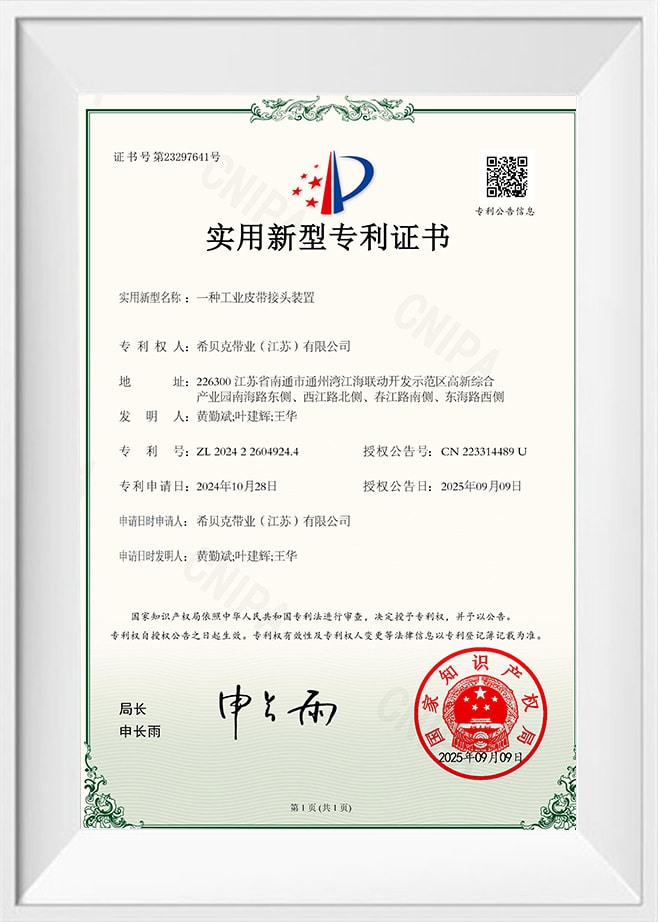
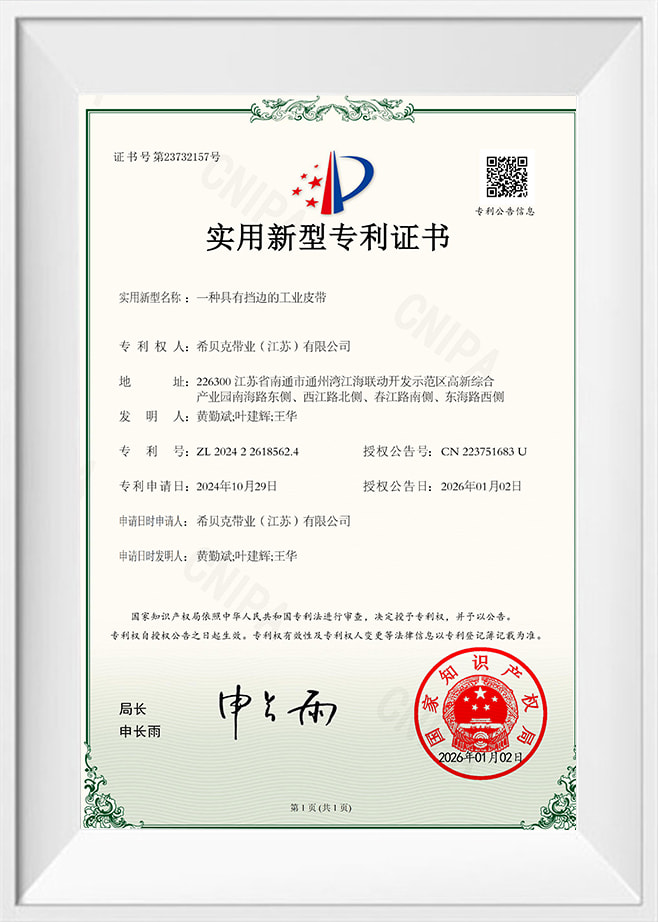
XINBEX Belting (Jiangsu) Co., Ltd
As a Rf18 Nbr Rubber Polyester Fabric Power Transmission Belt manufacturer, we match product configuration to the application, operating limits, interfaces and acceptance criteria defined for each project.
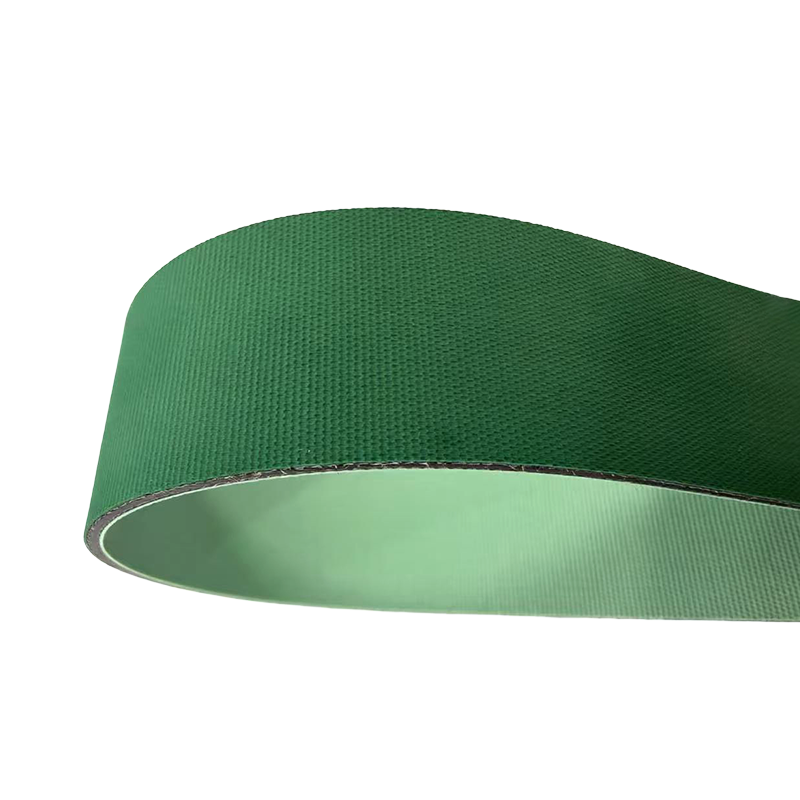
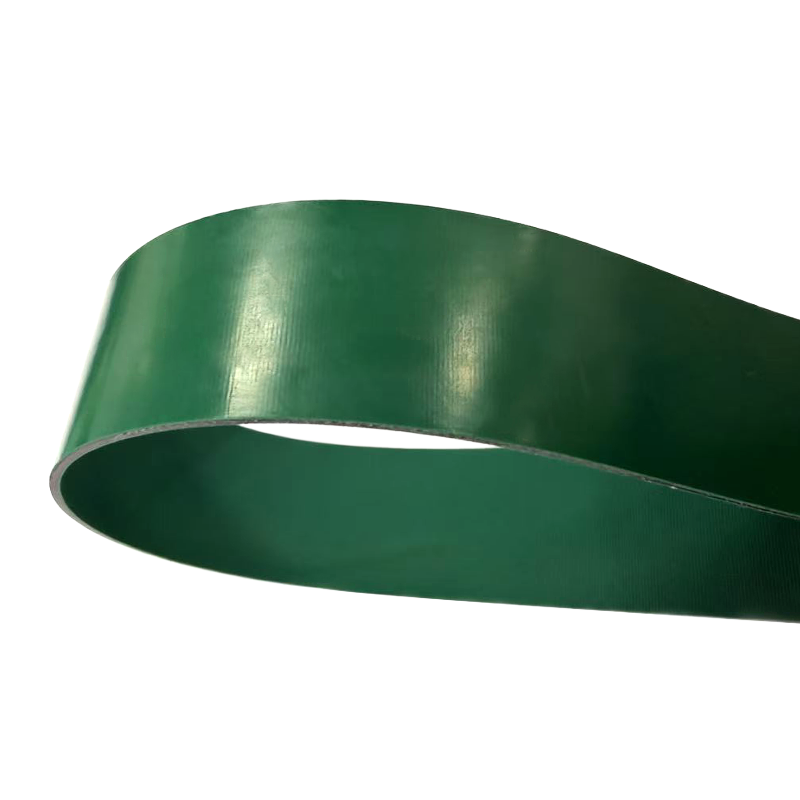
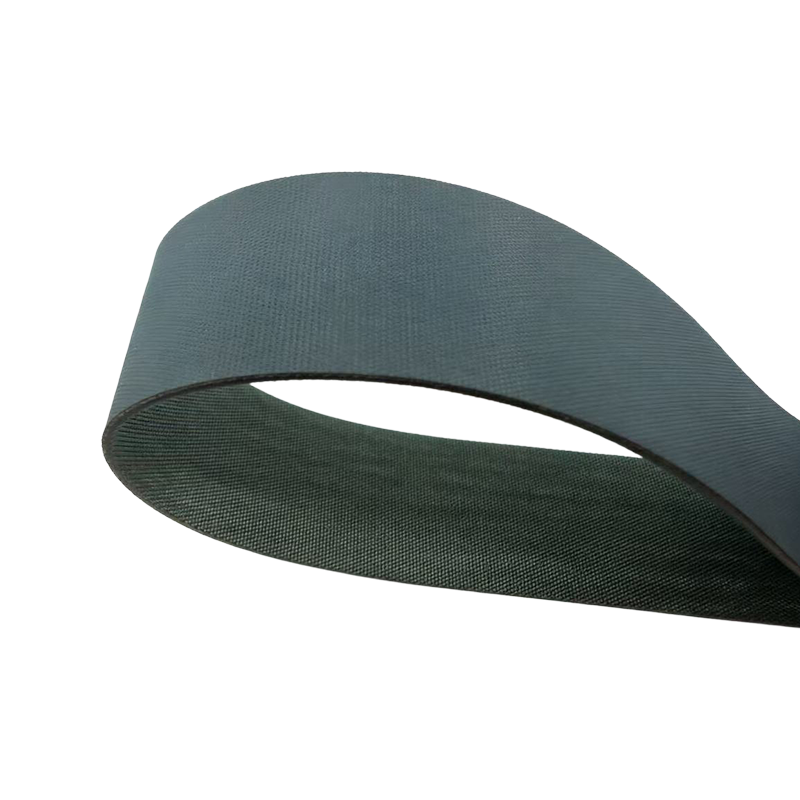
A flat drive belt built on a high-modulus polyester tension core and an abrasion-modified NBR cover. We manufacture the RF-18 in Xiamen and Nantong for can-making, metal processing, packaging and other lines where oil, coolant and continuous friction shorten ordinary belt life. As a China RF-18 NBR Rubber Polyester Fabric Power Transmission Belt manufacturer, we supply cut-to-width rolls and endless spliced belts against the working point of your drive.
The RF-18 pairs an NBR rubber working surface with a polyester fabric core. NBR is chosen for its inherent resistance to oils, greases and many processing coolants; the modified compound raises abrasion resistance further so the cover holds its profile under intense friction. The polyester core carries tension with high dimensional stability, keeping elongation low across continuous running and sudden load peaks.
Precision vulcanization gives the belt uniform thickness and low vibration. The high-friction rubber face grips the pulley without the slip that erodes energy transfer, while the fabric side runs cleanly against tensioners and idlers.
Oil & Coolant
Resists swelling, softening and embrittlement in lubricated or drawing-oil environments.
Low Elongation
Polyester core limits stretch and slack under continuous load and impact.
Abrasion Cover
Modified NBR surface extends service life on high-friction processing lines.
Heat & Aging
Retains rubber elasticity and fabric rigidity through continuous heat and temperature swings.
Each RF-18 order is defined by the drive geometry and the environment, not by a single stock size. The values below are the parameters our technical team confirms before release; final figures are stated on the approved drawing for the order.
Tension member
High-modulus polyester fabric, low elongation
Working surface
Modified NBR rubber, abrasion and oil resistant
Thickness
Quoted per order; uniform after vulcanization
Width
Cut to pulley width, slit from master roll
Length / joint
Open roll or endless hot-vulcanized splice
Temperature range
Confirmed against your ambient and pulley conditions
Tolerance
Thickness and width tolerances recorded on inspection sheet
Marking
Model and reference printed on the belt edge
The RF-18 sits in our flat transmission belt family alongside rubber-based and antistatic constructions. The bars indicate relative positioning for the qualities that most often decide the choice; they are not absolute test values.
Oil resistance
Abrasion resistance
Dimensional stability
Heat & aging resistance
Static dissipation
For drives where static build-up is the governing risk, our SF20 antistatic wear-resistant rubber-based power transmission belt is the more direct match.
RF-18 belts leave our lines either as open-ended rolls for on-site splicing or as endless belts vulcanized to the required inside circumference. Width is slit to the pulley face, and the cover orientation is set so the NBR working face contacts the drive pulley. Where the layout needs a smooth fabric back against a tensioner, we state that in the drawing.
Our wider flat conveyor belt range covers transport duties on the same lines where the RF-18 drives the machinery.
Production follows material preparation, belt forming by calendering or lamination, vulcanization, surface processing, fabrication and splicing, then final inspection. Our laboratory carries out tensile strength, abrasion resistance, hardness and high/low temperature testing, along with special property checks for chemical resistance. ISO 9001 certification underpins the quality management system.
A quotation for the RF-18 is prepared from the drive data and the operating environment. The list below is what our engineers need to fix the belt construction, dimensions and joint method.
The cover is a modified NBR compound selected for abrasion and oil resistance, and the tension member is high-modulus polyester fabric. Together they hold tension with low elongation while resisting the lubricants and coolants that degrade ordinary rubber belts.
Yes. We supply open rolls for field jointing and endless belts joined by hot vulcanization to the inside circumference you specify. The joint method and finished length are recorded on the order drawing.
The RF-18 is documented for can-making and other high-friction processing lines. Its oil and abrasion resistance also suits metal processing, packaging and general industrial drives. Our belts serve food processing, logistics, automotive, building materials, textile and new energy sectors.
Each batch passes through in-process checks and final inspection. Our laboratory tests tensile strength, abrasion resistance, hardness and temperature performance, with special tests for chemical resistance where the application calls for it.
Production runs at our Xiamen and Nantong bases, which together support both large-volume orders and custom runs. Annual output across the company is 2.5 million m².
Our services include belt installation, splicing, maintenance and optimization support, aimed at keeping line uptime. Spare belt supply is quoted alongside the original order when requested.

+86-513-8633-0688
xinbex-js@xinbex.com
No. 152 Nanhai Road, Sanyu Town, Tongzhou District, Nantong City, Jiangsu Province, P.R.China
Copyright © XINBEX Belting (Jiangsu) Co., Ltd. Rights Reserved. Wholesale RF-18 NBR Rubber/Polyester Fabric Power Transmission Belt Supplier