XINBEX Belting (Jiangsu) Co., Ltd.
Flat Transmission Belt Provider

Home / Products / Flat Transmission Belt

Flat Transmission Belt Manufacturer

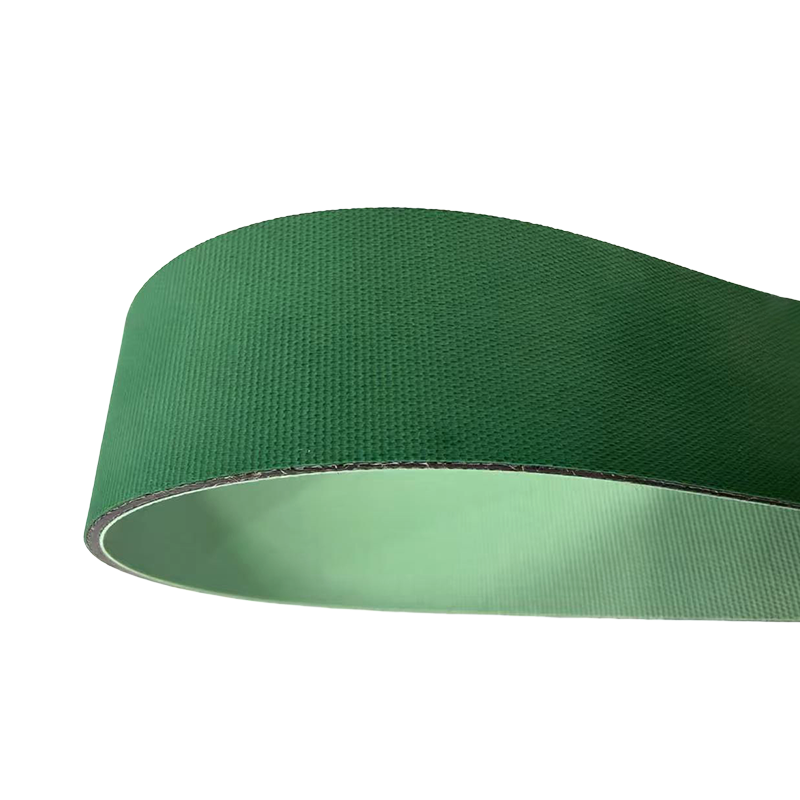
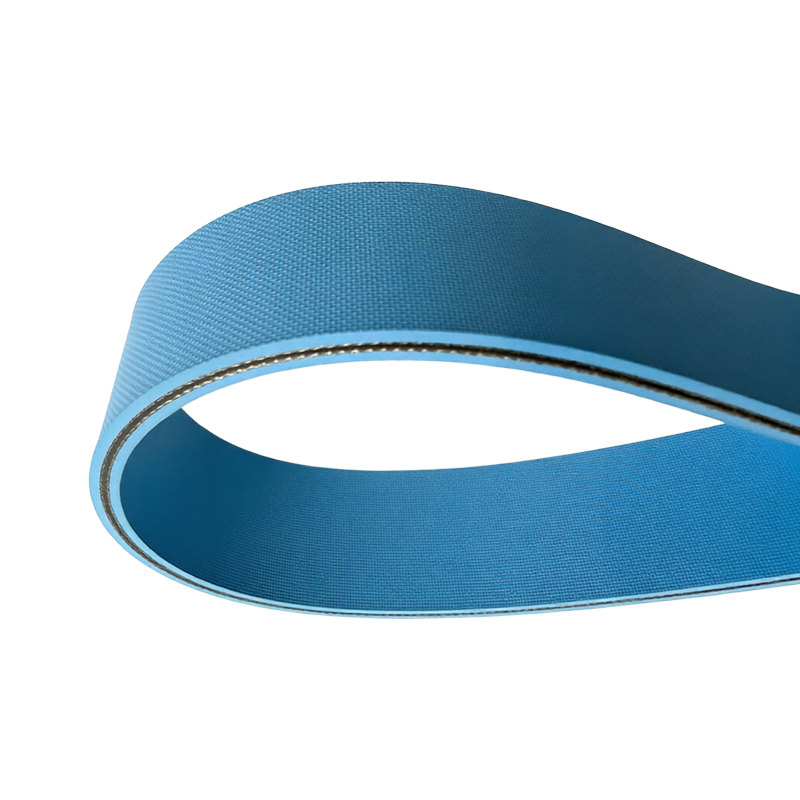
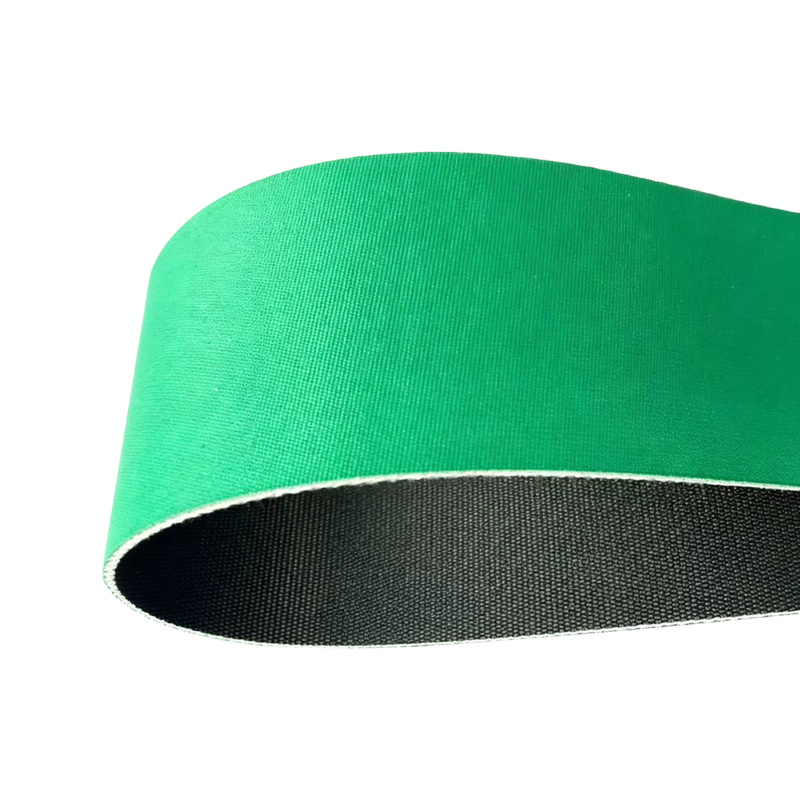
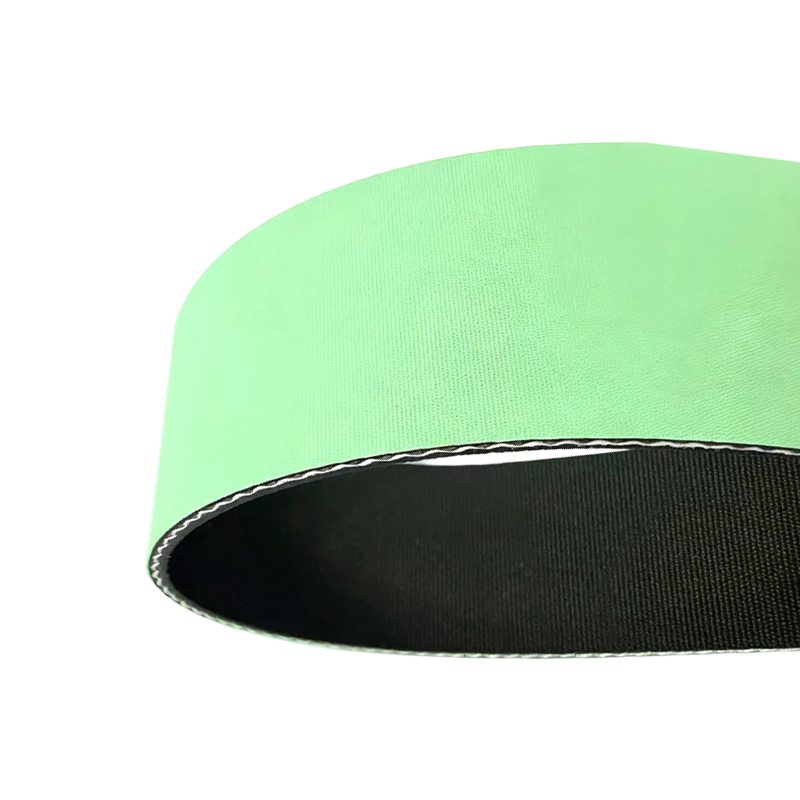
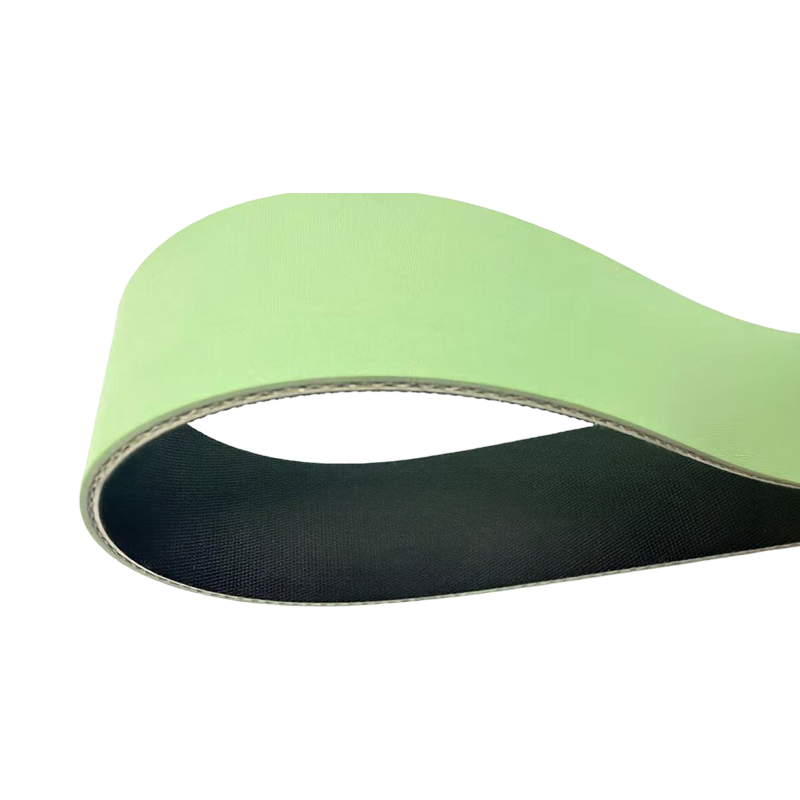
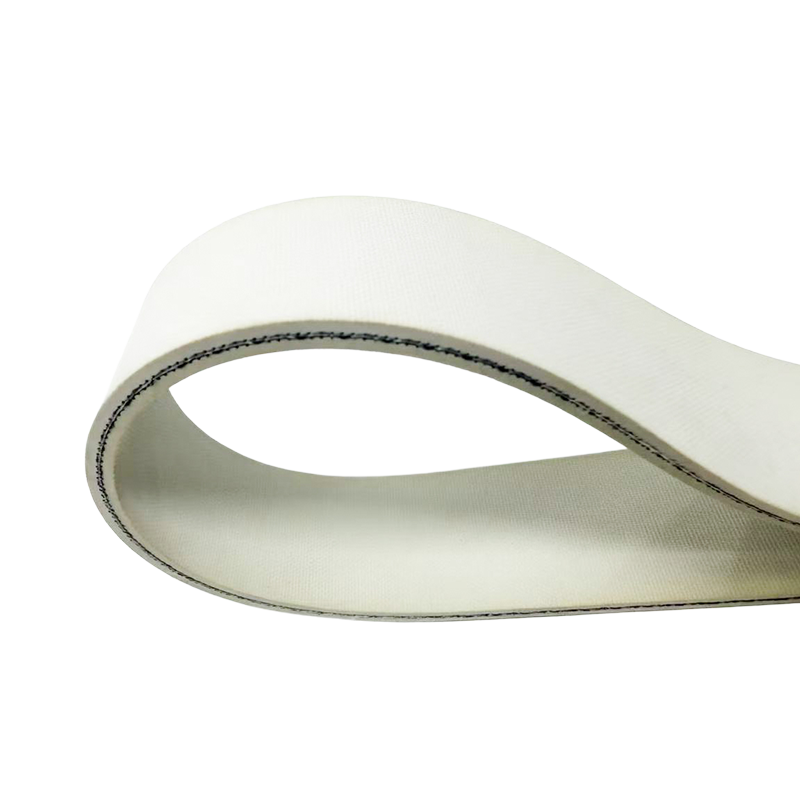
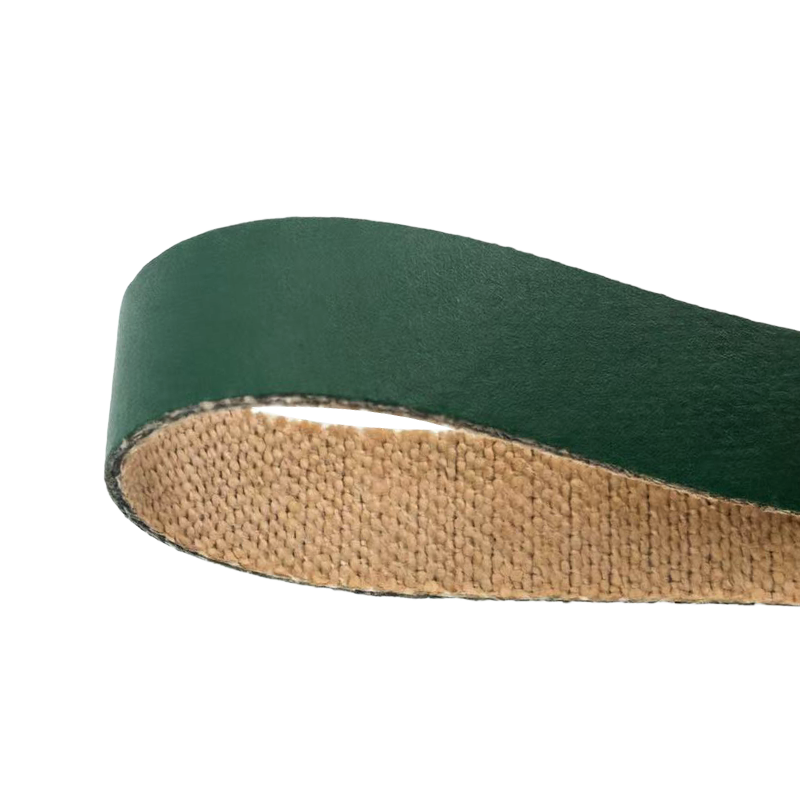
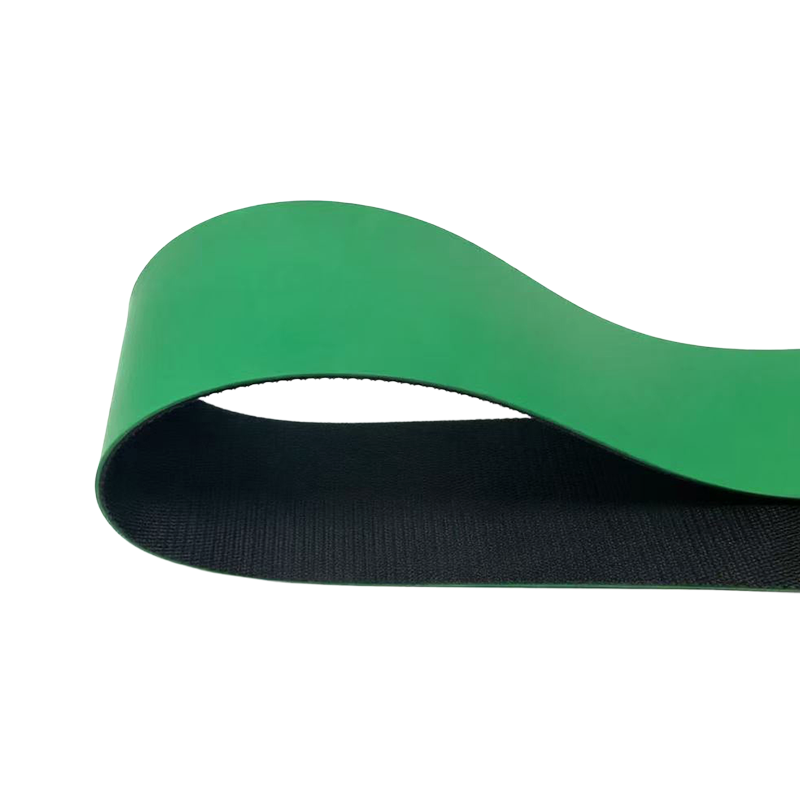
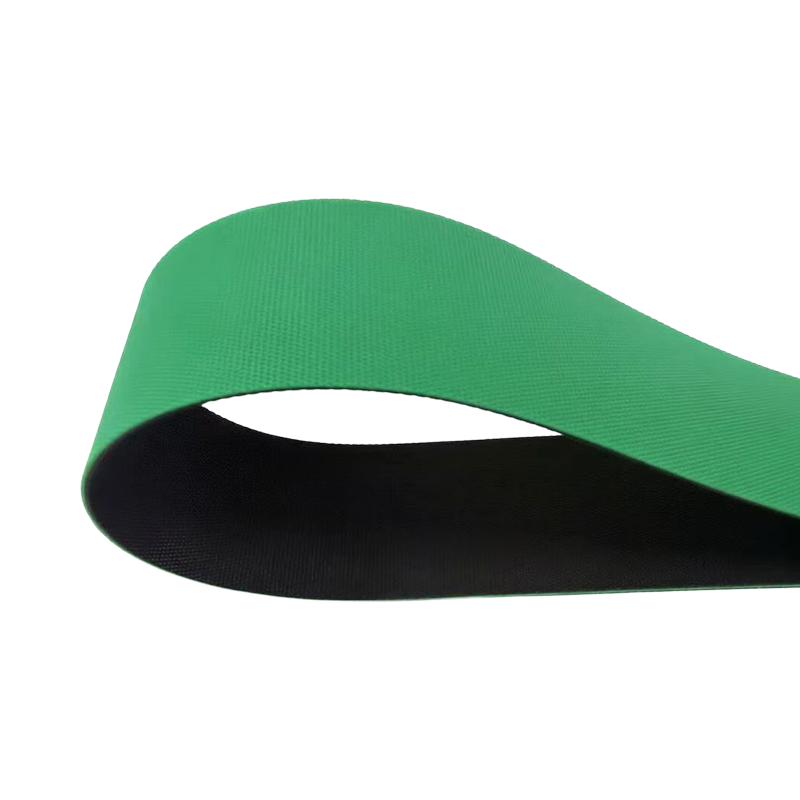
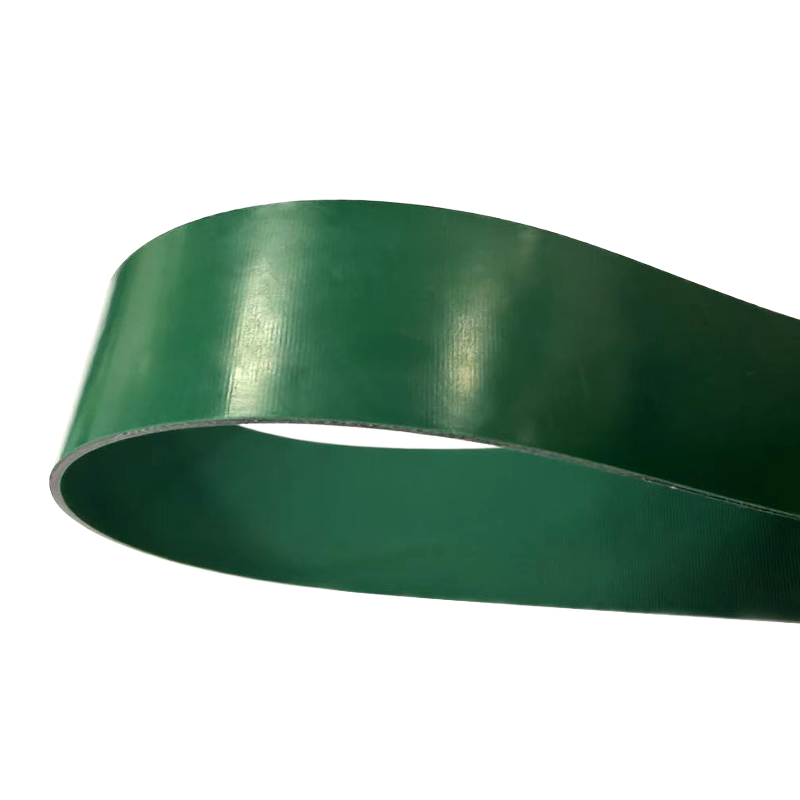
The flat transmission belt is a classic mechanical power transmission component characterized by a flat, rectangular cross-section. Serving as the link between the drive shaft and the driven pulley, it relies on friction between the belt body and the pulley's outer circumference to efficiently transmit torque and power. Thanks to attributes such as compact structure, smooth operation, and suitability for high rotational speeds, it plays a pivotal role in power transmission within modern industrial automated assembly lines and high-precision machinery.


Core Characteristics and Application Architecture:

Multi-layer Composite Material Construction: The belt typically features a composite design. Base and cover layers often utilize high-performance polyamide (PA/nylon core), advanced thermoplastic polyurethane (TPU), or modified nitrile rubber (NBR), with high-strength industrial fabric embedded internally as the tensile layer. This material combination ensures exceptional tensile strength and minimal permanent elongation while providing excellent wear and oil resistance.

High Stability and Vibration Damping: Its flat, uniform geometry effectively suppresses vibration and noise during high-speed operation (reaching tens of meters per second). Furthermore, the material's inherent elasticity provides a cushioning effect during sudden load changes or instantaneous impacts, protecting other rigid components of the transmission system from damage.

Lightweight Design and High Transmission Efficiency: Compared to traditional V-belts or chain drives, flat transmission belts exhibit minimal bending loss and lower overall mass. This lightweight design reduces the impact of centrifugal force on transmission efficiency, enabling machinery to maintain high energy conversion rates during prolonged operation.


Adaptability to Diverse Industrial Scenarios: Leveraging its advantages in tension control and speed synchronization, the flat belt is widely used in industries demanding high process precision. Examples include:

Textile Machinery: High-speed main drives for equipment such as ring spinning frames and rotor spinning machines.

Printing and Packaging: Enabling precise, stable transmission and handling in paper transport systems, folder-gluers, and high-speed printing lines.

General Machinery: Suitable for various power transmission systems involving high rotational speeds and large center distances.

About XINBEX
XINBEX Belting (Jiangsu) Co., Ltd.
As China Flat Transmission Belt Manufacturer and Flat Transmission Belt Supplier, XINBEX Founded in 1998, is a professional provider of industrial belt solutions integrating R&D, manufacturing and service. With production bases in Xiamen and Nantong, the company operates multiple advanced production lines and a nationwide sales and service network, ensuring stable supply and responsive support.

Our product range includes PVC, PU, rubber and silicone conveyor belts as well as transmission belts, widely used in food processing, logistics, automotive, building materials, textile and new energy industries. With years of technical expertise and manufacturing experience, we deliver reliable solutions tailored to diverse applications.
News
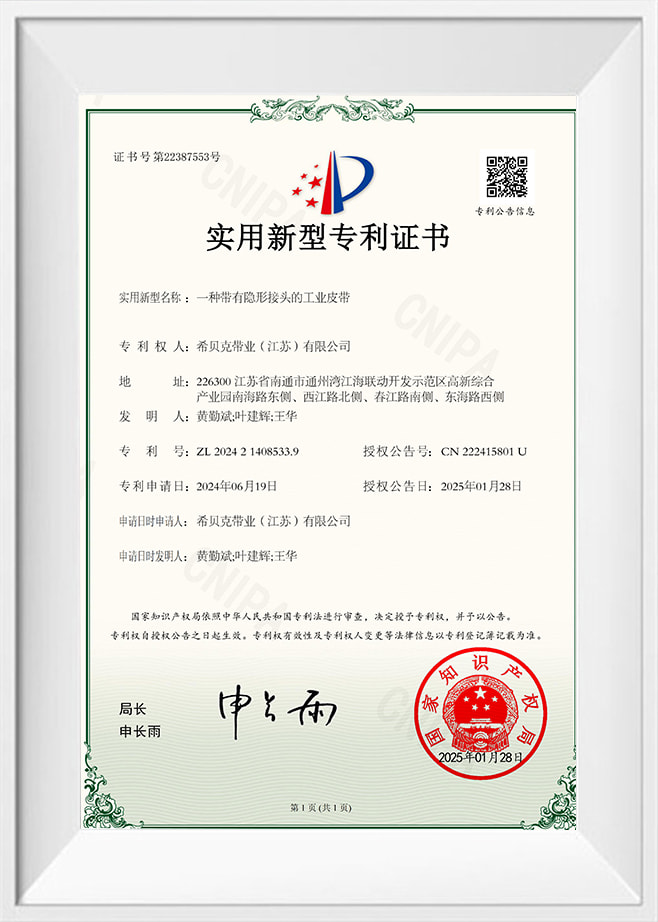
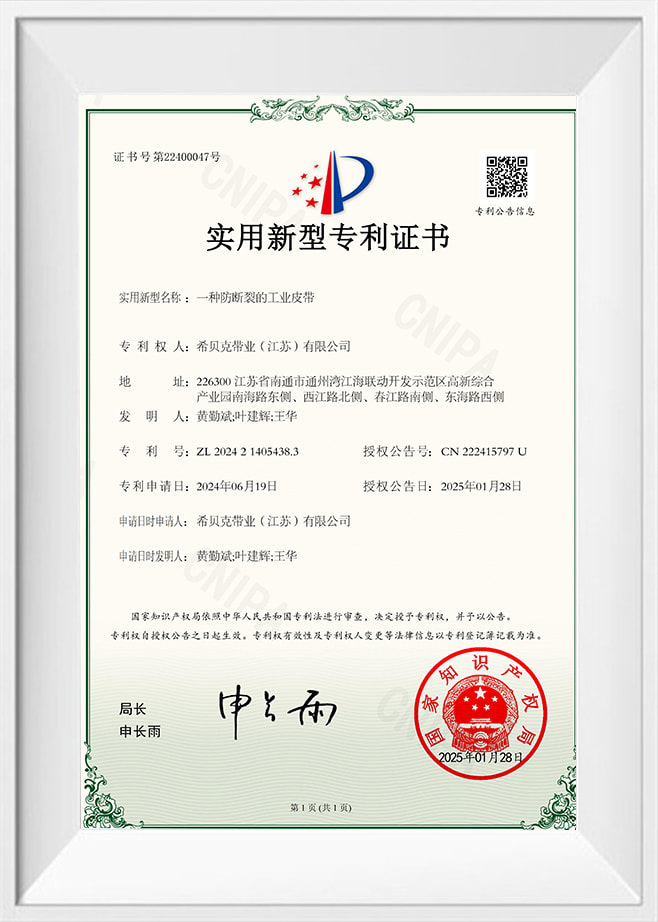
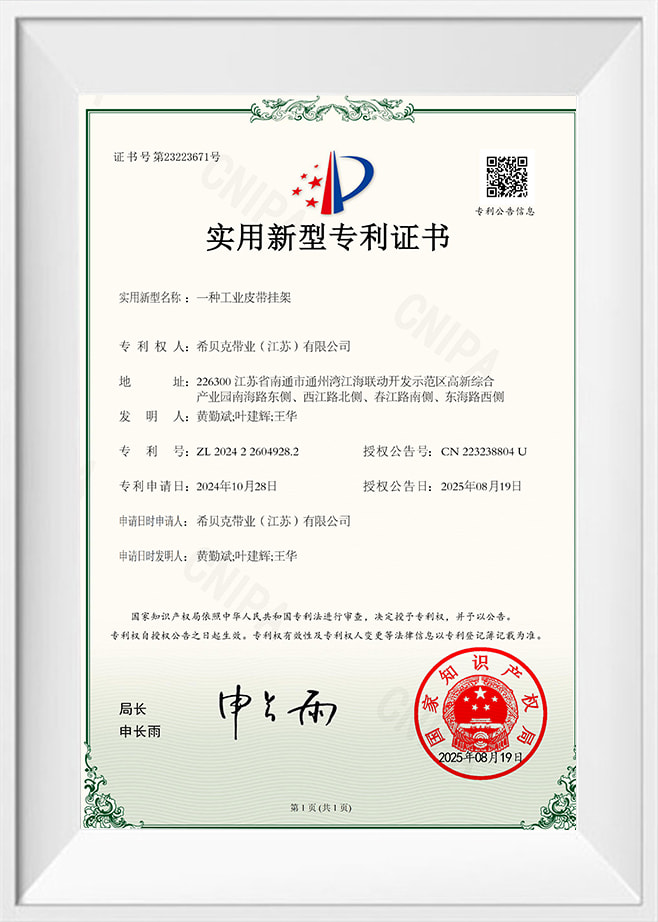
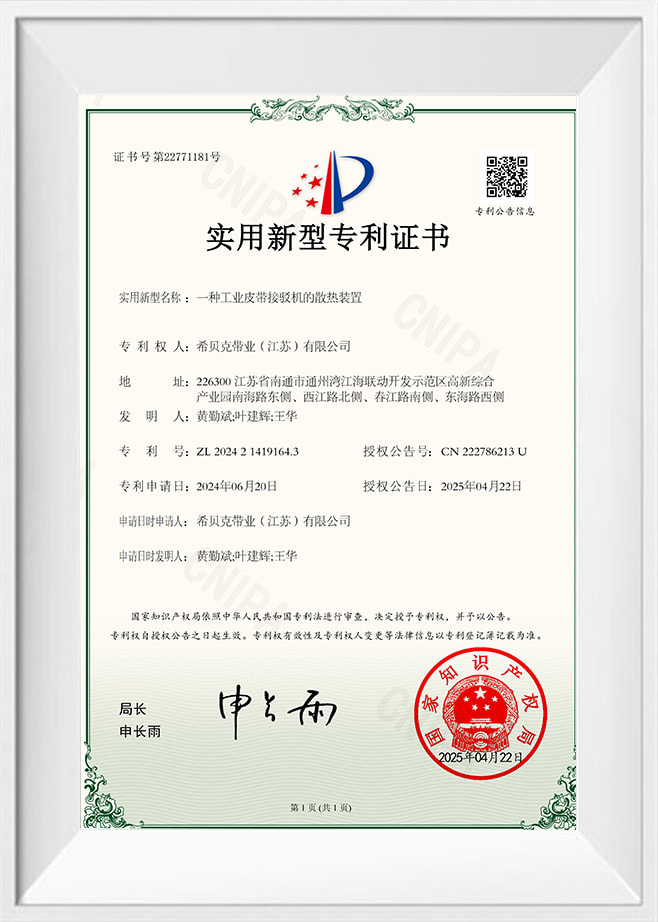
Certificate of Honor
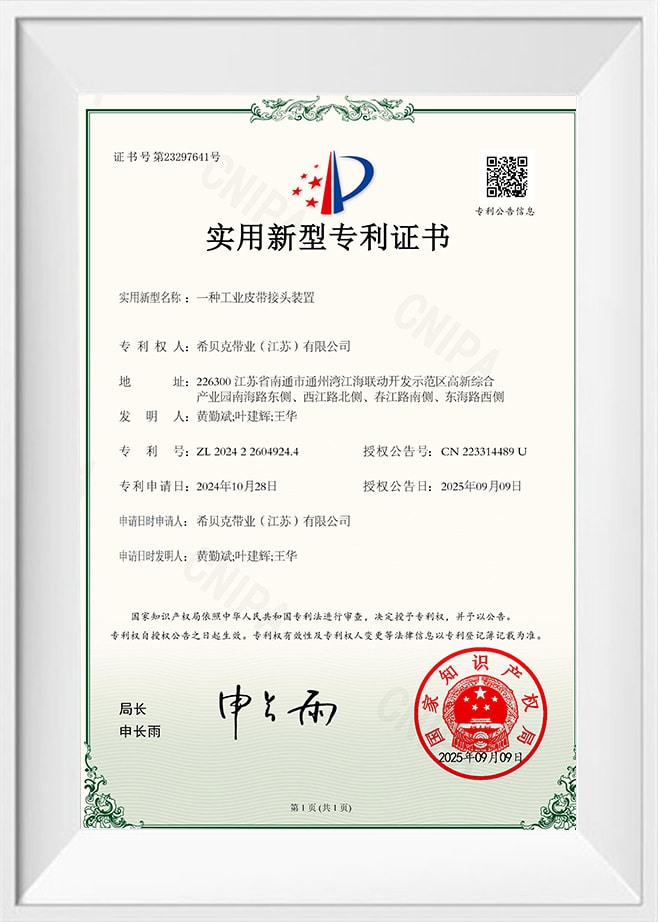
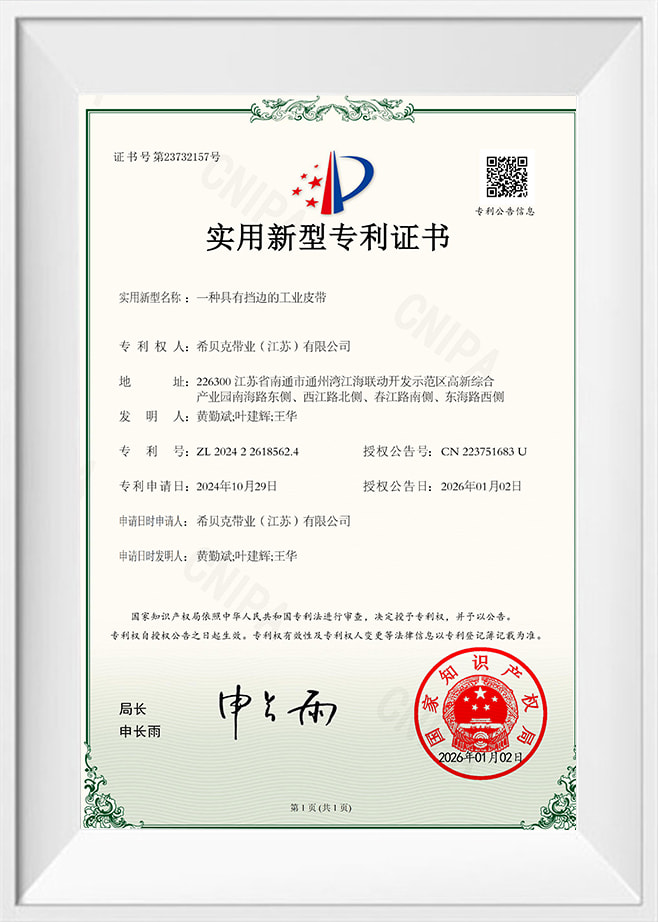
  • An industrial belt with a concealed joint
  • A type of breakage-resistant industrial belt
  • An industrial belt hanger
  • A heat dissipation device for an industrial belt conveyor
  • An industrial belt coupling device
  • An industrial belt with side guards
Industry Knowledge

Flat Transmission Belt Manufacturer for Precision Power Drive

XINBEX Belting (Jiangsu) Co., Ltd. manufactures flat transmission belts for machinery where a thin, uniform belt must carry torque at speed without the mass penalty of chain or V-belt drives. Our range covers nylon-core, aramid-reinforced, spindle tape and elastic belt constructions, supplied from production bases in Xiamen and Nantong since 1998.

As a China Flat Transmission Belt Manufacturer, we build each belt around the driven pulley diameter, belt speed, transmission ratio and ambient conditions of the line. The result is a drive component specified for the machine, not a catalogue cross-reference.

How a Flat Transmission Belt Transmits Power

A flat transmission belt runs on two flat-faced pulleys and transfers torque through friction between the belt face and the pulley crown. The rectangular cross-section keeps bending stress low, allowing small pulley diameters and belt speeds in the tens of metres per second on textile spindles, folder-gluers and high-speed printing lines. Our constructions pair a friction face in NBR rubber or impregnated fabric with a tensile core of polyamide sheet, aramid-reinforced composite or high-modulus fabric.

That layering separates two jobs that a single homogeneous belt cannot do well: the surface maintains a stable coefficient of friction under oil mist and fibre fly, while the core controls elongation so tension stays in range across a long production campaign.

Our Flat Transmission Belt Range

Four product families cover the drive duties we see most often across textile, packaging and general machinery. Each family is described below with its working profile; the specific model codes are listed on the respective product pages.

Nylon Transmission Belt

Our Nylon Transmission Belt Manufacturer range uses a polyamide strength layer beneath an NBR or impregnated-fabric face. It suits high-ratio drives, small pulley diameters and lines that need infrequent retensioning. Representative models include SF20 antistatic wear-resistant, XH-40 blue high-speed wear-resistant and HAM-6P green/black glossy high-speed belts.

Where it fits: folder-gluers, high-speed packaging drives, general high-speed power transmission with dust or trace oil present.

Aramid Transmission Belt

For heavier cyclic loads and long intervals between maintenance windows, our Aramid Transmission Belt Manufacturer line adds aramid reinforcement to reduce stretch under repeated tension and extend fatigue life. Models include TC-20 and TC-20/25 green-black antistatic polyester belts and the RR20E-40 grey polyester folder-gluer belt.

Where it fits: continuous heavy-load drives, antistatic-sensitive processes, folder-gluers and conveyorised folding lines.

Spindle Belt / Tape

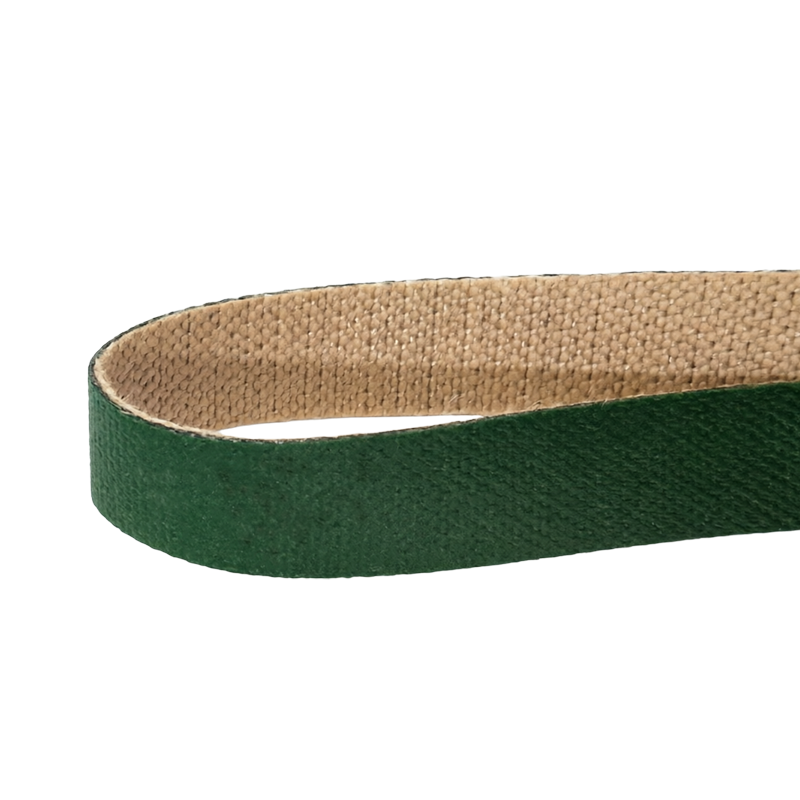
Spindle tapes drive individual spinning and twisting spindles from a main shaft. Uniform thickness and a controlled joint are what keep spindle bearings and workshop noise in check. The SS-1 cost-effective tape, SS-3 high-speed tape and SS-4 heavy-duty twisting tape cover ring spinning frames, texturing machines and high-ratio twisting.

Where it fits: cotton, linen and chemical-fibre spinning, precision printing drives and other high-speed light-duty transmissions.

Elastic Belts for Industry

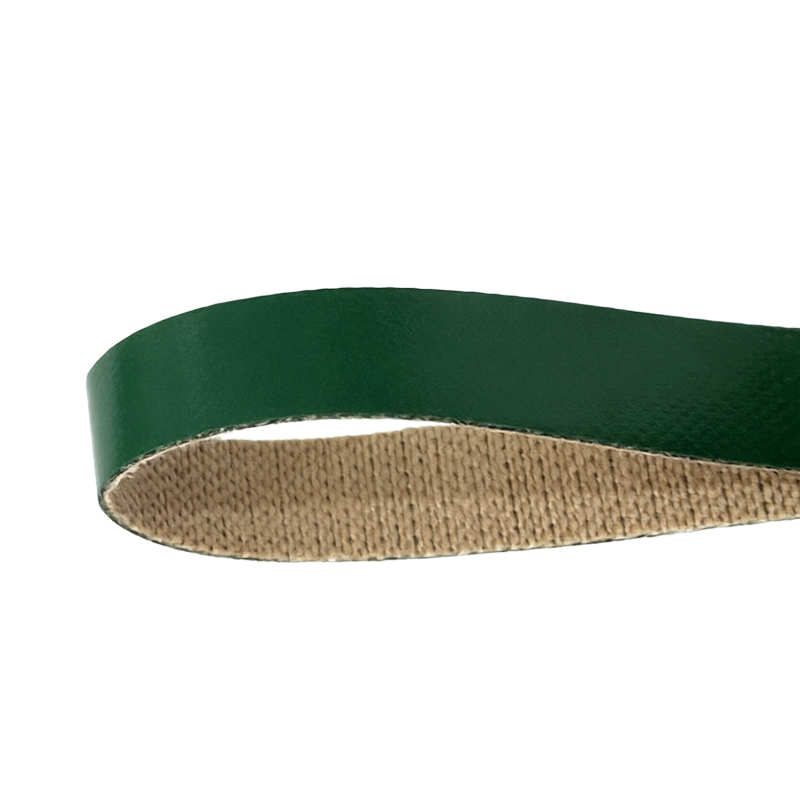
Elastic belts hold tension without an external take-up in compact drives where the pulley centres are fixed. The MAB-04/A/A double-sided glossy green-black and MAB-02 fabric-texture green-black belts are joined by the P-1 matte-finish highly wear-resistant belt.

Where it fits: small appliance and office-machine drives, light automation and compact transmission where space is restricted.

Pulley Geometry and Belt Speed at a Glance

Typical operating envelopes for the four families. These are starting points for sizing; final selection uses the machine data listed below.

Nylon core · max belt speed
Aramid core · max belt speed
Spindle tape · max belt speed
Elastic belt · max belt speed

Relative bars only — selected belt speed is agreed against the pulley diameter and drive duty in the proposal.

Drive Performance Comparison by Belt Family

The radar chart shows how the four families trade off against one another on the five criteria that matter most in drive selection. Higher values mean a stronger fit for that criterion.

Tensile Speed Wear life Energy Stability
  • Nylon transmission belt
  • Aramid transmission belt
  • Spindle belt / tape
  • Elastic belt

Specifying the Right Construction

Belt choice follows the drive, not the other way round. We match the face material, core type, thickness and joint method to the calculated duty. The table below records how each choice aligns with a working condition.

Construction choices and the working conditions they suit.
Construction choice Options in our range Fits when Watch for
Friction face NBR rubber; impregnated fabric Oil mist, dust, frequent starts Fabric face needs dry running
Core PA sheet; aramid-reinforced PU composite; high-modulus fabric Long campaigns, high ratio, small pulleys Aramid for the heaviest cyclic duty
Joint Endless; hot-vulcanised; micro-seam Spindle and high-speed drives need even thickness Joint direction affects noise
Surface finish Glossy; matte; fabric texture Grip versus slip control on driven pulleys Matte resists glazing in abrasive areas
Static control Antistatic constructions (SF20, TC-20, TC-20/25) Converting lines where static builds on fast-moving webs Grounding should be checked at installation

Manufacturing and Quality Control

Production follows a defined sequence: material preparation and mixing, multilayer belt forming by calendering or lamination, vulcanisation and curing, surface finishing, fabrication (cleats, guides, sidewalls, perforation, edge sealing) and splicing. Each batch passes final inspection before packing.

01
Material prep
02
Belt forming
03
Vulcanising
04
Splicing
05
Inspection
  • ●Tensile strength testing (load capacity)
  • ●Abrasion resistance testing (service life)
  • ●Hardness testing (operational stability)
  • ●High and low temperature performance testing
  • ●Special property testing (chemical resistance, FDA compliance)

System and industry qualifications cover quality management (ISO 9001), food contact safety and environmental performance; the full list is documented and supplied with the order package where relevant to your line.

Line Integration and Installation Scope

A flat transmission belt is only as good as the pulleys and tension it runs on. We seal edges, set joint direction and select thickness so the belt drops into the existing drive without pulley re-machining where the geometry allows. For spindle tapes, the joint is finished to keep thickness variation low so bearings see no periodic shock.

Pulley check
Crown and face condition, diameter, alignment
Tension setting
Calculated from core modulus and centre distance
Drive interface
Motor, gearbox and take-up matched to belt duty
On-site service
Installation, splicing, maintenance and optimisation

Information We Use to Configure Your Solution

We quote from machine data, not from part numbers alone. The inputs below drive the proposal for a flat transmission belt order.

  1. Drive layout: pulley diameters, centre distance, transmission ratio and required belt length.
  2. Duty: motor power, belt speed, start-stop frequency and shock loads.
  3. Environment: ambient temperature, oil mist, dust, humidity and static sensitivity.
  4. Joint preference: endless, hot-vulcanised or micro-seam, plus cleat or guide requirements.
  5. Acceptance: required test evidence, documentation and the market the belt must comply with.
  6. Volume and delivery plan: single replacement, OEM kit supply or scheduled bulk distribution.

These points feed the two production bases in Xiamen and Nantong, where automated and semi-automated lines handle both bulk orders and flexible custom runs. Broader material options for conveying duties sit under our Industrial Belt Solutions Suppliers range, including Flat Conveyor Belt Manufacturer lines for food, logistics and general material handling.

Frequently Asked Questions

What is the difference between a nylon and an aramid transmission belt?

Both use a reinforced core beneath an NBR or fabric friction face. The nylon belt uses a modified polyamide strength layer that delivers high efficiency and low bending loss for high-speed drives. The aramid belt adds aramid reinforcement in a PU/fabric composite for heavier cyclic loads, longer fatigue life and less stretch between maintenance intervals.

How do you determine the correct belt length and thickness?

Length comes from the pulley diameters and centre distance measured on the machine. Thickness and core type follow the transmitted power, belt speed and smallest pulley diameter — thinner belts bend more easily over small pulleys, while heavier duty points to a thicker reinforced construction.

Can you supply spindle tapes for ring spinning frames?

Yes. The SS-1, SS-3 and SS-4 spindle tapes cover cost-effective, high-speed and heavy-duty twisting duties respectively. We set the joint and surface finish to suit the spindle speed and the fibre being processed, whether cotton, linen or chemical fibre.

Do you offer antistatic flat transmission belts?

Yes. The SF20 antistatic wear-resistant rubber-based belt, and the TC-20 and TC-20/25 green-black antistatic polyester belts, are built for converting and printing lines where static builds up on fast-moving webs. Grounding of the drive should still be verified during installation.

What does a flat transmission belt order include?

Orders ship with the agreed belt specification